
 Jan 07, 2026


The demand for reliable and efficient power sources has never been higher. With the rise of portable electronic devices, electric vehicles, and renewable energy systems, batteries have become a cornerstone of modern technology. Among the variety of battery types available, lithium-ion batteries stand out for their high energy density, long cycle life, and low self-discharge rate. In particular, the 16340 lithium-ion battery has gained popularity due to its compact size and powerful performance. This article will delve into the world of 16340 lithium-ion battery manufacturers, exploring their significance, production processes, and the benefits they offer.
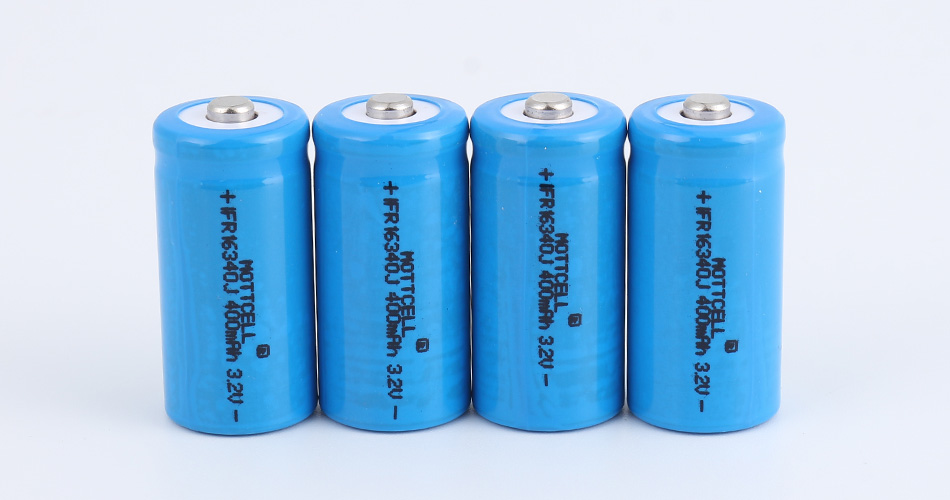
Before diving into the manufacturing process, it's essential to understand what a 16340 lithium-ion battery is. The "16340" designation refers to the battery's dimensions: 16mm in diameter and 34mm in length. These batteries are cylindrical and resemble AA batteries, although they are slightly shorter and wider. They are often used in high-drain devices such as flashlights, cameras, and other portable electronics that require a robust power source.
16340 lithium-ion batteries offer several advantages over other types of batteries:
High Energy Density: They pack a lot of power into a small package, making them ideal for compact devices.
Long Cycle Life: These batteries can be recharged hundreds of times without significant degradation, providing excellent value over time.
Low Self-Discharge: They retain their charge well when not in use, ensuring that devices are ready to go even after long periods of inactivity.
Stable Voltage: They maintain a consistent voltage output, which is crucial for devices that require steady power.
The production of 16340 lithium-ion batteries is a complex process that requires precision and expertise. Here's a step-by-step overview of how these batteries are manufactured:
The first step involves preparing the active materials used in the electrodes. The cathode typically consists of lithium cobalt oxide or lithium manganese oxide, while the anode is made from graphite. These materials are mixed with binders and solvents to create a slurry.
The slurry is then evenly coated onto metal foils—aluminum for the cathode and copper for the anode. Once coated, the foils are dried to remove solvents, leaving a solid layer of active material on the metal substrate.
After drying, the electrodes are cut into precise shapes and stacked alternately with a separator in between. This separator prevents direct contact between the anode and cathode, which could cause a short circuit.
The stacked electrodes are then rolled or folded and placed into a cylindrical metal case. This case is sealed to ensure that the cell remains airtight, preventing moisture and contaminants from entering.
An electrolyte solution is injected into the cell to facilitate the movement of lithium ions between the electrodes. The cell is then hermetically sealed to maintain its integrity.
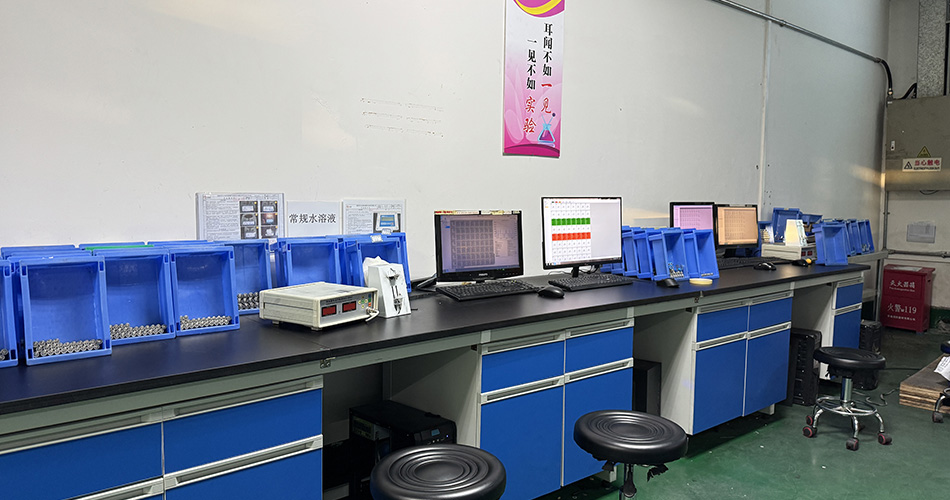
Once assembled, the battery undergoes a formation process, which involves charging and discharging cycles to stabilize the cell's performance. Each battery is rigorously tested for capacity, voltage, and safety before being approved for distribution.
When selecting a 16340 lithium-ion battery, choosing a reputable manufacturer is crucial. Here's why:
Quality Assurance: Reliable manufacturers adhere to strict quality control standards, ensuring that each battery meets performance and safety requirements.
Innovation: Leading manufacturers invest in research and development to improve battery performance, resulting in longer-lasting and more efficient products.
Compliance: Top-tier manufacturers comply with international safety and environmental standards, providing peace of mind for consumers and businesses.
Customer Support: Established manufacturers offer excellent customer service and support, assisting with product selection, usage, and troubleshooting.
The versatility of 16340 lithium-ion batteries makes them suitable for various applications:
Flashlights: Their high energy density and stable voltage make them ideal for high-performance flashlights used in outdoor and emergency situations.
Cameras: They provide the necessary power for digital cameras, ensuring longer shooting times without frequent battery changes.
Portable Electronics: Devices such as laser pointers and wireless headphones benefit from the compact size and reliability of these batteries.
Medical Devices: Some medical devices require dependable power sources that can be recharged quickly, making 16340 batteries a viable option.
The 16340 lithium-ion battery is a testament to the advancements in battery technology, offering a compact and powerful solution for modern electronic devices. By understanding the manufacturing process and the benefits of choosing a reputable manufacturer, consumers and businesses can make informed decisions when selecting batteries for their needs. As the demand for efficient and sustainable power sources continues to grow, 16340 lithium-ion batteries are poised to play a significant role in powering the future.
48V 300Ah HESS Supplier: Voltage, Runtime and OEM Guide
48V 100Ah HESS Supplier: 5.12kWh Solar OEM Buying Guide
12.8V 200Ah Battery Pack Factory: OEM Sourcing Guide
Commercial HESS Supplier: Factory Microgrid Sizing Guide
51.2V HESS Battery Supplier: 100Ah to 314Ah Capacity Guide
12V LiFePO4 Battery Pack Manufacturer: 50Ah-314Ah OEM Guide
16kWh HESS Supplier: 51.2V 314Ah Buyer’s Guide
5kWh HESS Supplier: Indoor Modular Battery Buying Guide
Established in 2005
In 2009, it was awarded the title of "National High tech Enterprise"
 zoe@mottcell.net
WhatsApp: 8617388790296
Fax: 86-0755-84042963
Skype: live:b0ebaecbb8782516
WeChat: +8613428749632

 VR show
 CN
CN Home >


