
 Jan 07, 2026


In the rapidly evolving world of technology, the demand for efficient and reliable power sources is at an all-time high. Among the various energy solutions available today, the 3.2V 16340 lithium ion battery stands out as a prominent choice for many manufacturers. This article delves into the world of lithium ion batteries, exploring what makes the 3.2V 16340 variant a preferred option and what to look for in a top-notch lithium ion battery manufacturer.
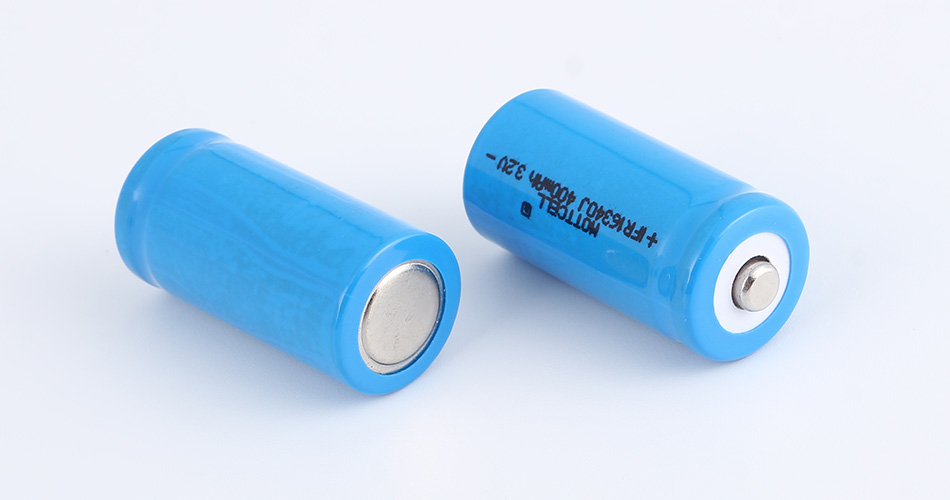
The 3.2V 16340 lithium ion battery is a rechargeable power cell known for its compact size and high energy density. The "16340" designation comes from its dimensions: 16mm in diameter and 34mm in height, making it a compact solution for a variety of electronic devices.
High Energy Density: These batteries can store a large amount of energy relative to their size, making them ideal for devices that require a lot of power but have limited space.
Long Cycle Life: With proper care, 3.2V 16340 batteries can be recharged hundreds of times, which makes them more cost-effective and environmentally friendly compared to single-use batteries.
Stable Voltage: Maintaining a stable voltage of 3.2V ensures consistent performance, which is crucial for sensitive electronics.
Due to their size and power capabilities, these batteries are commonly used in:
Flashlights: Their compact size and stable output make them perfect for high-performance flashlights.
Cameras: The high energy density allows for longer use between charges, which is essential for photography.
Medical Devices: Many portable medical tools rely on the dependable power of 3.2V 16340 batteries.
Consumer Electronics: From toys to small household gadgets, these batteries are a versatile power source.
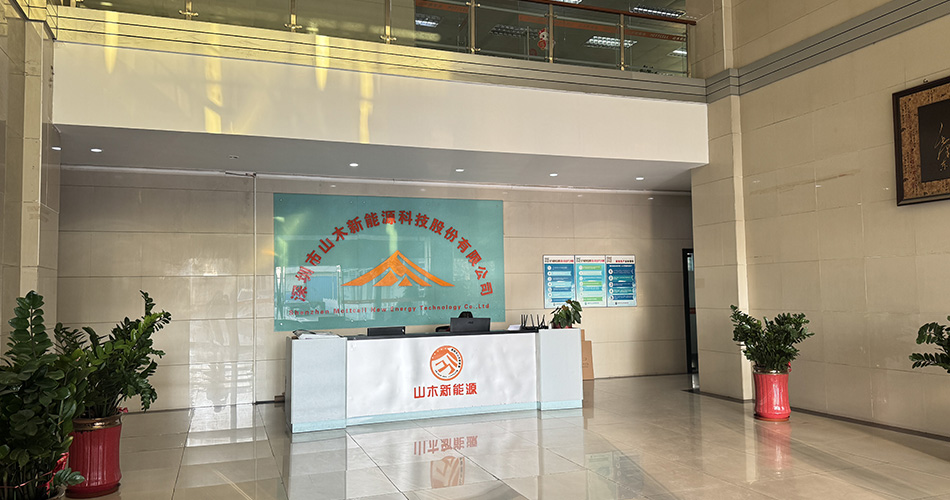
When selecting a manufacturer for 3.2V 16340 lithium ion batteries, several key factors should be considered to ensure quality and reliability.
A reputable lithium ion battery manufacturer should have extensive experience in producing high-quality cells. This expertise ensures that the batteries are not only efficient but also safe to use. Manufacturers with a proven track record in lithium ion technology are more likely to provide products that meet the necessary industry standards.
Quality assurance is critical in battery manufacturing. Look for manufacturers that adhere to international standards such as ISO 9001 for quality management systems. Certifications like UL (Underwriters Laboratories) and CE (Conformité Européene) mark are indicators of a manufacturer's commitment to quality and safety.
Innovation is key in the battery industry. Leading manufacturers invest in research and development to improve battery performance, lifespan, and safety. A manufacturer with a strong R&D department is likely to offer cutting-edge products that incorporate the latest advancements in lithium ion technology.
Every application has unique power requirements. A manufacturer that offers customization options can tailor battery specifications to meet specific needs. This flexibility is crucial for businesses looking to integrate batteries seamlessly into their products.
Reliable customer support can make a significant difference, especially when technical issues arise. Choose a manufacturer that provides excellent after-sales service, technical support, and quick response times to ensure a smooth experience.
The journey of a lithium ion battery begins with sourcing high-quality raw materials. These include lithium, cobalt, nickel, and other essential components. A reliable manufacturer ensures that these materials are sourced responsibly and meet stringent quality standards.
The electrodes, which are critical components of a battery, are manufactured by coating metal foils with active materials. This process requires precision to ensure uniformity and efficiency in energy storage.
During this stage, the electrodes are assembled into cells. This involves stacking or winding the electrodes, separators, and electrolyte into a compact structure. The process must be performed in a controlled environment to prevent contamination.
Once the cells are assembled, they undergo a formation process where they are charged and discharged to activate the electrochemical materials. Rigorous testing follows to ensure the batteries meet performance and safety standards.
Finally, the batteries are packaged and prepared for distribution. Proper packaging is crucial to protect the batteries from damage during transit, ensuring they reach customers in optimal condition.
In conclusion, the 3.2V 16340 lithium ion battery is a versatile and efficient power source for a wide range of applications. Choosing the right manufacturer is crucial to ensuring you receive high-quality, reliable batteries that meet your specific needs. By considering factors such as manufacturing expertise, quality assurance, and customer support, you can make an informed decision and find a manufacturer that aligns with your requirements.
Whether you're powering a flashlight, camera, or medical device, the right lithium ion battery can make all the difference in performance and reliability. As technology continues to advance, staying informed about the latest developments in battery manufacturing will help you leverage the best power solutions for your needs.
48V 300Ah HESS Supplier: Voltage, Runtime and OEM Guide
48V 100Ah HESS Supplier: 5.12kWh Solar OEM Buying Guide
12.8V 200Ah Battery Pack Factory: OEM Sourcing Guide
Commercial HESS Supplier: Factory Microgrid Sizing Guide
51.2V HESS Battery Supplier: 100Ah to 314Ah Capacity Guide
12V LiFePO4 Battery Pack Manufacturer: 50Ah-314Ah OEM Guide
16kWh HESS Supplier: 51.2V 314Ah Buyer’s Guide
5kWh HESS Supplier: Indoor Modular Battery Buying Guide
Established in 2005
In 2009, it was awarded the title of "National High tech Enterprise"
 zoe@mottcell.net
WhatsApp: 8617388790296
Fax: 86-0755-84042963
Skype: live:b0ebaecbb8782516
WeChat: +8613428749632

 VR show
 CN
CN Home >


