
 Jan 07, 2026


In today's fast-paced world, the demand for efficient and portable energy sources is higher than ever. Lithium-ion batteries, particularly the 16340 type, have become a popular choice due to their compact size and high energy density. This article will delve into the intricacies of a 16340 lithium-ion battery factory, exploring the production process, the unique features of these batteries, and their applications.
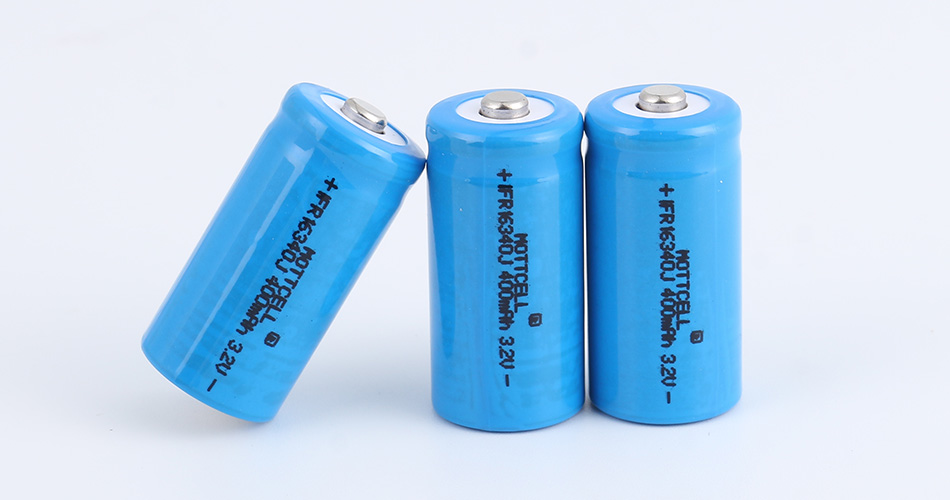
Before we dive into the factory process, it's essential to understand what a 16340 lithium-ion battery is. These batteries are cylindrical cells, slightly larger than a standard AA battery, with a diameter of 16mm and a length of 34mm. They are known for their high voltage, long cycle life, and the ability to recharge multiple times, making them ideal for a range of electronic devices.
Creating a 16340 lithium-ion battery is a meticulous process that involves several critical stages. Let's break down the battery production process step by step.
The first step in the production of lithium-ion cells is sourcing and preparing the raw materials. The primary components include lithium cobalt oxide for the cathode, graphite for the anode, and a liquid electrolyte that facilitates ion movement. These materials must be of high purity to ensure the battery's efficiency and safety.
Once the raw materials are ready, the next stage is electrode manufacturing. This involves mixing the active materials with binders and solvents to create a slurry. The slurry is then coated onto a metal foil, typically aluminum for the cathode and copper for the anode, and dried to form a thin, uniform layer.
The cell assembly process is where the magic happens. The coated foils are cut into appropriate sizes and wound or stacked to form the cell's core. A separator, which prevents short-circuiting, is placed between the anode and cathode. This assembly is then inserted into a cylindrical casing, and the electrolyte is added.
After assembly, the cell is sealed tightly to prevent leakage. The formation process follows, where the battery is charged and discharged several times. This step is crucial as it helps to stabilize the battery's chemistry and maximize its lifespan.
Before the batteries are ready for market, they undergo rigorous testing and quality control measures. This ensures that each cell meets the required standards for capacity, voltage, and safety. Any defective units are discarded or recycled to maintain product integrity.
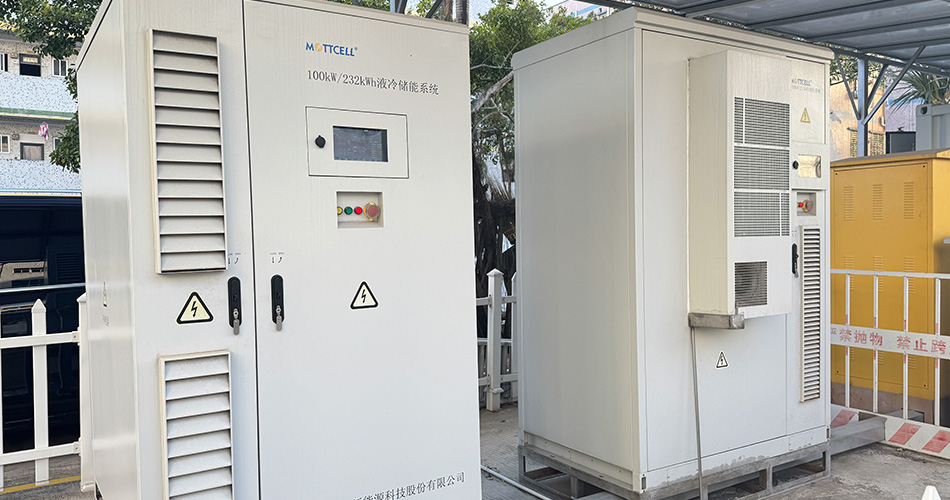
Operating a lithium-ion battery factory involves more than just the production process. It requires a well-coordinated effort across various departments, from research and development to logistics. Here's a glimpse inside a typical 16340 lithium-ion battery factory.
The R&D department is the backbone of innovation in a battery factory. Researchers are constantly working to improve battery performance, increase energy density, and enhance safety features. This continuous innovation is crucial in keeping up with the growing demands of the market.
Modern battery factories rely heavily on automation and high-tech machinery to maintain efficiency and consistency. Automated systems handle everything from material mixing to cell assembly, reducing the risk of human error and increasing production speed.
Sustainability is a significant concern in battery production. Factories must adhere to strict environmental regulations to minimize their impact. This includes proper waste management, recycling programs, and energy-efficient operations to reduce their carbon footprint.
Despite the high level of automation, skilled workers are essential in a battery factory. Employees undergo rigorous training to handle machinery, conduct quality control tests, and manage logistics. Their expertise ensures the smooth operation of the factory and the production of high-quality batteries.
16340 lithium-ion batteries are used in a variety of applications due to their versatility and efficiency. Here are some common uses:
Flashlights: Their compact size and high energy capacity make them perfect for high-performance flashlights.
Cameras: Many digital cameras utilize these batteries for their long-lasting power.
Medical Devices: In the medical field, they are used in portable devices where reliability is crucial.
Consumer Electronics: From portable speakers to smart gadgets, these batteries power a wide range of consumer electronics.
The future of lithium-ion battery production is promising, with advancements aimed at increasing capacity, reducing costs, and improving safety. Researchers are exploring alternative materials, such as silicon anodes, to enhance performance. Additionally, the push towards electric vehicles and renewable energy storage solutions continues to drive innovation in the field.
In conclusion, the 16340 lithium-ion battery factory is a complex ecosystem that combines cutting-edge technology, skilled labor, and rigorous processes to produce efficient and reliable energy sources. As the demand for portable power grows, these factories will continue to play a crucial role in powering our future.
By understanding the production process and the applications of these batteries, businesses and consumers alike can make informed decisions about their energy needs, ensuring they choose the best options available for their specific requirements.
Related Articles
High-Capacity Lithium Ion Batteries: Reliable Power for Industrial Innovation
Lithium Ion Battery Solutions: High-Capacity Cells for Professional Projects
Lithium Polymer vs Lithium Ion: The Professional Industrial Guide | Mottcell
Lithium Ion Battery Manufacturer: High-Performance 18650 Solutions
LiFePO4 vs Lead Acid: The Ultimate Guide for Industrial Applications
Lithium Ion Battery Guide: Industrial OEMs & Global Sourcing | Mottcell
32650 Lithium Ion Battery Manufacturer for OEM Custom Cells and Packs
10440 Lithium Ion Battery Factory: Inside Look
22650 Lithium Ion Battery Manufacturer for Custom Cylindrical Cells and Packs
Top 18500 Lithium Ion Battery Manufacturer Guide
26700 Lithium Ion Battery Manufacturer for OEM Applications
32700 Lithium Ion Battery Manufacturer for OEM Applications
Reliable 4860 Lithium Ion Battery Manufacturer and OEM Factory
48V 300Ah HESS Supplier: Voltage, Runtime and OEM Guide
48V 100Ah HESS Supplier: 5.12kWh Solar OEM Buying Guide
12.8V 200Ah Battery Pack Factory: OEM Sourcing Guide
Commercial HESS Supplier: Factory Microgrid Sizing Guide
51.2V HESS Battery Supplier: 100Ah to 314Ah Capacity Guide
12V LiFePO4 Battery Pack Manufacturer: 50Ah-314Ah OEM Guide
16kWh HESS Supplier: 51.2V 314Ah Buyer’s Guide
5kWh HESS Supplier: Indoor Modular Battery Buying Guide
Established in 2005
In 2009, it was awarded the title of "National High tech Enterprise"
 zoe@mottcell.net
WhatsApp: 8617388790296
Fax: 86-0755-84042963
Skype: live:b0ebaecbb8782516
WeChat: +8613428749632

 VR show
 CN
CN Home >


