
 Jan 09, 2026


You found a rechargeable 16340 battery online, the exact same size as the disposable CR123A in your flashlight. It seems like a smart swap to save money, but that simple mistake could instantly destroy your device. Here’s the critical difference you must understand first.
So, what is a 16340 battery? The name isn't a secret code—it's just the battery's dimensions: 16mm wide by 34mm long. This is why it physically fits perfectly where a common CR123A goes, creating the potential for a dangerous mix-up when comparing the 16340 vs CR123A battery.
The most important initial distinction is simple: CR123A batteries are typically disposable. The 16340, often called an RCR123A (the 'R' stands for rechargeable), is built for a long RCR123A battery life cycle. But as we'll soon discover, being rechargeable is just the beginning of the story.
While size is what we see first, the most important detail on a battery is its voltage (V). Think of voltage as electrical "pressure." Your flashlight or security sensor is like a small sprinkler, designed to work perfectly with the gentle pressure from a garden hose. The wrong battery can be like hooking that same sprinkler up to a fire hydrant—the result is a busted device.
This is where people get into trouble when deciding if they can use a RCR123A instead of a CR123A. A standard disposable CR123A provides 3.0 volts. But its rechargeable look-alike, often called a 16340, frequently comes in a much higher-pressure 3.7-volt version. To sensitive electronics, that extra voltage is a destructive jolt that can instantly fry a circuit board, making it a critical part of any 16340 battery guide for flashlights.
This creates an unbreakable rule: the voltage on the battery must match the voltage your device requires. It’s not a suggestion. Using the wrong pressure can permanently break your gear. Before you buy any replacement, including a low voltage 16340 battery, always check your device’s manual or the label on its original battery.
The reason two batteries of the same size have different voltages comes down to the battery's internal recipe—its chemistry. Just as different fuels like gasoline and diesel provide different performance in an engine, different battery chemistries produce different electrical "pressures," making an understanding of 16340 battery chemistry essential for safety.
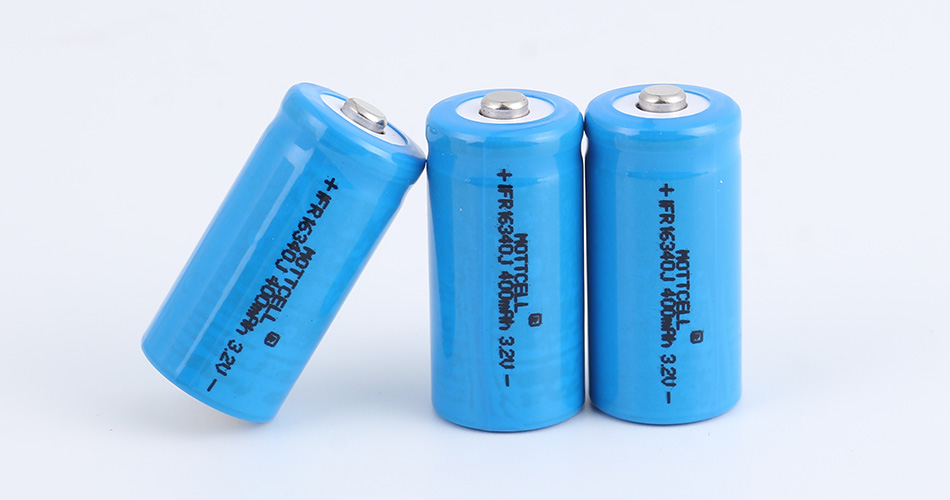
For devices designed for a disposable 3-volt CR123A, the hero is a specific chemistry called LiFePO4 (Lithium Iron Phosphate). These batteries naturally produce around 3.2 volts, which is close enough to be a safe, direct replacement in most 3V electronics. This stability is one of the key LiFePO4 RCR123A battery benefits, making it the best rechargeable CR123A alternative for your flashlights and sensors without risking damage.
In contrast, the more common 3.7-volt 16340 batteries use a different, more powerful chemistry called Li-ion (Lithium-ion). While great for high-drain devices specifically built for them, that extra voltage is the "fire hydrant" pressure that can destroy electronics expecting 3 volts. Always treat these two chemistries as different tools for different jobs.
Owning a rechargeable battery is only half the battle; knowing how to charge 16340 batteries safely is the other. Your standard AA/AAA charger is designed for a completely different type of battery and is dangerously incompatible. Attempting to use one on a lithium-based cell can ruin the battery, reduce its lifespan, or create a serious fire hazard.
The correct tool for the job is a modern "smart charger." These versatile devices are built to handle various battery chemistries, but they require you to make the right choice. After inserting your battery, you must manually select the correct charging program. When charging your 3.2V LiFePO4 battery, you need to find and select the specific "LiFePO4" or "3.2V" setting on the charger.
To avoid problems, stick to these three golden rules:
NEVER attempt to charge a disposable, non-rechargeable CR123A.
Use a quality smart charger that explicitly lists support for your battery’s chemistry (Li-ion or LiFePO4).
Always select the correct voltage/chemistry on the charger before you walk away. Getting this right is the key to preventing a 16340 battery not holding charge and ensuring a long, useful life.
These compact, powerful cells are designed for specialty gear, not your everyday TV remote. You’ll find them in devices that need either a big burst of power or must last for years without a battery change. Knowing what your device was built for is the key to choosing the right CR123A battery replacement options.
This quick guide covers common uses, but your device's manual is always the final authority:
High-Power Flashlights: Many are great candidates for a rechargeable 16340. This is the most common use in a 16340 battery guide for flashlights, but always check if your model needs 3.2V or 3.7V.
Home Security Sensors: Stick with disposable 3V CR123A batteries. These devices need to sip power reliably for years, a job most rechargeables can't do.
Laser Sights & Optics: These electronics are extremely sensitive. Don't guess—use the exact battery type the manufacturer specifies.
The pattern is clear: devices needing short, intense power (like flashlights) often work well with rechargeables. However, devices needing long-term, low-power reliability (like sensors) almost always require disposables to function as intended.
By understanding the critical differences in voltage and chemistry, you can confidently choose the correct power for your devices, protecting your gear and preventing costly mistakes.
To ensure you always get it right, use this simple 3-Step Safety Check:
Check Your Device: Find the required voltage (V) in the manual or on the device itself.
Match the Battery: Use a high-voltage 3.7V Li-ion cell only if the device explicitly asks for it. A 3.2V LiFePO4 is often the safer rechargeable CR123A alternative.
Get the Right Charger: Your charger must support your battery's specific chemistry (LiFePO4 or Li-ion).
When your rechargeable batteries no longer hold a charge, complete their journey responsibly through lithium battery disposal and recycling at a local electronics store or collection center.
48V 300Ah HESS Supplier: Voltage, Runtime and OEM Guide
48V 100Ah HESS Supplier: 5.12kWh Solar OEM Buying Guide
12.8V 200Ah Battery Pack Factory: OEM Sourcing Guide
Commercial HESS Supplier: Factory Microgrid Sizing Guide
51.2V HESS Battery Supplier: 100Ah to 314Ah Capacity Guide
12V LiFePO4 Battery Pack Manufacturer: 50Ah-314Ah OEM Guide
16kWh HESS Supplier: 51.2V 314Ah Buyer’s Guide
5kWh HESS Supplier: Indoor Modular Battery Buying Guide
Established in 2005
In 2009, it was awarded the title of "National High tech Enterprise"
 zoe@mottcell.net
WhatsApp: 8617388790296
Fax: 86-0755-84042963
Skype: live:b0ebaecbb8782516
WeChat: +8613428749632

 VR show
 CN
CN Home >


