
 Dec 12, 2025


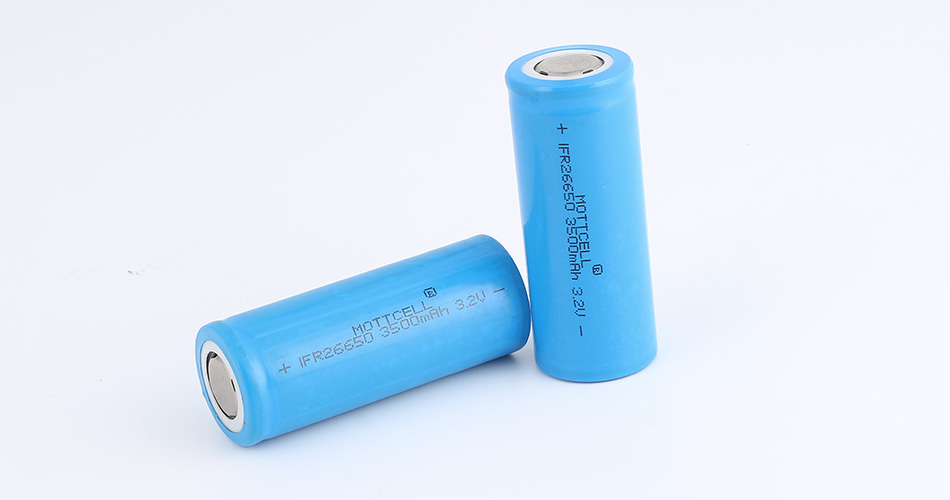
Before we dive into the manufacturing aspect, let's take a closer look at what makes 3.2V 26650 lithium-ion batteries unique. These cylindrical batteries are part of the lithium iron phosphate (LiFePO4) family, which is known for its safety, stability, and high performance. The "3.2V" denotes the nominal voltage of the battery, and "26650" indicates its size - 26mm in diameter and 65mm in length. This form factor is particularly advantageous for devices that require compact yet powerful energy sources, providing versatility across numerous sectors.
High Energy Density: 3.2V 26650 batteries offer a remarkable energy-to-weight ratio, providing more power in a compact form. This feature is crucial for portable and space-constrained applications, where maximizing energy while minimizing size and weight is essential.
Long Lifespan: These batteries can undergo numerous charge and discharge cycles, ensuring longevity and cost-effectiveness. They are engineered to maintain performance over time, which reduces the frequency of replacements and ultimately lowers operational costs.
Safety: Lithium iron phosphate chemistry is inherently safe, reducing the risk of overheating or explosion. This makes them an ideal choice for applications requiring stringent safety standards, such as medical devices and automotive applications.
3.2V 26650 lithium-ion batteries find applications in a wide range of devices and industries, including:
Electric Vehicles (EVs): Their high energy density and long life make them ideal for powering electric cars and bikes. They contribute to the development of more efficient and longer-range electric transportation solutions, which are critical in reducing fossil fuel dependence.
Renewable Energy Storage: These batteries are used in solar power systems to store energy for later use. They enable the efficient storage and utilization of renewable energy, making sustainable power sources more viable and reliable.
Portable Electronics: From flashlights to portable fans, these batteries power various gadgets. Their compact size and robust power output make them ideal for consumer electronics, where performance and portability are key selling points.
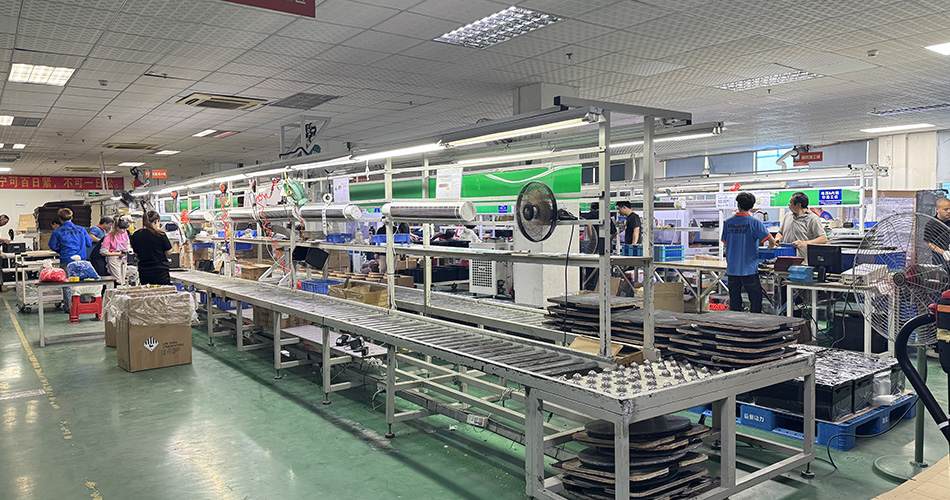
The manufacturing of 3.2V 26650 lithium-ion batteries involves a complex process that requires precision and expertise. Manufacturers play a crucial role in ensuring the quality and performance of these batteries. Let's explore how they achieve this.
Leading lithium battery factories invest heavily in advanced technology and equipment to produce high-quality cells. Automated production lines ensure consistency and precision in every battery manufactured. From electrode preparation to cell assembly and testing, each step is meticulously controlled to meet industry standards. Automation not only enhances production efficiency but also minimizes human error, ensuring each battery is built to exact specifications.
Quality control is paramount in battery manufacturing. Manufacturers implement rigorous testing procedures to ensure that each battery meets safety and performance standards. This includes capacity testing, cycle life testing, and safety testing to prevent any potential issues during usage. Comprehensive quality checks at various stages of production help identify defects early, ensuring only the best products reach the market.
To stay ahead in the competitive market, manufacturers engage in continuous research and development. This involves exploring new materials and technologies to enhance battery performance, increase energy density, and extend lifespan. Innovations in battery design and chemistry contribute to the overall advancement of lithium-ion cells. R&D efforts are essential for maintaining a competitive edge and meeting the evolving needs of consumers and industries.
Selecting a reliable 3.2V 26650 lithium-ion battery manufacturer is crucial for ensuring the quality and performance of your products. Here are some factors to consider when making your choice:
Look for manufacturers with a proven track record and extensive experience in producing lithium-ion cells. Established companies are more likely to have the expertise and resources needed to deliver high-quality products. A good reputation often reflects a commitment to excellence and customer satisfaction, which is vital for long-term partnerships.
Ensure that the manufacturer adheres to international standards and possesses relevant certifications such as ISO 9001 for quality management and ISO 14001 for environmental management. Compliance with safety standards like UN38.3 and IEC 62133 is also essential. These certifications not only demonstrate a commitment to quality and safety but also provide assurance that the products will perform reliably in various applications.
A reputable manufacturer should offer customization options to meet your specific requirements. Additionally, they should provide excellent customer support and after-sales service to address any concerns or issues that may arise. Flexibility in product offerings and responsive support can significantly impact the success of your applications and projects.
The future of 3.2V 26650 lithium-ion batteries looks promising, with ongoing advancements in technology and growing demand across various sectors. Here are some trends and developments to watch for:
Researchers are continually working on improving the energy density of lithium-ion batteries. Breakthroughs in material science and nanotechnology hold the potential to significantly enhance the capacity and performance of these batteries. These advancements could lead to lighter and more powerful batteries, further expanding their application range and efficiency.
As environmental concerns rise, manufacturers are focusing on sustainable practices in battery production. This includes reducing waste, recycling materials, and minimizing the carbon footprint of manufacturing processes. Efforts towards eco-friendly manufacturing not only benefit the environment but also align with consumer demand for sustainable products.
The integration of 3.2V 26650 lithium-ion batteries with the Internet of Things (IoT) and smart devices is on the horizon. These batteries will play a vital role in powering a wide range of connected devices, from smart homes to industrial automation systems. As the IoT ecosystem expands, the demand for reliable and compact energy sources will increase, positioning these batteries as a key component in the future of connected technology.
In conclusion, 3.2V 26650 lithium-ion batteries have become a cornerstone of modern energy storage solutions. Their high energy density, long lifespan, and safety make them a preferred choice for various applications. Manufacturers play a pivotal role in ensuring the quality and performance of these batteries, investing in advanced technology, quality control, and research and development.
As the demand for energy-efficient solutions continues to grow, the future of 3.2V 26650 lithium-ion batteries looks bright. By choosing the right manufacturer, you can harness the power of these batteries to drive innovation and success in your industry. The ongoing advancements and trends in battery technology promise a future where energy storage is more efficient, sustainable, and integrated into the fabric of everyday life.
48V 300Ah HESS Supplier: Voltage, Runtime and OEM Guide
48V 100Ah HESS Supplier: 5.12kWh Solar OEM Buying Guide
12.8V 200Ah Battery Pack Factory: OEM Sourcing Guide
Commercial HESS Supplier: Factory Microgrid Sizing Guide
51.2V HESS Battery Supplier: 100Ah to 314Ah Capacity Guide
12V LiFePO4 Battery Pack Manufacturer: 50Ah-314Ah OEM Guide
16kWh HESS Supplier: 51.2V 314Ah Buyer’s Guide
5kWh HESS Supplier: Indoor Modular Battery Buying Guide
Established in 2005
In 2009, it was awarded the title of "National High tech Enterprise"
 zoe@mottcell.net
WhatsApp: 8617388790296
Fax: 86-0755-84042963
Skype: live:b0ebaecbb8782516
WeChat: +8613428749632

 VR show
 CN
CN Home >


