
 Dec 12, 2025


The demand for high-capacity batteries is on the rise, and the 26650 lithium-ion battery is leading the charge. Known for its exceptional energy density and reliability, this type of battery is powering everything from flashlights to electric vehicles. As the world becomes more dependent on portable power, understanding the intricacies of producing these batteries becomes crucial. In this article, we explore the complexities of a 26650 lithium-ion battery factory, the production process, and why these batteries are essential.
The production of 26650 batteries not only involves sophisticated technology but also requires a robust understanding of material science and engineering. These batteries are designed to meet the growing demand for energy solutions that are both high-performing and sustainable. As industries such as electric vehicles and renewable energy storage expand, the need for efficient and reliable battery production becomes more pressing, highlighting the importance of these specialized factories.
The 26650 lithium-ion battery is a cylindrical cell with dimensions of approximately 26 mm in diameter and 65 mm in length. This format offers a higher capacity than the more common 18650 batteries, making it suitable for applications that require more power and longer runtime. The size and energy capacity of these batteries make them a preferred choice for devices that need sustained power without frequent recharging.
The design of the 26650 battery allows it to efficiently store and deliver energy, making it an ideal choice for high-drain devices. Unlike smaller batteries, the 26650 format can maintain its performance over a longer period, which is essential for applications that demand reliability. Furthermore, its ability to maintain a stable voltage ensures that devices operate smoothly, without the risk of sudden power drops or failures.
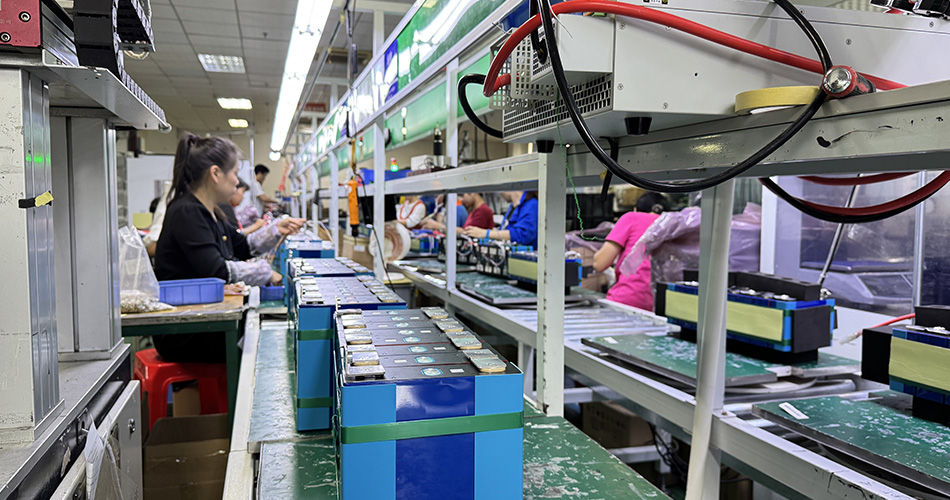
High Capacity: These batteries typically range from 3000 mAh to 5000 mAh, providing longer usage times. This high capacity is crucial for devices that require extended periods of operation without interruption.
Stable Voltage: They maintain a consistent voltage level, which is crucial for the proper functioning of devices. Consistent voltage delivery helps in maintaining the performance of devices, ensuring they function optimally.
Long Cycle Life: 26650 batteries can be recharged multiple times without significant capacity loss, making them cost-effective in the long run. This longevity reduces the need for frequent replacements, offering both environmental and economic benefits.
Producing a 26650 lithium-ion battery is a complex process that involves several stages. Each step is crucial to ensure the quality, safety, and performance of the final product. The manufacturing process is a blend of precision engineering and advanced technology, aiming to produce batteries that meet high standards of efficiency and safety.
From the selection of raw materials to the final testing phase, every aspect of production is monitored meticulously. This attention to detail is necessary to produce a product that is both reliable and safe for use in various applications. Moreover, with the increasing demand for higher capacity batteries, manufacturers are continually refining their processes to enhance performance and reduce production costs.
The process begins with the preparation of raw materials. Key components include the cathode, anode, separator, and electrolyte. These materials must meet strict quality standards to ensure the battery's performance and safety. The selection and preparation of these materials are critical, as they directly impact the battery's efficiency and lifespan.
Quality control at this stage is rigorous, as any impurities or inconsistencies can lead to defects in the final product. Manufacturers invest significantly in sourcing high-quality materials and employing advanced preparation techniques to ensure that each component is up to standard. This initial step lays the foundation for the subsequent stages of battery production.
The electrodes are the heart of the lithium-ion battery. The cathode and anode materials are coated onto metal foils, typically aluminum for the cathode and copper for the anode. This coating process requires precision to achieve the correct thickness and uniformity. The accuracy in this step is crucial as it directly affects the battery's charge and discharge capabilities.
Sophisticated machinery and techniques are employed to ensure that the coatings are applied uniformly and adhere properly to the foils. This stage is vital for determining the battery's overall capacity and efficiency. Additionally, any deviations in this process can affect the battery's performance, highlighting the need for stringent quality control measures.
Once the electrodes are prepared, they are wound or stacked together with a separator in between to form the battery cell. The cell is then filled with an electrolyte solution, which allows ions to move between the electrodes during charging and discharging. This assembly process is critical in determining the battery's structural integrity and performance.
The precision required in assembling the cells ensures that the battery can function safely and efficiently under various conditions. Advanced techniques and machinery are used to ensure that the components are aligned correctly and that the electrolyte is distributed evenly. This stage is instrumental in creating a battery that meets the demands of high-performance applications.
In the formation stage, the battery cells undergo an initial charge and discharge cycle. This process helps stabilize the cell and ensures it can hold a charge. After formation, each battery is tested for capacity, voltage, and safety to ensure it meets the required specifications. This testing phase is critical to ensuring that each battery performs reliably and safely.
The rigorous testing protocols employed during this stage are designed to identify any potential defects or performance issues. Through extensive testing, manufacturers can guarantee that the batteries meet industry standards and are safe for consumer use. This step is vital for maintaining the reputation of manufacturers and ensuring customer satisfaction.
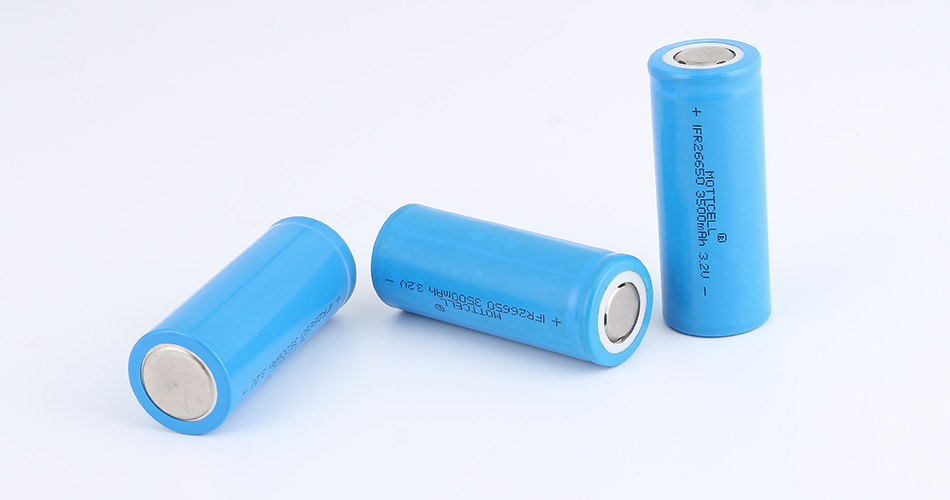
A 26650 lithium-ion battery factory is a hub of innovation and precision. These facilities are equipped with state-of-the-art machinery and employ skilled technicians to oversee the production process. Here's what makes these factories vital:
Battery factories play a crucial role in advancing technology by constantly pushing the boundaries of what batteries can achieve. They serve as centers for research and development, where new methods and materials are explored to enhance battery performance and sustainability. The expertise and innovation within these facilities are what enable industries to develop new products and technologies.
Factories use cutting-edge technology to improve efficiency and product quality. Automation plays a key role in minimizing human error and increasing production speed, while advanced testing equipment ensures each battery meets stringent safety standards. The integration of technology in the manufacturing process allows for the production of batteries that are both high-quality and cost-effective.
Automation in battery factories not only enhances production rates but also ensures that each battery produced meets precise specifications. This technological advancement helps in maintaining consistency across large production volumes, ensuring that every battery performs as expected. Furthermore, the use of advanced technology allows factories to adapt quickly to changes in market demand and technological advancements.
Quality control is paramount in battery manufacturing. Factories implement rigorous testing procedures at each stage of production to identify and rectify any defects. This commitment to quality ensures that consumers receive reliable and safe products. Maintaining high-quality standards is essential for building consumer trust and brand reputation.
The meticulous quality control processes employed in these factories involve multiple layers of inspection and testing. From the raw material stage to the final product, each aspect of production is scrutinized to ensure compliance with industry standards. This thorough approach not only guarantees the safety and reliability of the batteries but also enhances their performance and longevity.
Battery technology is constantly evolving, and factories invest in research and development to stay ahead of the curve. Innovations in materials and production techniques can lead to batteries with higher capacities, faster charging times, and improved safety features. This investment in innovation is crucial for maintaining competitiveness in the rapidly changing technology landscape.
Research and development efforts within battery factories are focused on discovering new materials and methods that can enhance battery performance. These efforts are essential for developing next-generation batteries that can meet the growing demands of various industries. By fostering a culture of innovation, battery factories contribute significantly to the advancement of technology and the development of sustainable energy solutions.
The versatility of 26650 batteries makes them suitable for a wide range of applications:
26650 batteries are not only known for their high capacity and reliability but also for their adaptability across various sectors. Their ability to provide consistent power makes them ideal for both everyday consumer electronics and more demanding industrial applications. As technology continues to evolve, the applications of these batteries are expected to expand further.
With their high capacity and long cycle life, 26650 batteries are ideal for high-performance flashlights and other portable electronic devices. They provide the power needed to operate these devices for extended periods. This makes them particularly useful in scenarios where reliability and longevity are paramount.
In the realm of portable electronics, 26650 batteries offer the advantage of reduced downtime due to their long-lasting power. Devices powered by these batteries can function longer without the need for frequent recharging, enhancing user convenience and satisfaction. Their robust performance makes them a preferred choice for manufacturers of high-end electronics.
Electric vehicles (EVs) require powerful and reliable batteries to ensure optimal performance. The 26650 format, with its high energy density, is a popular choice for EV manufacturers looking to balance power with size and weight. The compact size of these batteries allows for efficient energy storage, crucial for the range and performance of electric vehicles.
The use of 26650 batteries in EVs contributes to the development of more sustainable transportation solutions. Their high capacity and efficiency support the growing demand for electric vehicles, which are essential for reducing carbon emissions and dependence on fossil fuels. As EV technology advances, the role of these batteries will become even more significant in shaping the future of transportation.
As the world moves towards renewable energy, efficient storage solutions are essential. 26650 batteries are used in solar energy systems to store energy for use when the sun isn't shining, helping to create a more sustainable energy grid. Their ability to store large amounts of energy efficiently makes them a key component in the transition to renewable energy sources.
The integration of 26650 batteries in renewable energy systems supports the development of more resilient and reliable energy grids. By providing a stable and efficient storage solution, these batteries enable the wider adoption of solar and wind energy, contributing to a reduction in greenhouse gas emissions. Their role in renewable energy storage is crucial for achieving global sustainability goals.
To maximize the lifespan and performance of your 26650 batteries, using the right charger is essential. Here's what to consider:
Selecting the appropriate charger for your 26650 batteries is crucial for maintaining their health and performance. A good charger not only ensures efficient charging but also protects the batteries from damage and extends their lifespan. Understanding the features and specifications to look for can help you make an informed decision.
Ensure the charger is compatible with 26650 batteries. Some chargers are designed to accommodate multiple battery sizes, but it's important to check the specifications. Using a charger that is not designed for your battery type can lead to inefficient charging and potential safety hazards.
Compatibility is key to ensuring that your batteries charge correctly and safely. A charger that fits the specific requirements of 26650 batteries will provide optimal performance, preventing issues such as overcharging or undercharging. Always verify the charger's compatibility to avoid any adverse effects on battery health.
Look for a charger with adjustable charging speeds. Fast charging can be convenient, but it may reduce battery life over time. A charger that offers a slow charge option can help preserve battery health. The ability to adjust charging speeds provides flexibility and enhances battery longevity.
Choosing a charger with multiple speed settings allows you to tailor the charging process to your needs. While fast charging is beneficial for quick power-ups, slower charging rates are gentler on the battery and can extend its overall lifespan. Balancing speed and longevity is essential for getting the most out of your batteries.
Safety is crucial when charging lithium-ion batteries. Choose a charger with features like overcharge protection, short-circuit protection, and temperature monitoring to prevent accidents and extend battery life. These features ensure that the charging process is both safe and efficient.
Investing in a charger with comprehensive safety features is vital for protecting your batteries and devices. Advanced safety measures help prevent common issues such as overheating and overcharging, which can lead to reduced battery performance or even damage. Prioritizing safety in your charger choice enhances both the lifespan and reliability of your batteries.
The 26650 lithium-ion battery is a powerful and versatile energy source, and the factories that produce them are at the forefront of technological advancement. From portable electronics to electric vehicles, these batteries are driving innovation across various industries. By understanding the manufacturing process and choosing the right charger, consumers can ensure they get the most out of their 26650 batteries.
In a world increasingly reliant on portable power, the role of the 26650 lithium-ion battery factory is more important than ever. As technology continues to advance, these factories will remain critical to meeting the growing demand for high-performance energy solutions. The continued development and enhancement of these batteries will play a pivotal role in the future of energy storage and consumption.
The importance of these factories extends beyond current applications, as they are instrumental in shaping the future of energy technology. With ongoing research and development, the potential for 26650 batteries to transform industries and contribute to sustainable energy solutions is immense. By supporting and advancing these technologies, we can pave the way for a more energy-efficient and environmentally conscious future.
48V 300Ah HESS Supplier: Voltage, Runtime and OEM Guide
48V 100Ah HESS Supplier: 5.12kWh Solar OEM Buying Guide
12.8V 200Ah Battery Pack Factory: OEM Sourcing Guide
Commercial HESS Supplier: Factory Microgrid Sizing Guide
51.2V HESS Battery Supplier: 100Ah to 314Ah Capacity Guide
12V LiFePO4 Battery Pack Manufacturer: 50Ah-314Ah OEM Guide
16kWh HESS Supplier: 51.2V 314Ah Buyer’s Guide
5kWh HESS Supplier: Indoor Modular Battery Buying Guide
Established in 2005
In 2009, it was awarded the title of "National High tech Enterprise"
 zoe@mottcell.net
WhatsApp: 8617388790296
Fax: 86-0755-84042963
Skype: live:b0ebaecbb8782516
WeChat: +8613428749632

 VR show
 CN
CN Home >


