
 Dec 12, 2025


In the ever-evolving world of electronics, power sources play a crucial role in determining the efficiency and longevity of devices. Batteries are the lifeblood of portable electronics, and advancements in battery technology have significantly influenced how we use these devices. One battery type that has gained significant attention is the 3.2V 26650 lithium ion battery. Known for its high energy density, long cycle life, and stable voltage output, this battery is a popular choice in various applications. Its ability to provide consistent power and reliability has made it a preferred option for both consumers and manufacturers alike. Let's dive into what makes the 3.2V 26650 battery stand out and explore the inner workings of a lithium ion battery factory that produces them.
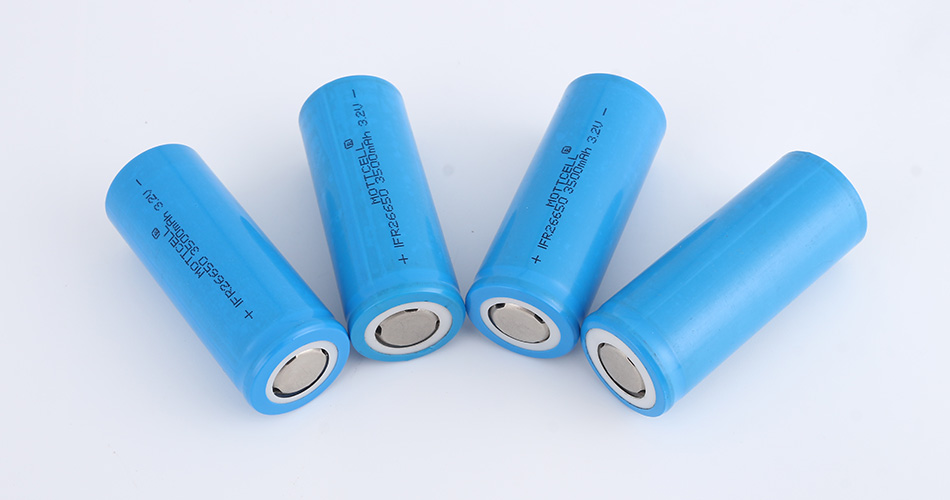
The 26650 lithium ion battery is a rechargeable cell, recognized for its cylindrical shape. The numbers "26650" denote the battery's dimensions: 26mm in diameter and 65mm in length, with "0" indicating its cylindrical form. This battery type is larger than the more common 18650 batteries, offering greater capacity and longer runtime. The extra space allows for more active material, which translates to a higher energy output. This makes the 26650 battery particularly appealing for applications that require sustained power delivery over a longer period. Its size and capacity make it suitable for heavy-duty tasks, providing a perfect balance between power and portability.
High Capacity: The 26650 batteries have higher capacity ratings compared to smaller batteries, allowing them to power devices for extended periods. This is crucial for applications where downtime is costly or impractical, such as in professional tools or emergency equipment.
Stable Voltage: With a nominal voltage of 3.2V, these batteries provide a stable power supply, making them suitable for high-drain applications. This stability ensures that connected devices operate efficiently without the risk of voltage fluctuations that could cause damage.
Long Cycle Life: They can be recharged hundreds of times without significant degradation, ensuring longevity and cost-effectiveness. This aspect is particularly beneficial for users looking for a long-term power solution with minimal maintenance.
Safety Features: Many 26650 batteries come equipped with built-in protection circuits to prevent overcharging, overheating, and short circuits. These safety features are critical for preventing accidents and ensuring that the batteries operate safely in various conditions.
3.2V 26650 lithium ion batteries are versatile and find applications in various fields:
Flashlights: Their high energy density makes them ideal for high-lumen flashlights. These flashlights require significant power to produce bright light, and the 26650 battery delivers just that.
E-bikes and Electric Scooters: They provide the power needed for longer rides. The battery's high capacity ensures that users can travel significant distances without frequent recharges.
Power Tools: Ensuring consistent and reliable performance in demanding environments. Professionals rely on these batteries to deliver the power needed for intensive tasks without interruption.
Solar Energy Storage: Used in solar panel setups for energy storage and management. The 26650 battery's ability to store and release energy efficiently makes it a crucial component in renewable energy systems.
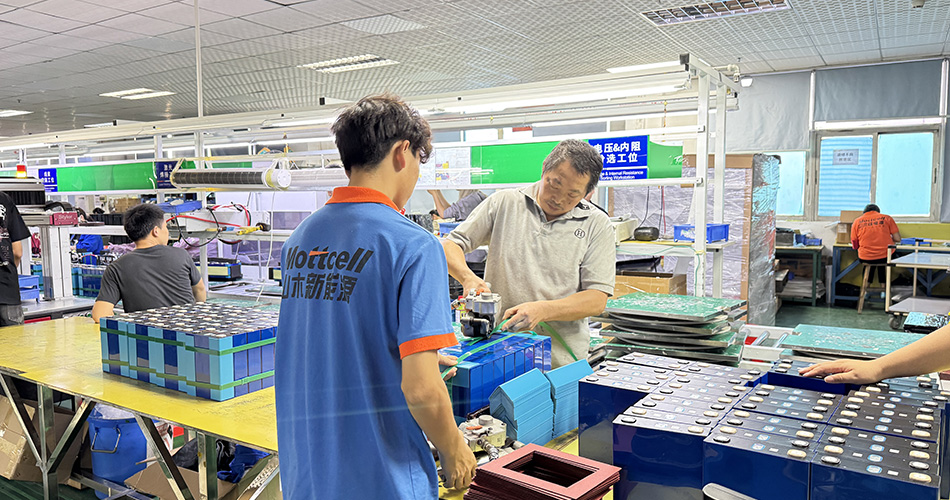
Producing 26650 lithium ion batteries involves several critical steps, each contributing to the final product's quality and performance. The process is a blend of precision engineering and advanced technology, ensuring that each battery meets the required standards.
The first step in the manufacturing process is preparing the electrodes. This involves coating aluminum and copper foils with active materials such as lithium iron phosphate (LiFePO4) for the cathode and graphite for the anode. The coated foils are then dried and compressed to ensure a uniform thickness. This step is vital for the efficient operation of the battery, as the electrodes are responsible for storing and releasing energy. The quality of the coating process directly affects the battery's capacity and lifespan.
Once the electrodes are ready, they are assembled into cells. The process involves winding or stacking the electrodes with separators, which prevent short circuits by keeping the cathode and anode apart. The assembled cells are then inserted into cylindrical casings. This assembly must be precise to prevent any internal short circuits, which could compromise the battery's safety and performance. The casings provide structural integrity and protect the internal components from environmental factors.
After assembly, the electrolyte—a vital component that facilitates ion movement between the electrodes—is filled into the cells. This step requires precision to ensure optimal performance and safety. The electrolyte acts as a medium for ion transfer, enabling the battery to charge and discharge efficiently. Any impurities or inconsistencies in the electrolyte can lead to decreased performance or potential safety hazards.
Following electrolyte filling, the cells are sealed to prevent leakage. The formation process involves charging and discharging the cells multiple times to stabilize the internal chemical reactions, enhancing the battery's performance and lifespan. This step is crucial as it sets the baseline for the battery's efficiency and reliability. Proper formation ensures that the battery will perform consistently over its intended life cycle.
Quality control is paramount in a 3.2V 26650 lithium ion battery factory. Each battery undergoes rigorous testing to ensure it meets safety standards and performance specifications. Common tests include:
Capacity Testing: Ensuring the battery meets its rated capacity. This test checks whether the battery can hold and deliver the expected amount of power.
Cycle Life Testing: Verifying the number of charge-discharge cycles the battery can withstand. This is crucial for understanding the long-term durability of the battery.
Safety Testing: Assessing the battery's response to extreme conditions, such as overcharging or short-circuiting. Safety testing ensures that the battery will not fail under adverse conditions, protecting both the device and the user.
When sourcing 3.2V 26650 lithium ion batteries, selecting a reputable factory is crucial. A reliable supplier ensures that you receive high-quality products that meet industry standards. Consider the following factors:
Ensure the factory adheres to industry standards and possesses necessary certifications, such as ISO 9001 for quality management and UL certification for safety compliance. These certifications indicate that the factory follows rigorous quality control processes and adheres to recognized safety standards. Compliance with international standards is a hallmark of a trustworthy manufacturer.
A factory that invests in the latest technology and research is likely to produce higher-quality batteries. Look for facilities that continuously innovate their manufacturing processes. Technological advancements can lead to improved battery performance, longer life cycles, and enhanced safety features. Staying at the forefront of technology also means that the factory can quickly adapt to new industry trends and demands.
Customer Reviews and Testimonials
Research customer reviews and testimonials to gauge the factory's reputation and reliability. Positive feedback from previous clients can indicate a trustworthy supplier. Customer satisfaction is a strong indicator of a factory's commitment to quality and service. Look for reviews that specifically mention the factory's responsiveness, product quality, and delivery times.
Opt for factories that prioritize environmental sustainability. This includes using eco-friendly materials, minimizing waste, and implementing recycling programs. Environmental responsibility is increasingly important in today's world, and choosing a supplier that values sustainability can enhance your brand's image. Eco-friendly practices also contribute to the long-term health of our planet, making them an essential consideration for any forward-thinking business.
The 3.2V 26650 lithium ion battery is a powerful and versatile energy source, essential for various modern applications. Understanding the manufacturing process and qualities of these batteries can guide you in making informed decisions when selecting a supplier. By choosing a reliable lithium ion battery factory, you ensure access to high-quality, safe, and efficient batteries that meet your needs.
Whether you're powering flashlights, electric vehicles, or renewable energy systems, the 3.2V 26650 lithium ion battery stands as a testament to the advancements in battery technology, promising a future of enhanced energy solutions. As technology continues to evolve, these batteries will play an increasingly important role in our daily lives, providing the power needed to support innovation and sustainability across various industries.
48V 300Ah HESS Supplier: Voltage, Runtime and OEM Guide
48V 100Ah HESS Supplier: 5.12kWh Solar OEM Buying Guide
12.8V 200Ah Battery Pack Factory: OEM Sourcing Guide
Commercial HESS Supplier: Factory Microgrid Sizing Guide
51.2V HESS Battery Supplier: 100Ah to 314Ah Capacity Guide
12V LiFePO4 Battery Pack Manufacturer: 50Ah-314Ah OEM Guide
16kWh HESS Supplier: 51.2V 314Ah Buyer’s Guide
5kWh HESS Supplier: Indoor Modular Battery Buying Guide
Established in 2005
In 2009, it was awarded the title of "National High tech Enterprise"
 zoe@mottcell.net
WhatsApp: 8617388790296
Fax: 86-0755-84042963
Skype: live:b0ebaecbb8782516
WeChat: +8613428749632

 VR show
 CN
CN Home >


