
 Jan 06, 2026


In today's rapidly advancing technological world, batteries play a crucial role in powering countless devices and applications. Among the many types of batteries available, lithium iron phosphate (LiFePO4) stands out due to its safety, efficiency, and long life. In this article, we will explore the significance of LiFePO4 batteries, particularly the 16340 variant, and delve into the inner workings of a 16340 LiFePO4 battery factory.
Lithium iron phosphate (LiFePO4) batteries are a type of lithium-ion battery that uses lithium iron phosphate as a cathode material. This composition provides a number of advantages over other lithium-ion chemistries. LiFePO4 batteries are known for their safety, thermal stability, and long cycle life, making them a preferred choice for many applications.
Safety: LiFePO4 batteries are less prone to overheating and thermal runaway, making them safer than other lithium-ion batteries. This is a critical factor in applications where safety is paramount, such as in electric vehicles and energy storage systems.
Longevity: These batteries have a longer cycle life compared to other lithium-ion batteries. They can endure thousands of charge and discharge cycles without significant degradation, which translates to a longer lifespan.
Efficiency: LiFePO4 batteries have a high energy density and low self-discharge rate. This means they can hold a charge for extended periods and deliver consistent power output, making them ideal for various applications.
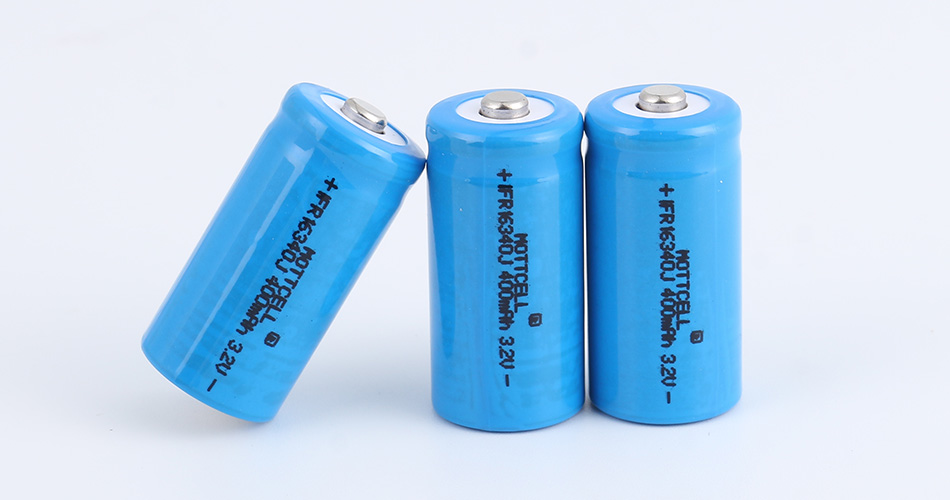
The 16340 battery is a specific size and type of LiFePO4 battery that is commonly used in small electronic devices. It is roughly equivalent in size to a CR123A battery but offers the benefits of lithium iron phosphate chemistry.
The 16340 LiFePO4 battery is used in a variety of applications, including:
Flashlights: The high energy density and long life of LiFePO4 batteries make them perfect for use in powerful flashlights.
Cameras: Many photographers rely on 16340 batteries to power their camera equipment, ensuring reliability and longevity.
Medical Devices: The safety and reliability of LiFePO4 batteries make them suitable for use in critical medical devices.
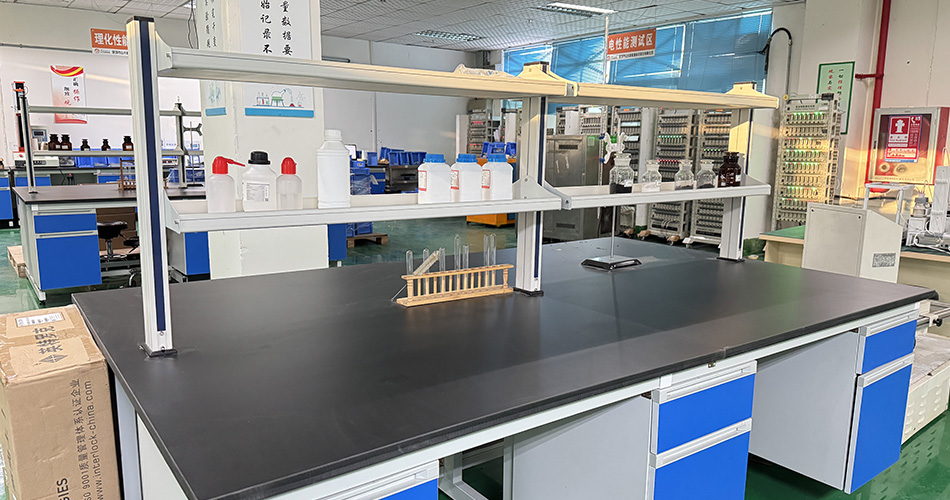
A 16340 LiFePO4 battery factory is a highly specialized facility where precision, quality control, and innovation come together to produce these efficient powerhouses. Let's take a closer look at the key steps involved in the manufacturing process.
The production of a LiFePO4 battery begins with the preparation of raw materials. The cathode material, lithium iron phosphate, is synthesized from a combination of lithium carbonate, iron oxalate, and phosphoric acid. These materials are meticulously measured and mixed to create a high-quality cathode powder.
Once the cathode material is prepared, it is coated onto an aluminum foil to create the positive electrode. Simultaneously, a negative electrode is produced by coating a copper foil with graphite. These electrodes are then dried, pressed, and cut into appropriate sizes.
In the assembly area, the positive and negative electrodes are layered with a separator in between to prevent short circuits. This sandwich-like structure is then rolled or stacked, depending on the design of the battery. The assembled cells are placed into a cylindrical or prismatic casing and filled with an electrolyte solution.
After assembly, the cells undergo a formation process where they are charged and discharged to stabilize the chemical reactions. This step is crucial for ensuring the battery's performance and longevity. Following formation, the cells are subjected to an aging process to further enhance stability.
Quality control is an integral part of the manufacturing process in a 16340 LiFePO4 battery factory. Each battery undergoes rigorous testing to ensure it meets safety and performance standards. Parameters such as capacity, voltage, and internal resistance are meticulously checked to guarantee that only top-quality batteries reach the market.
Once the batteries pass quality control, they are packaged and prepared for distribution. Proper packaging ensures that the batteries are protected during transit and storage, maintaining their integrity until they reach the end consumer.
The field of battery manufacturing is constantly evolving, with new technologies and innovations emerging regularly. Some of the advancements in LiFePO4 battery manufacturing include:
Automated Production Lines: Automation enhances precision and efficiency in the manufacturing process, reducing the risk of human error and increasing production speed.
Advanced Quality Control Systems: The use of AI and machine learning in quality control allows for real-time monitoring and analysis, improving the detection of defects and ensuring consistent quality.
Sustainable Manufacturing Practices: Many factories are adopting eco-friendly practices, such as recycling and reducing waste, to minimize their environmental impact.
The 16340 LiFePO4 battery is a versatile and reliable power source that is finding its way into an increasing number of applications. Understanding the manufacturing process and the advantages of LiFePO4 chemistry can help consumers and businesses make informed decisions about their power needs. As technology continues to advance, we can expect even greater innovations in battery manufacturing, further enhancing the performance and sustainability of these essential components.
Whether you are a tech enthusiast, a manufacturer looking to integrate LiFePO4 batteries into your products, or simply someone interested in the future of energy storage, the 16340 LiFePO4 battery factory exemplifies the cutting-edge technology and meticulous craftsmanship that drives this industry forward.
Related News
Common Small Battery Types Explained: Industrial Sourcing Guide
Industrial 18650 Cylindrical Battery Factory: Dual-Technology Bulk Production for Global Markets
Leading 18650 Rechargeable Battery Manufacturer for OEM Projects
16340 Cylindrical Battery Factory: Inside Lithium Production
High-Quality 3.2V 16340 Lithium Ion Battery Factory
Top 16340 LiFePO4 Battery Supplier: Quality & Reliability
High-Quality 3.2V 16340 Lithium Ion Battery Factory
48V 300Ah HESS Supplier: Voltage, Runtime and OEM Guide
48V 100Ah HESS Supplier: 5.12kWh Solar OEM Buying Guide
12.8V 200Ah Battery Pack Factory: OEM Sourcing Guide
Commercial HESS Supplier: Factory Microgrid Sizing Guide
51.2V HESS Battery Supplier: 100Ah to 314Ah Capacity Guide
12V LiFePO4 Battery Pack Manufacturer: 50Ah-314Ah OEM Guide
16kWh HESS Supplier: 51.2V 314Ah Buyer’s Guide
5kWh HESS Supplier: Indoor Modular Battery Buying Guide
Established in 2005
In 2009, it was awarded the title of "National High tech Enterprise"
 zoe@mottcell.net
WhatsApp: 8617388790296
Fax: 86-0755-84042963
Skype: live:b0ebaecbb8782516
WeChat: +8613428749632

 VR show
 CN
CN Home >


