
 Jan 06, 2026


In the world of rechargeable batteries, the LiFePO4 battery, particularly the 3.2V 16340 variant, stands out due to its exceptional performance and safety features. As a staple for many electronic devices, understanding the manufacturing process and benefits of these batteries can help consumers and businesses make informed decisions. In this article, we will delve into the intricacies of the 3.2V 16340 LiFePO4 battery factory, exploring its production, advantages, and applications.
Lithium Iron Phosphate (LiFePO4) batteries are a type of lithium-ion battery known for their long life, stability, and safety. Unlike other lithium-ion batteries, LiFePO4 batteries have a lower energy density but offer superior thermal and chemical stability, making them less prone to overheating and combustion. This unique combination of properties makes them highly suitable for a range of applications.
The 3.2V 16340 LiFePO4 battery is a popular choice for devices requiring reliable and safe power sources. Here are some key features:
Voltage: The nominal voltage is 3.2V, providing a stable power output suitable for many electronic devices.
Size: The 16340 size is compact, similar to a CR123A battery, making it ideal for compact devices.
Capacity: Typically, these batteries offer a capacity range that suits medium-energy devices.
Cycle Life: LiFePO4 chemistry provides a long cycle life, often exceeding 2000 charge-discharge cycles.
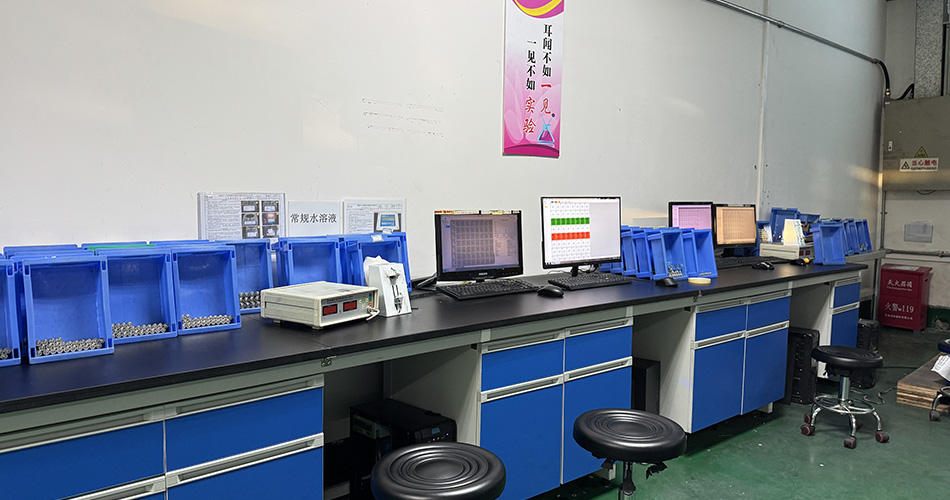
The production of LiFePO4 batteries involves several precise steps to ensure quality and performance. Here's a simplified overview of the process:
The manufacturing process begins with preparing the raw materials, including lithium, iron, and phosphate. These components are mixed to form a slurry, which will be coated onto aluminum foil to create the cathode.
The slurry is spread evenly onto the foil and dried, forming a solid layer that will serve as the battery's cathode. Simultaneously, the anode is prepared using carbon materials, typically graphite, coated onto copper foil.
The cathode and anode are layered with a separator in between to prevent short-circuiting. These layers are then wound or stacked together to form the battery cell.
After assembling the cell, an electrolyte is added to facilitate the movement of ions between the electrodes during charging and discharging.
The cell is sealed to prevent contamination and leakage. It then undergoes a formation process, which involves charging and discharging cycles to stabilize the battery and ensure optimal performance.
Rigorous testing is conducted to ensure each battery meets safety and performance standards. This includes checking the voltage, capacity, and cycle life.
LiFePO4 batteries offer several advantages over traditional lithium-ion batteries:
Safety: The stable chemistry minimizes the risk of overheating, making them safer for consumer electronics and industrial applications.
Longevity: With a lifespan of over 2000 cycles, these batteries offer long-term reliability.
Environmental Impact: LiFePO4 batteries are more environmentally friendly due to their nontoxic materials and longer life, reducing waste.
Efficiency: They provide a consistent power output, maintaining performance throughout their discharge cycle.
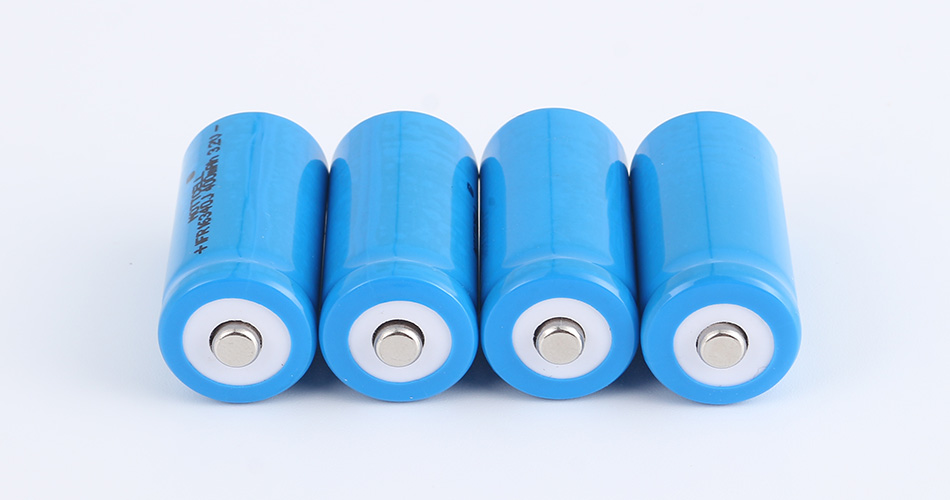
The versatility of the 3.2V 16340 LiFePO4 battery makes it suitable for a wide range of applications, from consumer electronics to industrial uses.
These batteries are ideal for high-drain devices such as flashlights, cameras, and portable gadgets due to their compact size and reliable power output.
LiFePO4 batteries are used in solar power storage systems because of their long life and stable performance, helping to harness and store solar energy efficiently.
Their safety and longevity make them an excellent choice for electric vehicles and cordless power tools, where reliability and performance are crucial.
Industries utilize these batteries for backup power and in equipment where consistent power is essential.
When selecting a 3.2V 16340 LiFePO4 battery factory, consider the following factors to ensure quality and reliability:
Reputation and Experience: Look for factories with a strong track record and extensive experience in battery manufacturing.
Quality Control: Ensure the factory adheres to strict quality control processes to guarantee product safety and performance.
Certifications: Verify that the factory holds relevant certifications, such as ISO9001, indicating compliance with international standards.
Innovation and Technology: Choose a factory that invests in research and development to stay at the forefront of battery technology.
The 3.2V 16340 LiFePO4 battery is a reliable and safe power source for a variety of applications. Understanding the manufacturing process and the advantages of these batteries can help consumers and businesses make informed decisions. By choosing a reputable battery factory, you can ensure you receive high-quality products that meet your power needs. Whether you're powering a flashlight or an electric vehicle, the 3.2V 16340 LiFePO4 battery is a versatile and dependable choice for modern energy solutions.
48V 300Ah HESS Supplier: Voltage, Runtime and OEM Guide
48V 100Ah HESS Supplier: 5.12kWh Solar OEM Buying Guide
12.8V 200Ah Battery Pack Factory: OEM Sourcing Guide
Commercial HESS Supplier: Factory Microgrid Sizing Guide
51.2V HESS Battery Supplier: 100Ah to 314Ah Capacity Guide
12V LiFePO4 Battery Pack Manufacturer: 50Ah-314Ah OEM Guide
16kWh HESS Supplier: 51.2V 314Ah Buyer’s Guide
5kWh HESS Supplier: Indoor Modular Battery Buying Guide
Established in 2005
In 2009, it was awarded the title of "National High tech Enterprise"
 zoe@mottcell.net
WhatsApp: 8617388790296
Fax: 86-0755-84042963
Skype: live:b0ebaecbb8782516
WeChat: +8613428749632

 VR show
 CN
CN Home >


