
 Jan 06, 2026


In today's rapidly advancing technological world, the demand for reliable and efficient energy storage solutions is at an all-time high. Enter the 3.2V 16340 LiFePO4 battery—a powerhouse in the realm of rechargeable batteries. Whether you're a gadget enthusiast or an industry professional, understanding the significance of this battery and its manufacturing process is crucial. This article delves into the world of 3.2V 16340 LiFePO4 battery manufacturing, highlighting key players and the manufacturing processes that set them apart.
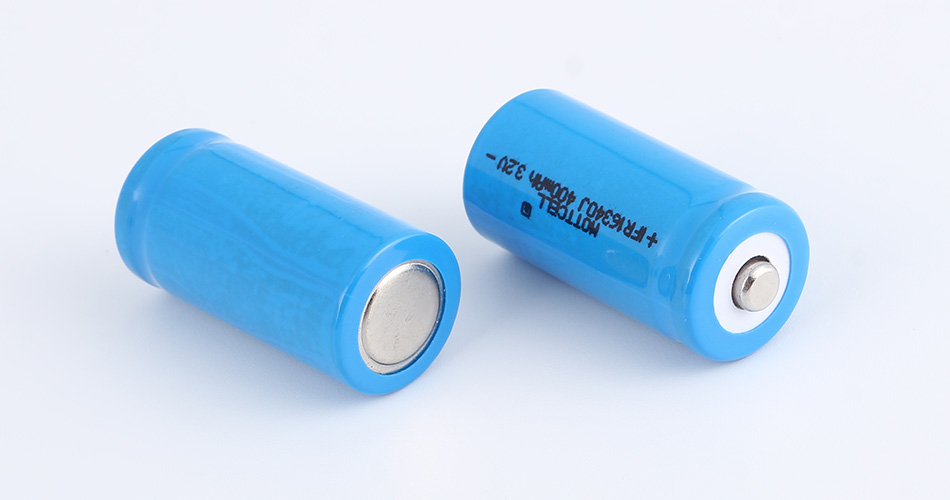
The 3.2V 16340 LiFePO4 battery is a type of lithium iron phosphate battery. This specific chemistry, LiFePO4, is known for its safety, long life, and consistent power delivery. The "16340" refers to the battery's size—16mm in diameter and 34mm in height. These batteries are commonly used in flashlights, cameras, and other portable electronic devices due to their reliability and efficiency.
Safety: LiFePO4 batteries are less prone to overheating and thermal runaway, making them a safer choice for consumers.
Longevity: These batteries offer a longer cycle life compared to other lithium-ion batteries.
Stability: They provide stable voltage output, which is crucial for devices requiring consistent power.
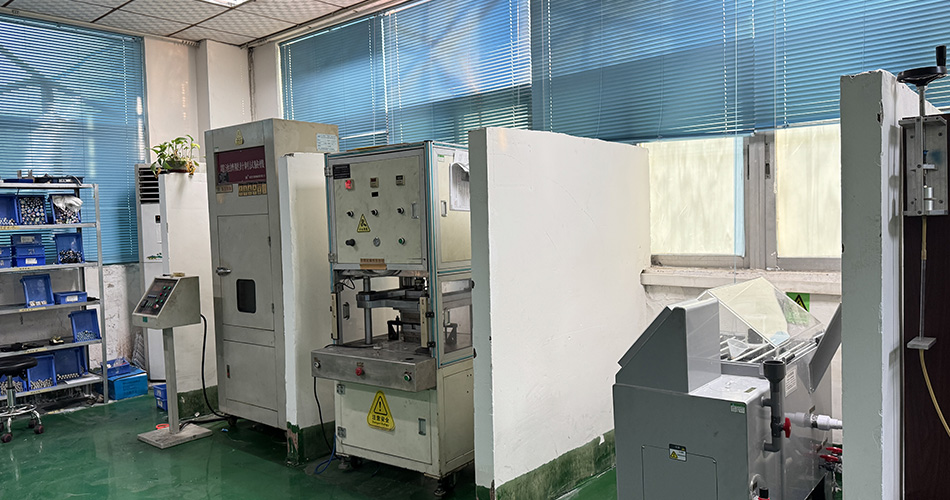
A battery manufacturing company specializes in producing various types of batteries, including the 3.2V 16340 LiFePO4. These manufacturers are responsible for designing, assembling, and testing batteries to meet industry standards and consumer expectations.
Several leading companies have made a mark in the field of lithium battery production. They are renowned for their innovative approaches and commitment to quality. Some notable names include:
Panasonic: Known for its extensive range of lithium batteries, Panasonic has been at the forefront of battery innovation.
LG Chem: A major player in the battery industry, LG Chem focuses on delivering high-performance batteries for various applications.
BYD: This company is a pioneer in renewable energy solutions, including advanced battery technologies.
The manufacturing process begins with sourcing high-quality raw materials. For LiFePO4 batteries, this includes lithium, iron, and phosphate, among others. Ensuring the purity and quality of these materials is critical to the battery's overall performance.
The next step involves creating the electrodes. The anode and cathode are prepared using a slurry of active materials, binders, and solvents, which are then coated onto a metal foil. After coating, the electrodes are dried and compressed to achieve the desired thickness.
In cell assembly, the prepared electrodes are combined with a separator and electrolyte. The components are stacked or rolled together, depending on the battery design, and then enclosed in a casing. This step is crucial for ensuring the battery's structural integrity.
Once assembled, the battery undergoes a formation process where it is charged and discharged multiple times. This step helps stabilize the internal chemistry and improves the battery's performance. Following formation, the battery is aged to ensure it meets quality standards.
Finally, the batteries are subjected to rigorous testing and quality control measures. This includes checking for voltage consistency, capacity, and safety features. Only batteries that pass these stringent tests are deemed fit for market distribution.
Partnering with a reputable battery manufacturing company ensures that you receive products that meet the highest quality standards. These companies invest heavily in research and development to produce batteries that are efficient, safe, and reliable.
Leading manufacturers often offer innovative solutions tailored to specific needs. Whether you require a battery for consumer electronics or industrial applications, these companies can provide customized solutions that align with your requirements.
Many top-tier manufacturers are committed to sustainable practices, focusing on reducing environmental impact through efficient production processes and eco-friendly materials. This commitment not only benefits the environment but also enhances the company's reputation and consumer trust.
In summary, the 3.2V 16340 LiFePO4 battery stands out as a reliable and efficient energy storage solution. By understanding the manufacturing process and the key players in the industry, consumers and businesses can make informed decisions when selecting a battery manufacturing company. Whether for personal use or commercial purposes, choosing the right manufacturer ensures you receive high-quality products that meet your energy needs. As technology continues to evolve, so too will the innovations in battery manufacturing, paving the way for more advanced and sustainable energy solutions in the future.
48V 300Ah HESS Supplier: Voltage, Runtime and OEM Guide
48V 100Ah HESS Supplier: 5.12kWh Solar OEM Buying Guide
12.8V 200Ah Battery Pack Factory: OEM Sourcing Guide
Commercial HESS Supplier: Factory Microgrid Sizing Guide
51.2V HESS Battery Supplier: 100Ah to 314Ah Capacity Guide
12V LiFePO4 Battery Pack Manufacturer: 50Ah-314Ah OEM Guide
16kWh HESS Supplier: 51.2V 314Ah Buyer’s Guide
5kWh HESS Supplier: Indoor Modular Battery Buying Guide
Established in 2005
In 2009, it was awarded the title of "National High tech Enterprise"
 zoe@mottcell.net
WhatsApp: 8617388790296
Fax: 86-0755-84042963
Skype: live:b0ebaecbb8782516
WeChat: +8613428749632

 VR show
 CN
CN Home >


