
 Dec 29, 2025


When it comes to powering your devices, the battery is the heart of the operation. For many electronic gadgets, a reliable and efficient power source is key to performance. Enter the 3.2V 14650 rechargeable battery—a versatile and durable option that continues to gain popularity. In this article, we'll explore the specs of the 14650 battery, delve into its benefits, and take a closer look at how a 3.2V 14650 rechargeable battery factory operates.
The term "14650" refers to the battery's dimensions. A 14650 battery is 14mm in diameter and 65mm in length. These measurements make it slightly smaller than the more commonly known 18650 battery, yet it maintains similar functionality. The 3.2V designation highlights its voltage capacity, making it suitable for various applications.
Key Specifications:
Capacity: Varies, but typically ranges from 800mAh to 1600mAh
Chemistry: Often lithium iron phosphate (LiFePO4)
Cycle Life: Can exceed 2000 cycles with proper use
The 14650 battery is known for its balance between size and power, making it a popular choice for many portable electronics and DIY projects.
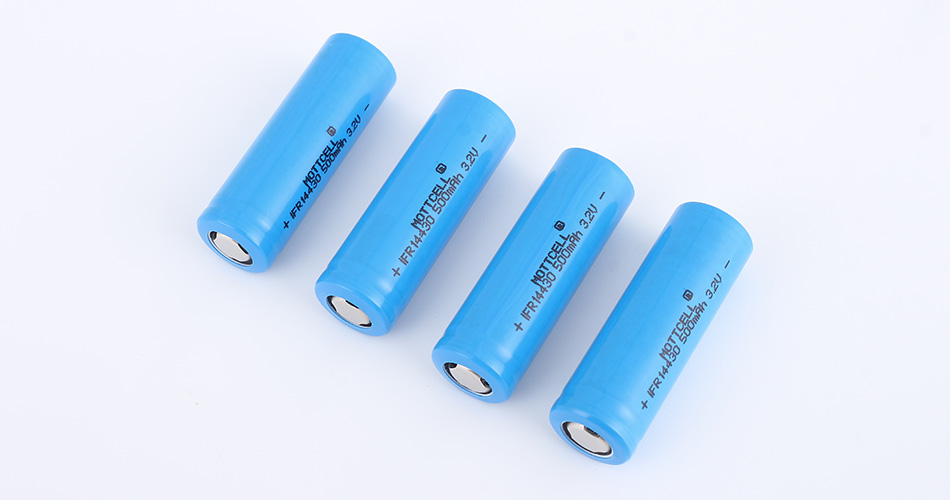
One of the standout features of the 3.2V 14650 rechargeable battery is its rechargeable nature, which provides several advantages over traditional disposable batteries.
Rechargeable batteries, like the 14650, are designed for repeated use, which means they can power your devices through numerous charge cycles. This longevity not only saves you money in the long run but also reduces waste—an important factor for environmentally conscious consumers.
The lithium iron phosphate chemistry commonly used in these batteries ensures stable performance and a consistent output. This reliability is crucial for devices that require steady power to function correctly, such as flashlights, portable fans, and various electronic tools.
Lithium iron phosphate batteries are known for their thermal stability and safety characteristics. They are less prone to overheating compared to other lithium-ion batteries, making them a safer option for both consumer and industrial applications.
While the initial cost of rechargeable batteries is higher than disposable ones, their ability to be recharged and reused makes them more economical over time. This cost-effectiveness is particularly beneficial for devices that see heavy use.
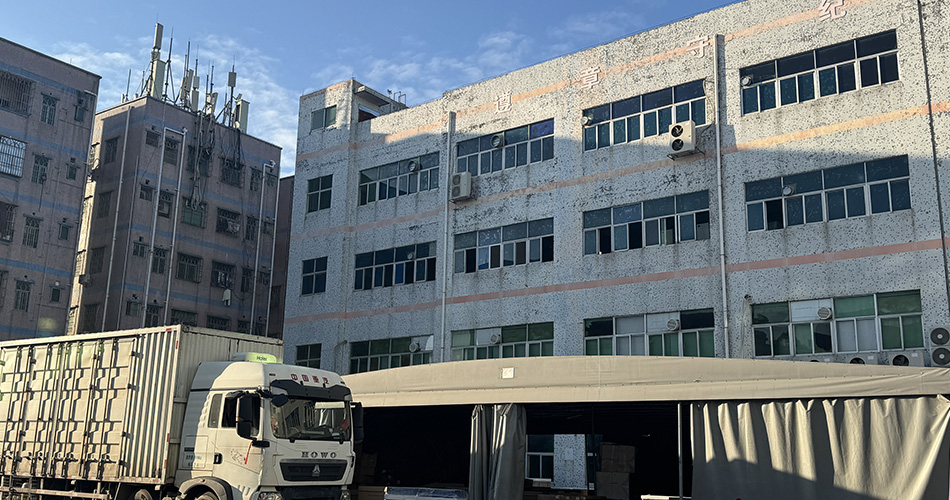
Producing a 3.2V 14650 rechargeable battery involves a series of precise and controlled manufacturing processes. Let's take a look at what goes on inside a typical battery factory.
The first step in battery production is the preparation of raw materials. This involves sourcing high-quality lithium iron phosphate and other essential components. These materials are carefully measured and mixed to form the battery's electrodes.
The mixed materials are then coated onto metal foils to create the battery's anode and cathode. These coated foils are dried, compressed, and cut into the appropriate size for the 14650 battery.
Once the electrodes are prepared, they are assembled into cells. This process includes stacking the anode and cathode with a separator in between to prevent short-circuiting. The cells are then filled with electrolyte and sealed to prevent leakage.
After assembly, the cells undergo a formation process, where they are charged and discharged to stabilize the internal chemistry. Following this, rigorous testing ensures each battery meets quality standards in terms of capacity, voltage, and safety.
The final step is packaging the batteries for shipment. They are labeled, packaged, and sent to distributors or directly to consumers, ready to power the next generation of electronic devices.
When selecting a factory for sourcing your 14650 batteries, it's important to consider several factors to ensure you receive a high-quality product.
Look for a factory with a robust quality assurance process. This includes certifications such as ISO 9001, which indicates a commitment to maintaining high manufacturing standards.
A factory with advanced technology and state-of-the-art equipment is more likely to produce reliable and efficient batteries. This technological expertise translates into better performance and longer battery life.
Consider factories that prioritize environmental sustainability. This includes using eco-friendly materials and processes, as well as adhering to regulations for waste management and emissions.
Reliable customer support is crucial for addressing any issues or questions that may arise. Choose a factory that offers excellent customer service and stands behind its products.
The 3.2V 14650 rechargeable battery is a versatile and efficient power source suitable for a wide range of applications. Understanding the specs and benefits of these batteries, along with insights into their production, can help you make informed decisions when selecting a battery factory. Whether you're powering a small gadget or a more complex device, choosing the right battery can make all the difference in performance and longevity.
48V 300Ah HESS Supplier: Voltage, Runtime and OEM Guide
48V 100Ah HESS Supplier: 5.12kWh Solar OEM Buying Guide
12.8V 200Ah Battery Pack Factory: OEM Sourcing Guide
Commercial HESS Supplier: Factory Microgrid Sizing Guide
51.2V HESS Battery Supplier: 100Ah to 314Ah Capacity Guide
12V LiFePO4 Battery Pack Manufacturer: 50Ah-314Ah OEM Guide
16kWh HESS Supplier: 51.2V 314Ah Buyer’s Guide
5kWh HESS Supplier: Indoor Modular Battery Buying Guide
Established in 2005
In 2009, it was awarded the title of "National High tech Enterprise"
 zoe@mottcell.net
WhatsApp: 8617388790296
Fax: 86-0755-84042963
Skype: live:b0ebaecbb8782516
WeChat: +8613428749632

 VR show
 CN
CN Home >


