
 Dec 29, 2025


In the ever-evolving world of technology, power storage solutions are crucial. Among the various types of batteries, the 14650 rechargeable battery stands out for its versatility and efficiency. This article delves into the world of 14650 rechargeable battery manufacturing, exploring how factories produce these essential energy storage units and the key elements that make them indispensable.
The 14650 rechargeable battery is a lithium-ion cell, named for its dimensions: 14mm in diameter and 65mm in length. It's slightly smaller than the more commonly known 18650 battery, yet it delivers substantial power. These batteries are commonly used in a variety of devices, including flashlights, electronics, and power tools, due to their compact size and high energy density.
Rechargeable lithium cells have revolutionized how we use portable electronic devices. Their popularity stems from several key benefits:
High Energy Density: Lithium-ion batteries store a large amount of energy in a small space, which makes them ideal for compact devices.
Low Self-Discharge: These batteries have a lower self-discharge rate compared to other rechargeable cells, meaning they retain their charge longer when not in use.
Minimal Memory Effect: Unlike some other types of batteries, lithium-ion cells do not have a memory effect, which means they do not need to be fully discharged before recharging.

The production of 14650 rechargeable batteries involves several stages, each critical to ensuring the final product is reliable and efficient.
The first step in manufacturing is acquiring high-quality raw materials. This includes cathode, anode, and electrolyte materials, which are essential for the battery's performance. Manufacturers often source these components from trusted suppliers to maintain quality standards.
Once the raw materials are ready, the cell assembly process begins. This involves layering the cathode, separator, anode, and electrolyte in a precise order. The layers are then rolled or stacked, depending on the design, and encased in a cylinder that forms the battery's structure.
After assembly, the batteries undergo a formation process. This involves charging and discharging cycles that activate the battery's chemistry. Once formed, the cells are subjected to an aging process, where they are stored for a specific period to stabilize the chemical reactions within.
Quality control is a crucial step in the manufacturing process. Each battery is tested for capacity, voltage, and overall performance. This step ensures that only the highest quality batteries make it to the market. Factories often use automated systems and manual inspections to guarantee consistency and reliability.
Manufacturers understand that different applications require specific battery solutions. As a result, many factories offer custom battery solutions tailored to unique requirements. These solutions might involve adjustments in capacity, voltage, or even physical design to fit specific devices or applications.
Tailored Performance: Custom batteries are designed to meet the specific power needs of a device, ensuring optimal performance.
Enhanced Safety: Custom solutions can incorporate additional safety features, such as thermal management systems, to prevent overheating.
Longevity: By designing batteries specifically for their intended use, manufacturers can extend the lifespan and efficiency of the battery.
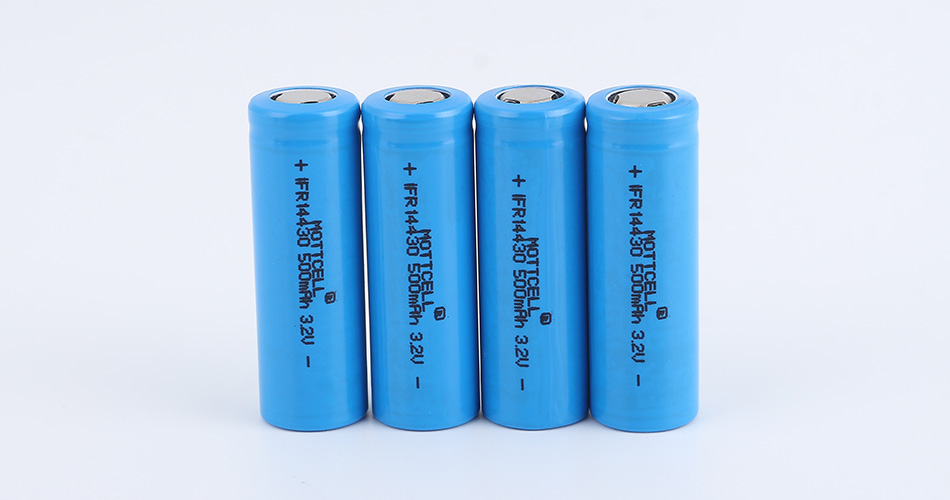
A 14650 rechargeable battery factory plays a pivotal role in the supply chain of modern electronics. These facilities are responsible for producing batteries that power countless devices worldwide.
To remain competitive, battery factories invest heavily in research and development. This not only involves improving the current battery technologies but also exploring new materials and methods to enhance performance and reduce costs.
Manufacturers are increasingly focusing on sustainable practices. This includes reducing waste during the production process, recycling materials, and designing batteries that are less harmful to the environment. Many factories also adhere to strict environmental regulations to minimize their impact.
A well-established factory has the capability to cater to global markets. This means adhering to international standards and certifications, ensuring that the batteries are safe and reliable for use anywhere in the world.
The 14650 rechargeable battery is a testament to the advancements in battery technology. Factories dedicated to their production are at the forefront of innovation, ensuring that these power units meet the growing demands of modern technology. From custom solutions to sustainable practices, these factories play a crucial role in powering the future.
In summary, understanding the intricacies of 14650 rechargeable battery manufacturing offers insights into the complexities of producing reliable power sources. As technology continues to advance, these batteries will undoubtedly remain integral to our daily lives, powering everything from small gadgets to large appliances.
Leading 3.2V 16340 Cylindrical Battery Supplier for Industrial & Outdoor Applications
Leading 16340 Cylindrical Battery Supplier for IoT & Smart Device Solutions
16340 Cylindrical Battery Factory: Inside Lithium Production
3.2V 16340 Cylindrical Battery Guide: Safe Use & Charging
3.2V 16340 Cylindrical Battery: Safe CR123A Replacement
16340 cylindrical battery manufacturer
Top 3.2V 16340 Lithium Battery Supplier
Top 16340 Lithium Ion Battery Supplier Guide
Established in 2005
In 2009, it was awarded the title of "National High tech Enterprise"
 zoe@mottcell.net
WhatsApp: 8617388790296
Fax: 86-0755-84042963
Skype: live:b0ebaecbb8782516
WeChat: +8613428749632

 VR show
 CN
CN Home >


