
 Jan 04, 2026


In the rapidly evolving world of energy storage, the 14650 cylindrical battery has emerged as a prominent player. This article delves into the workings of a 14650 cylindrical battery factory, shedding light on the production processes, technological advancements, and the pivotal role these factories play in the broader energy landscape.
The 14650 cylindrical battery is a lithium-ion battery known for its compact size and efficiency. The numbers in the name indicate the battery's dimensions: 14mm in diameter and 65mm in length. These batteries are widely used in various applications, from consumer electronics to power tools, due to their balance of size, power, and capacity.
One of the reasons the 14650 battery is so popular is its versatility. It powers a wide range of devices, including:
Consumer Electronics: Devices like cameras, flashlights, and portable speakers often use these batteries due to their compact size and energy efficiency.
Power Tools: Many cordless power tools rely on 14650 batteries for their lightweight yet powerful energy source.
Electric Vehicles: While not as common as larger cells, some electric bikes and scooters utilize 14650 batteries for their compact energy solutions.
Building a 14650 cylindrical battery involves several intricate steps, each critical to ensuring the battery's performance and safety. Let's explore the main stages of production:
The first step in battery production involves preparing the raw materials. This includes:
Cathode and Anode Material Preparation: The cathode is typically made from lithium cobalt oxide or lithium manganese oxide, while the anode is often composed of graphite.
Electrolyte Preparation: The electrolyte is a lithium salt dissolved in an organic solvent, facilitating ion flow between the cathode and anode.
Once the raw materials are prepared, they move to the electrode manufacturing stage:
Coating: The cathode and anode materials are coated onto thin metal foils, usually aluminum for the cathode and copper for the anode.
Drying: After coating, the electrodes are dried to remove any solvents used during the coating process.
The next stage is cell assembly, where the battery begins to take shape:
Winding or Stacking: The electrodes are either wound into a cylindrical shape or stacked, depending on the design of the battery.
Insertion: The wound or stacked electrodes are placed into a cylindrical metal casing.
Electrolyte Filling: The electrolyte is carefully added to the casing, ensuring it adequately wets the electrodes.
Sealing: The casing is sealed, often with a laser, to prevent any leakage of materials.
Following assembly, the batteries undergo formation and aging:
Formation: The battery is charged and discharged several times to form a stable solid electrolyte interface (SEI) layer.
Aging: The batteries are stored for a period to allow the electrochemical reactions to stabilize.
Quality control is a vital part of the production process:
Performance Testing: Each battery is tested for voltage, capacity, and internal resistance to ensure it meets performance specifications.
Safety Testing: Tests are conducted to ensure the battery can withstand conditions like overcharging, short-circuiting, and extreme temperatures without failure.
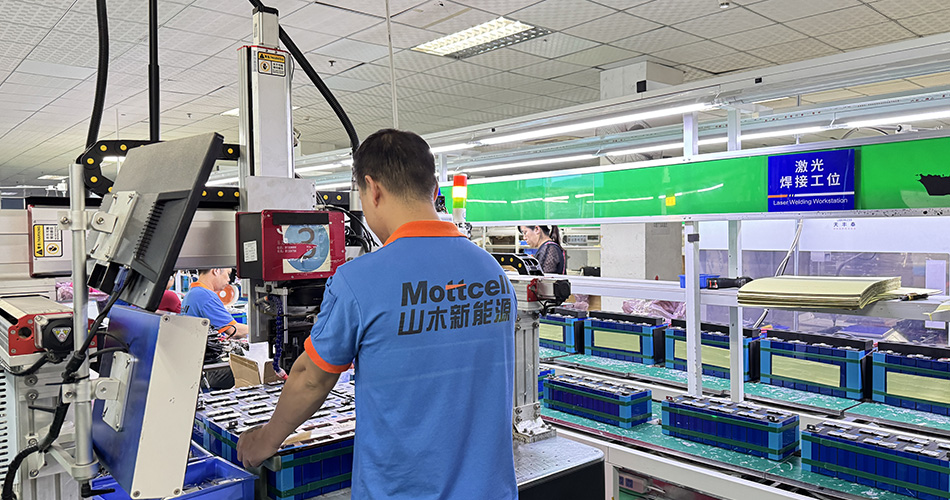
Advancements in technology have continually improved the efficiency and safety of 14650 battery production:
Modern factories often employ automation and robotics to enhance production speed and consistency. Automated systems handle tasks like coating, assembly, and testing, reducing human error and increasing throughput.
Smart manufacturing technologies, including the Internet of Things (IoT) and artificial intelligence (AI), are increasingly integrated into battery production lines. These technologies enable real-time monitoring of manufacturing processes, predictive maintenance, and optimization of production parameters.
As environmental concerns grow, many factories are adopting sustainable practices. This includes recycling materials, using renewable energy sources, and reducing waste throughout the production process.
14650 cylindrical battery factories are crucial to the energy storage ecosystem. They supply the batteries that power countless devices, contributing to advancements in technology and sustainability. Here's why they matter:
These factories are at the forefront of developing and producing batteries that enable new technologies. From the latest consumer gadgets to breakthroughs in electric vehicles, the innovations supported by these batteries are vast.
With the rise of renewable energy, efficient energy storage solutions like the 14650 battery are vital. They allow for the integration of solar and wind power into the grid, promoting a cleaner, more sustainable energy future.
The production of lithium-ion batteries creates jobs and stimulates economic growth. As the demand for energy storage solutions increases, these factories continue to be pivotal in driving industrial and economic development.
The 14650 cylindrical battery factory is a marvel of modern manufacturing, playing a pivotal role in the energy storage industry. From their meticulous production processes to the technological advancements they incorporate, these factories are essential to powering our modern world. As we move towards a more connected and sustainable future, the importance of these factories will only grow.
In summary, the 14650 cylindrical battery factories are not just about manufacturing batteries; they're about fueling innovation, supporting sustainable practices, and contributing to economic prosperity. These batteries, though small in size, have a significant impact on the world around us.
Contact us for a custom [cylindrical battery pack solution]
Related News
Reliable Rechargeable Battery Solutions for Industrial Applications
Cylindrical Battery Solutions: Custom Cell Sourcing for OEM Projects
Top Cylindrical Battery Manufacturer: Li-ion & LiFePO4 Cells | Mottcell
Reliable 32650 Cylindrical Battery Factory for OEM Cells and Packs
Efficient AA Cylindrical Battery Factory: Production & Tech
AAA Cylindrical Battery Factory: 3.2V LiFePO4 Specialized Production Base
18500 Cylindrical Battery Factory Insights
22650 Cylindrical Battery Factory for OEM Cell and Pack Supply
26700 Lithium Ion Battery Manufacturer for OEM Applications
2V 10440 Battery: Find Top Cylindrical Battery Factory
14430 Cylindrical Battery Manufacturing Insights
48V 300Ah HESS Supplier: Voltage, Runtime and OEM Guide
48V 100Ah HESS Supplier: 5.12kWh Solar OEM Buying Guide
12.8V 200Ah Battery Pack Factory: OEM Sourcing Guide
Commercial HESS Supplier: Factory Microgrid Sizing Guide
51.2V HESS Battery Supplier: 100Ah to 314Ah Capacity Guide
12V LiFePO4 Battery Pack Manufacturer: 50Ah-314Ah OEM Guide
16kWh HESS Supplier: 51.2V 314Ah Buyer’s Guide
5kWh HESS Supplier: Indoor Modular Battery Buying Guide
Established in 2005
In 2009, it was awarded the title of "National High tech Enterprise"
 zoe@mottcell.net
WhatsApp: 8617388790296
Fax: 86-0755-84042963
Skype: live:b0ebaecbb8782516
WeChat: +8613428749632

 VR show
 CN
CN Home >


