
 Jan 04, 2026


In the world of portable power, cylindrical lithium batteries stand out as a popular choice due to their reliability, efficiency, and versatility. Among these, the 3.2V 14650 cylindrical battery holds a special place in the market. Whether you're a tech enthusiast, a gadget manufacturer, or someone interested in renewable energy solutions, understanding the specs and production nuances of these batteries can be highly beneficial.
The 14650 cylindrical battery is a lithium-based rechargeable battery, characterized by its dimensions—14mm in diameter and 65mm in length. The "3.2V" denotes the nominal voltage of the battery. It is a popular choice in applications requiring a balance between compact size and efficient energy storage.
These batteries are commonly used in various electronic devices, including flashlights, toys, and some medical devices. Their ability to provide a stable voltage and capacity makes them a preferred choice for consistent performance.
Before diving into the manufacturing process, let's explore the key specifications of the 14650 battery:
Nominal Voltage: 3.2 Volts
Capacity: Typically ranges between 900mAh to 1100mAh
Chemistry: Lithium Iron Phosphate (LiFePO4) for stability and safety
Dimensions: 14mm diameter x 65mm length
Cycle Life: Over 2000 charge/discharge cycles
These specifications make the 14650 battery suitable for applications where size constraints are present but a reliable power source is needed.
The production of 3.2V 14650 cylindrical batteries involves a meticulous process to ensure quality and performance. Here's a closer look at the steps involved:
The manufacturing process begins with the preparation of raw materials. High-purity lithium compounds are mixed with other elements to form the battery's active material. These materials are essential for the battery's ability to store and release energy efficiently.
The next step involves producing the battery's electrodes. The active material is coated onto metal foils—aluminum for the cathode and copper for the anode. These coated foils are then cut into precise sizes to fit the battery's design specifications.
The prepared electrodes are then assembled into cells. This involves winding or stacking the electrodes with separators to prevent short circuits. The assembly must be done in a clean, controlled environment to avoid contamination.
After the cell assembly, an electrolyte is filled into the battery cell. The electrolyte facilitates the movement of ions between the anode and cathode, which is crucial for the battery's operation.
Once the electrolyte is filled, the cells are sealed to prevent leakage. The sealed cells then undergo an aging process, where they are charged and discharged multiple times. This step helps in stabilizing the battery's performance and identifying any defects.
Quality control is a critical phase in the battery manufacturing process. Each battery is tested for capacity, voltage, and safety standards. Batteries that do not meet the quality criteria are discarded or recycled.
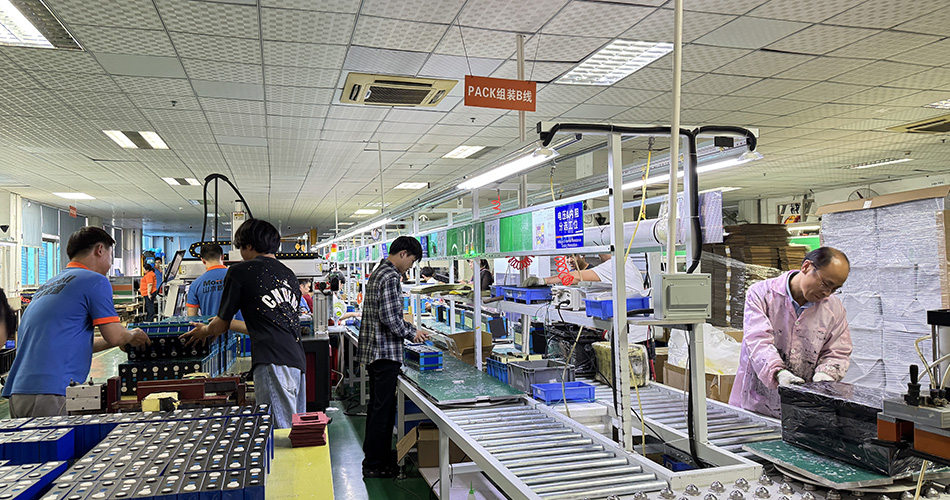
The 14650 cylindrical battery offers several advantages:
Compact Size: Its small form factor makes it ideal for portable devices.
Stable Voltage: Provides a consistent voltage output, essential for sensitive electronics.
Long Cycle Life: Capable of over 2000 cycles, ensuring longevity and reliability.
Safety: The LiFePO4 chemistry is known for its safety and thermal stability.
Eco-friendly: Rechargeable nature reduces the need for disposable batteries.
These benefits make the 14650 battery an attractive option for various applications, from consumer electronics to renewable energy storage solutions.
The versatility of the 14650 battery allows it to be used in numerous applications:
Consumer Electronics: Used in devices such as flashlights, cameras, and remote controls.
Medical Devices: Provides reliable power for portable medical equipment.
Renewable Energy Systems: Utilized in solar-powered systems and portable battery packs.
Toys and Gadgets: Offers safe and long-lasting power for various gadgets.
The 3.2V 14650 cylindrical battery is a testament to the advancements in battery technology. Its compact size, reliability, and efficiency make it a crucial component in today's portable power solutions. As technology continues to evolve, the demand for such batteries is expected to grow, making it essential for manufacturers to maintain high standards in production and quality control.
Understanding the specifications, manufacturing processes, and applications of the 14650 battery can help consumers and manufacturers alike make informed decisions in their pursuit of efficient energy solutions.
Whether you're a business looking to incorporate these batteries into your products or an individual seeking reliable power sources, the 14650 cylindrical battery is a proven choice. Its combination of size, performance, and safety ensures that it will remain a staple in the world of portable power for years to come.
48V 300Ah HESS Supplier: Voltage, Runtime and OEM Guide
48V 100Ah HESS Supplier: 5.12kWh Solar OEM Buying Guide
12.8V 200Ah Battery Pack Factory: OEM Sourcing Guide
Commercial HESS Supplier: Factory Microgrid Sizing Guide
51.2V HESS Battery Supplier: 100Ah to 314Ah Capacity Guide
12V LiFePO4 Battery Pack Manufacturer: 50Ah-314Ah OEM Guide
16kWh HESS Supplier: 51.2V 314Ah Buyer’s Guide
5kWh HESS Supplier: Indoor Modular Battery Buying Guide
Established in 2005
In 2009, it was awarded the title of "National High tech Enterprise"
 zoe@mottcell.net
WhatsApp: 8617388790296
Fax: 86-0755-84042963
Skype: live:b0ebaecbb8782516
WeChat: +8613428749632

 VR show
 CN
CN Home >


