
 Dec 30, 2025


In the world of rechargeable batteries, the 3.2V 14650 LiFePO4 battery stands out for its reliability, safety, and efficiency. Understanding the benefits of LiFePO4 technology and its applications can help you make informed decisions for your energy needs. In this article, we will explore the advantages of LiFePO4 batteries, compare them with other lithium technologies, and introduce you to the 3.2V 14650 LiFePO4 battery factory.
LiFePO4, or Lithium Iron Phosphate, is a type of lithium-ion battery technology known for its stability and safety. Unlike other lithium-ion batteries, LiFePO4 batteries use iron phosphate as a cathode material, providing several key benefits.
Safety: LiFePO4 batteries are renowned for their thermal and chemical stability, which reduces the risk of overheating and combustion. This makes them a safer option for various applications.
Long Cycle Life: These batteries have an extended cycle life, often exceeding 2,000 charge and discharge cycles. This longevity makes them cost-effective over time.
Environmentally Friendly: LiFePO4 batteries do not contain harmful heavy metals like lead or cadmium, making them more environmentally friendly compared to other battery types.
High Discharge Rate: They can deliver a high discharge rate, making them suitable for applications that require a quick burst of energy.
Low Self-Discharge Rate: LiFePO4 batteries have a low self-discharge rate, allowing them to retain their charge for extended periods when not in use.
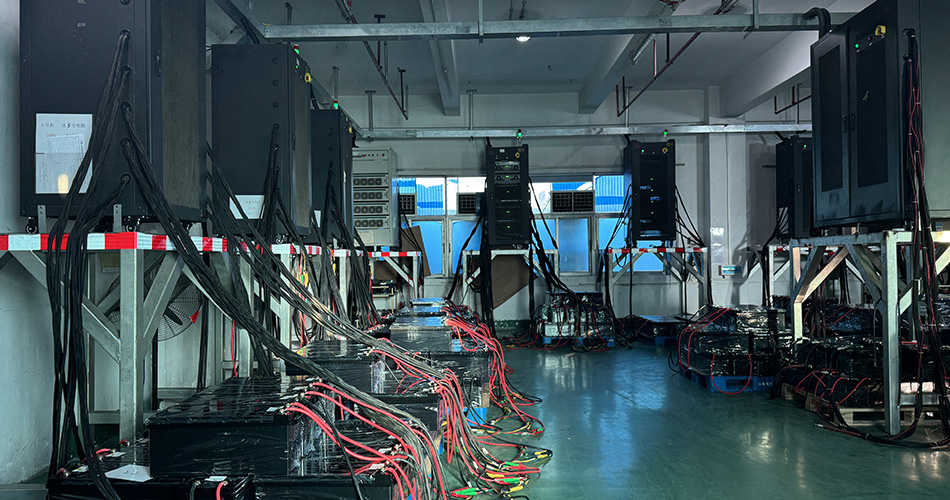
When choosing a battery, it's essential to understand the differences between LiFePO4 and other lithium technologies, such as Lithium Cobalt Oxide (LCO) and Lithium Manganese Oxide (LMO).
LiFePO4 vs. Lithium Cobalt Oxide (LCO)
Safety: LiFePO4 is safer due to its thermal stability, while LCO is more prone to overheating.
Cycle Life: LiFePO4 offers a longer cycle life compared to LCO.
Energy Density: LCO provides higher energy density, making it suitable for applications where weight and size are critical.
LiFePO4 vs. Lithium Manganese Oxide (LMO)
Safety: Both LiFePO4 and LMO are considered safe, but LiFePO4 has a slight edge in thermal stability.
Cycle Life: LiFePO4 generally has a longer cycle life than LMO.
Cost: LMO batteries tend to be cheaper, but they may not offer the same longevity and safety features as LiFePO4.
The 3.2V 14650 LiFePO4 battery is a cylindrical cell with a nominal voltage of 3.2 volts and a capacity that varies depending on the manufacturer. Its compact size and reliable performance make it suitable for various applications, from small electronics to larger energy storage systems.
Applications of 3.2V 14650 LiFePO4 Batteries
Portable Electronics: Due to their compact size and lightweight nature, these batteries are perfect for powering portable electronic devices like flashlights, cameras, and handheld gadgets.
Electric Vehicles (EVs): The safety and efficiency of LiFePO4 technology make it a popular choice for electric vehicles, providing reliable power for both personal and commercial EVs.
Renewable Energy Storage: LiFePO4 batteries are ideal for storing energy generated from renewable sources, such as solar panels and wind turbines, due to their long cycle life and stability.
Backup Power Systems: These batteries are commonly used in backup power systems, providing a reliable power source during outages.
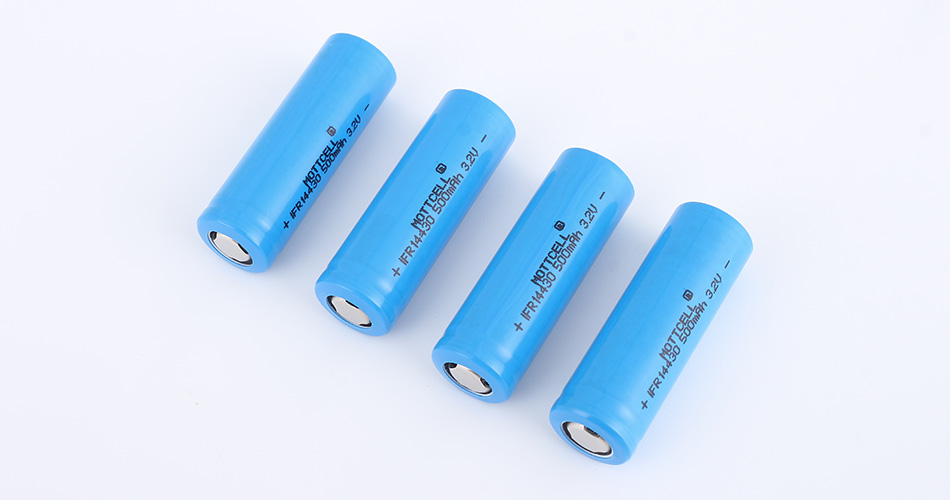
Manufacturing LiFePO4 batteries involves several steps to ensure quality and reliability. Here's a glimpse into the production process at a 3.2V 14650 LiFePO4 battery factory:
The process begins with preparing the raw materials, including lithium iron phosphate, graphite, and electrolytes. These materials are carefully measured and mixed to create the battery's components.
The next step involves producing the electrodes. The cathode material (LiFePO4) and the anode material (graphite) are coated onto metal foils, which are then dried and cut into specific sizes.
In the assembly stage, the electrodes are wound or stacked together with separators, forming the battery cell. The cell is then filled with electrolyte and sealed in a protective casing.
After assembly, the battery cells undergo a formation process, where they are charged and discharged to activate the chemical reactions. Each cell is tested for performance, capacity, and safety to ensure it meets quality standards.
Quality control is a critical aspect of battery manufacturing. Factories implement rigorous testing procedures to verify the safety, efficiency, and longevity of each battery before it leaves the facility.
LiFePO4 batteries, particularly the 3.2V 14650 model, offer an excellent combination of safety, efficiency, and longevity. Whether you're looking to power portable electronics, electric vehicles, or renewable energy systems, these batteries provide a reliable solution. Understanding the differences between LiFePO4 and other lithium technologies can help you make informed decisions for your energy needs. As technology advances, LiFePO4 batteries continue to play a vital role in various applications, offering a sustainable and efficient power source for the future.
48V 300Ah HESS Supplier: Voltage, Runtime and OEM Guide
48V 100Ah HESS Supplier: 5.12kWh Solar OEM Buying Guide
12.8V 200Ah Battery Pack Factory: OEM Sourcing Guide
Commercial HESS Supplier: Factory Microgrid Sizing Guide
51.2V HESS Battery Supplier: 100Ah to 314Ah Capacity Guide
12V LiFePO4 Battery Pack Manufacturer: 50Ah-314Ah OEM Guide
16kWh HESS Supplier: 51.2V 314Ah Buyer’s Guide
5kWh HESS Supplier: Indoor Modular Battery Buying Guide
Established in 2005
In 2009, it was awarded the title of "National High tech Enterprise"
 zoe@mottcell.net
WhatsApp: 8617388790296
Fax: 86-0755-84042963
Skype: live:b0ebaecbb8782516
WeChat: +8613428749632

 VR show
 CN
CN Home >


