
 Dec 30, 2025


The world of energy storage is rapidly evolving, and at the heart of this revolution lies the lithium iron phosphate (LiFePO4) battery. Known for its safety, efficiency, and longevity, this type of battery is increasingly becoming the preferred choice for energy storage solutions across various industries. Among the different sizes and configurations of LiFePO4 batteries, the 14650 model is gaining popularity for its versatility and performance.
In this article, we will delve into the workings of a 14650 LiFePO4 battery factory, explore the benefits of lithium iron phosphate technology, and understand why these batteries are the future of energy storage.
Lithium iron phosphate, or LiFePO4, batteries are a type of lithium-ion battery that uses iron phosphate as the cathode material. This technology offers several advantages over traditional lithium-ion batteries, including improved safety, longer cycle life, and better thermal stability. These attributes make LiFePO4 batteries an ideal choice for applications ranging from electric vehicles to renewable energy storage systems.
Safety: One of the standout features of LiFePO4 batteries is their safety profile. Unlike other lithium-ion batteries, they are less prone to thermal runaway, reducing the risk of fires and explosions.
Longevity: LiFePO4 batteries have a longer cycle life, often exceeding 2000 charge-discharge cycles. This longevity translates to reduced replacement costs and better return on investment.
Efficiency: These batteries offer high discharge rates and can maintain performance even under heavy loads. Their efficiency makes them suitable for high-demand applications.
Eco-friendly: LiFePO4 batteries are considered more environmentally friendly compared to other battery chemistries. They contain no toxic heavy metals and are easier to recycle.

The manufacturing of 14650 LiFePO4 batteries involves several key stages, each critical to ensuring the final product meets high safety and performance standards.
The process begins with the preparation of raw materials. Iron phosphate and lithium carbonate are the primary components used to create the cathode material. These materials are carefully measured and mixed to form a homogenous slurry, which is then coated onto aluminum foil to create the cathode sheets.
The next step involves producing the anode, typically made from graphite. Similar to the cathode, the anode material is mixed and coated onto copper foil. Both electrodes are then dried and cut into appropriate sizes.
In the cell assembly stage, the prepared electrodes are stacked or wound, separated by a porous separator. This assembly is then placed into a cylindrical casing, which defines the 14650 size specification. The casing is sealed to prevent any leakage of electrolytes.
The assembled cells are filled with an electrolyte solution, which facilitates the movement of ions within the battery. After filling, the cells undergo a formation process where they are charged and discharged under controlled conditions to stabilize the chemistry.
Before leaving the factory, each battery undergoes rigorous testing to ensure it meets performance and safety standards. This includes testing for capacity, voltage, and cycle life, as well as safety tests for thermal stability and short-circuit resistance.
The versatility of 14650 LiFePO4 batteries makes them suitable for a wide range of applications:
Portable Electronics: Due to their compact size and high energy density, these batteries are ideal for use in portable electronic devices such as flashlights and power banks.
Electric Vehicles: The automotive industry increasingly adopts LiFePO4 batteries for electric vehicles due to their safety and long cycle life.
Renewable Energy Storage: LiFePO4 batteries are also popular in solar and wind energy storage systems, where reliability and efficiency are paramount.
Industrial Use: In industrial settings, these batteries power tools, machinery, and backup systems, providing stable and long-lasting energy solutions.
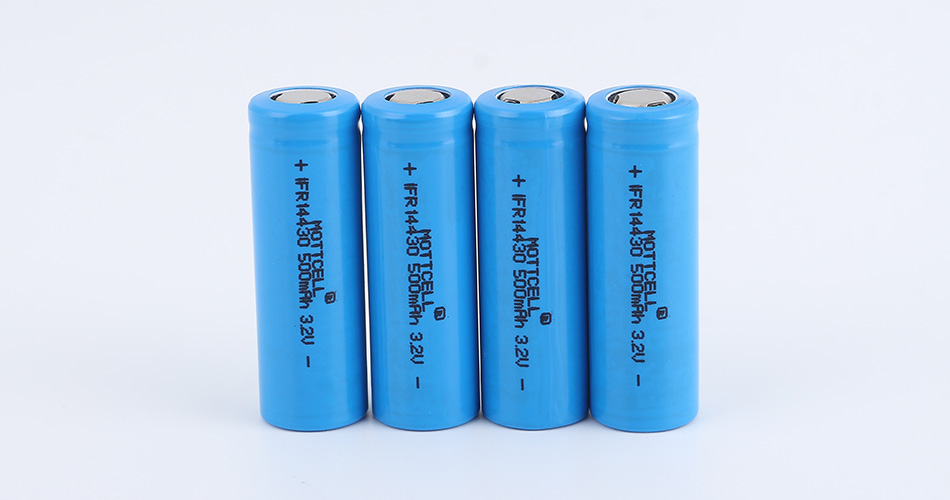
The demand for reliable and efficient energy storage solutions is only set to increase as the world moves towards greener energy sources. LiFePO4 technology, with its array of benefits, stands out as a promising solution for future energy needs.
Ongoing research and development in LiFePO4 technology continue to enhance its performance and broaden its application scope. Innovations such as improved electrode materials and advanced manufacturing techniques are paving the way for even more efficient batteries.
The global market for LiFePO4 batteries is expected to grow significantly in the coming years. Factors driving this growth include the rising adoption of electric vehicles, increasing investments in renewable energy, and the growing need for reliable backup power solutions.
The 14650 LiFePO4 battery factory is a hub of innovation and precision, producing batteries that are shaping the future of energy storage. With their exceptional safety, longevity, and efficiency, LiFePO4 batteries are poised to play a critical role in the transition to sustainable energy solutions.
As industries and consumers alike continue to seek out reliable and environmentally friendly energy storage options, the importance of lithium iron phosphate technology will only grow. By understanding the manufacturing process and applications of these batteries, we can better appreciate their potential to power a cleaner, more efficient future.
48V 300Ah HESS Supplier: Voltage, Runtime and OEM Guide
48V 100Ah HESS Supplier: 5.12kWh Solar OEM Buying Guide
12.8V 200Ah Battery Pack Factory: OEM Sourcing Guide
Commercial HESS Supplier: Factory Microgrid Sizing Guide
51.2V HESS Battery Supplier: 100Ah to 314Ah Capacity Guide
12V LiFePO4 Battery Pack Manufacturer: 50Ah-314Ah OEM Guide
16kWh HESS Supplier: 51.2V 314Ah Buyer’s Guide
5kWh HESS Supplier: Indoor Modular Battery Buying Guide
Established in 2005
In 2009, it was awarded the title of "National High tech Enterprise"
 zoe@mottcell.net
WhatsApp: 8617388790296
Fax: 86-0755-84042963
Skype: live:b0ebaecbb8782516
WeChat: +8613428749632

 VR show
 CN
CN Home >


