
 Dec 11, 2025


The demand for advanced battery technology is growing rapidly, and among the leading solutions is the lithium iron phosphate (LiFePO4) battery. In particular, the 3.2V 26650 LiFePO4 battery has gained popularity for its efficiency and reliability. This article delves into the significance of these batteries, their applications, and what goes on in a 3.2V 26650 LiFePO4 battery factory.
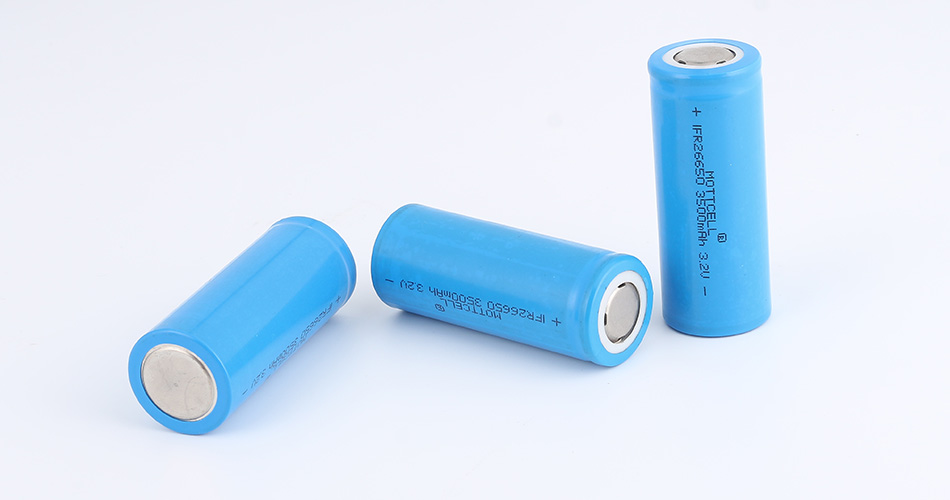
The 3.2V 26650 LiFePO4 battery is a type of rechargeable battery known for its long cycle life, safety, and stable performance. The "26650" refers to the battery's dimensions: 26mm in diameter and 65mm in length. These batteries are part of the lithium-ion family but use lithium iron phosphate as the cathode material, offering several advantages over traditional lithium-ion batteries.
Safety: LiFePO4 batteries are more stable and less prone to overheating, making them safer for various applications.
Longevity: They offer a longer lifespan with thousands of charge cycles, making them ideal for deep cycle applications.
Environmental Impact: These batteries are more environmentally friendly, as they contain non-toxic and non-hazardous materials.
Efficiency: LiFePO4 batteries provide consistent power output and have a low self-discharge rate.
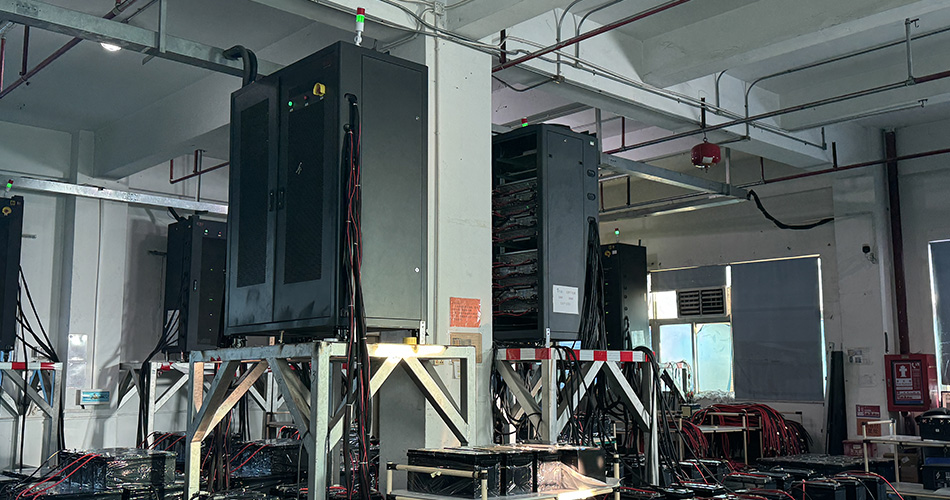
These batteries are versatile and find applications in a variety of sectors:
In solar and wind energy systems, 3.2V 26650 LiFePO4 batteries are used for energy storage. Their ability to handle deep discharge cycles makes them perfect for storing renewable energy and supplying power when the sun isn't shining or the wind isn't blowing.
Electric vehicles (EVs) require reliable and efficient batteries, and LiFePO4 batteries fit the bill. The 26650 cells are often used in electric bikes, scooters, and even some electric cars, providing a balance between power, weight, and cost.
For portable electronics, having a reliable power source is crucial. LiFePO4 batteries are used in power banks and other portable devices to provide a steady and safe power supply.
In uninterruptible power supplies (UPS) and other backup power systems, the dependability of LiFePO4 batteries ensures that critical systems remain operational during power outages.
Producing 3.2V 26650 LiFePO4 batteries involves several intricate processes to ensure quality and efficiency. Here’s a look at what happens inside a battery factory:
The manufacturing process begins with the preparation of raw materials. The key components include lithium iron phosphate for the cathode, carbon for the anode, and an electrolyte solution. These materials are carefully measured and mixed to form the electrode materials.
The mixed materials are coated onto metal foils to create the electrodes. The cathode and anode materials are applied to aluminum and copper foils, respectively. Once coated, the foils are dried to remove any solvents.
In the assembly stage, the dried electrodes are cut into precise sizes and stacked or wound into the cylindrical shape of the 26650 cell. This stage also involves inserting a separator between the electrodes to prevent short-circuiting.
After assembly, the cells are filled with electrolyte and sealed. The sealing process is crucial to ensure that the cells are airtight and can withstand the internal pressure during operation.
The final stage involves charging and discharging the cells to form the solid electrolyte interface, which is essential for battery performance. Once formed, the cells undergo rigorous testing to ensure they meet safety and performance standards.
Quality control is a critical component of battery manufacturing. Factories implement stringent testing protocols at every stage of production to ensure that each battery meets specific performance and safety criteria. This involves electrical testing, thermal testing, and visual inspections.
Safety Assurance: Testing helps identify potential defects that could lead to safety issues, such as leaks or short circuits.
Performance Verification: Ensures that the batteries deliver the expected capacity and power output.
Longevity: Testing helps verify that the batteries will perform reliably over their intended lifespan.
The future of LiFePO4 battery technology looks promising, with ongoing research aimed at improving energy density, reducing costs, and enhancing recyclability. As technology advances, these batteries will likely play an even more significant role in sustainable energy solutions and electric mobility.
Improved Energy Density: Research is focused on increasing the energy density of LiFePO4 batteries, making them more competitive with other battery types.
Cost Reduction: Innovations in materials and manufacturing processes aim to reduce costs and make LiFePO4 batteries more accessible.
Enhanced Recycling Techniques: Developing efficient recycling methods will contribute to the sustainability of LiFePO4 batteries.
The 3.2V 26650 LiFePO4 battery factory is a hub of innovation and efficiency, producing batteries that power a wide range of applications. From renewable energy storage to electric vehicles, these batteries are at the forefront of the move towards sustainable and reliable power solutions. With ongoing advancements in technology, the role of LiFePO4 batteries is set to expand, supporting a cleaner and more energy-efficient future.
48V 300Ah HESS Supplier: Voltage, Runtime and OEM Guide
48V 100Ah HESS Supplier: 5.12kWh Solar OEM Buying Guide
12.8V 200Ah Battery Pack Factory: OEM Sourcing Guide
Commercial HESS Supplier: Factory Microgrid Sizing Guide
51.2V HESS Battery Supplier: 100Ah to 314Ah Capacity Guide
12V LiFePO4 Battery Pack Manufacturer: 50Ah-314Ah OEM Guide
16kWh HESS Supplier: 51.2V 314Ah Buyer’s Guide
5kWh HESS Supplier: Indoor Modular Battery Buying Guide
Established in 2005
In 2009, it was awarded the title of "National High tech Enterprise"
 zoe@mottcell.net
WhatsApp: 8617388790296
Fax: 86-0755-84042963
Skype: live:b0ebaecbb8782516
WeChat: +8613428749632

 VR show
 CN
CN Home >


