
 Dec 11, 2025


In today's rapidly evolving technological landscape, the demand for efficient and reliable energy storage solutions is higher than ever. Among the various options available, lithium iron phosphate (LiFePO4) batteries have emerged as a preferred choice for many applications. Specifically, the 26650 LiFePO4 battery has gained popularity due to its unique advantages. In this article, we will explore the benefits of manufacturing 26650 LiFePO4 batteries and why they are a crucial component in the energy sector.
To understand the advantages of manufacturing 26650 LiFePO4 batteries, it's essential to first comprehend what they are. The term "26650" refers to the battery's dimensions, with a diameter of 26mm and a length of 65mm. LiFePO4 denotes the chemical composition of the battery, which is lithium iron phosphate. This composition is known for its stability and safety, making it an excellent choice for various applications.
Size and Shape: The compact size of 26650 batteries makes them suitable for devices where space is limited.
Energy Density: While LiFePO4 batteries have a slightly lower energy density compared to other lithium-ion batteries, they compensate with enhanced safety and longevity.
Voltage: These batteries typically operate at a nominal voltage of 3.2V, providing stable power output.
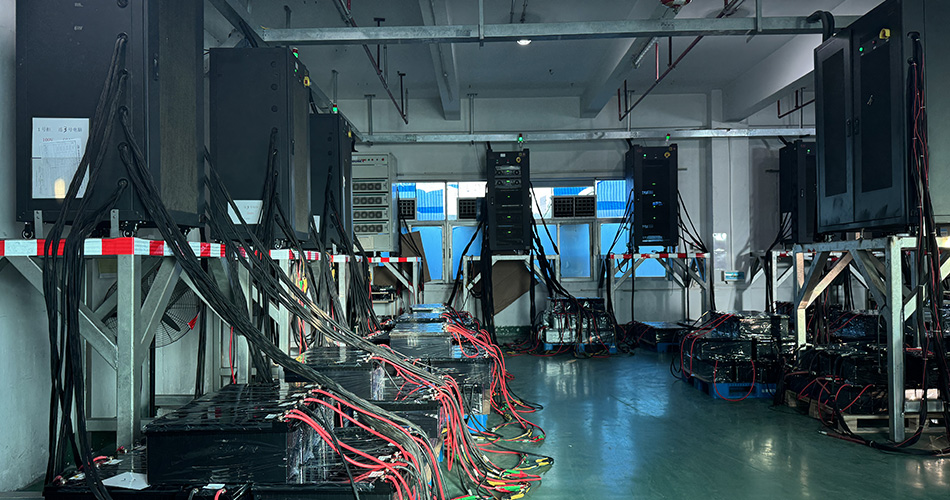
Lithium iron phosphate batteries offer several benefits over other lithium-ion batteries, primarily due to their unique chemistry. Here are some key advantages:
One of the most significant advantages of LiFePO4 batteries is their safety. Unlike other lithium-ion batteries, LiFePO4 does not overheat or catch fire easily. This is because the phosphate-based chemistry provides thermal and chemical stability, reducing the risk of thermal runaway. For manufacturers, this translates into fewer safety concerns during production and use.
LiFePO4 batteries are known for their long cycle life. They can endure thousands of charge and discharge cycles without significant capacity loss. This durability makes them an ideal choice for applications where frequent cycling is required, such as in electric vehicles and renewable energy storage systems.
The manufacturing and disposal of LiFePO4 batteries have a lower environmental impact compared to other battery types. They do not contain harmful heavy metals like lead or cadmium, making them easier to recycle and dispose of safely. This environmentally friendly aspect is increasingly important as industries strive to reduce their ecological footprint.
Understanding the manufacturing process of 26650 LiFePO4 batteries can shed light on why they are advantageous. The process involves several steps, each crucial to the final product's quality and performance.
The first step in manufacturing involves preparing the electrodes. This includes mixing the active materials, such as lithium iron phosphate for the cathode and graphite for the anode, with a binder and solvent. The mixture is then coated onto a conductive foil, dried, and pressed into a uniform thickness.
Once the electrodes are prepared, the next step is cell assembly. The cathode, separator, and anode are wound or stacked to form a cell. This cell is then placed into a cylindrical casing, which is hermetically sealed to prevent moisture ingress and electrolyte leakage.
The assembled cell is filled with an electrolyte solution, which facilitates the movement of ions between the electrodes during charging and discharging. The cell is then sealed to ensure long-term performance and safety.
After sealing, the battery undergoes a formation process, where it is charged and discharged several times to stabilize the internal structure. This step is followed by rigorous testing to ensure the battery meets all safety and performance standards before it is packaged and shipped.
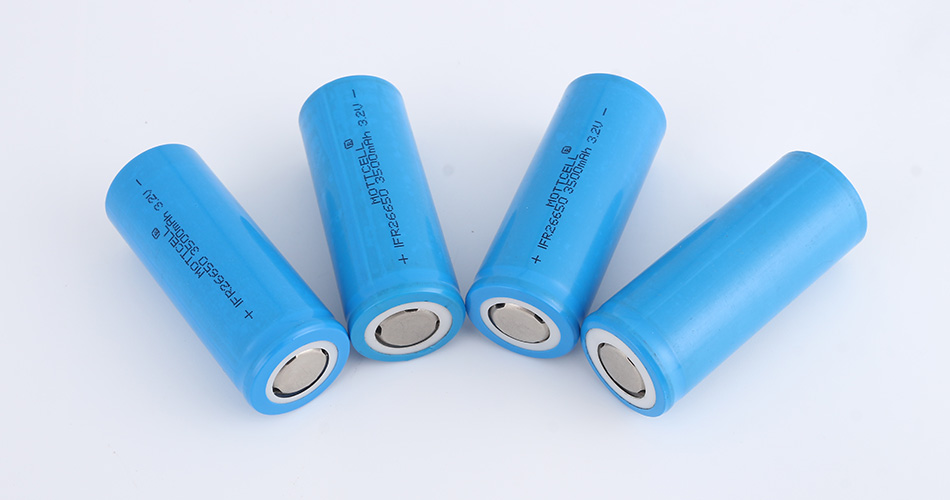
The versatility of 26650 LiFePO4 batteries makes them suitable for a wide range of applications. Here are some areas where they are commonly used:
The automotive industry is rapidly adopting LiFePO4 batteries for electric vehicles (EVs) due to their safety, longevity, and cost-effectiveness. The 26650 format offers a compact and efficient energy storage solution for EVs, contributing to longer driving ranges and reduced charging times.
LiFePO4 batteries are also ideal for renewable energy storage systems, such as solar and wind power. Their ability to withstand frequent cycling and high discharge rates makes them a reliable option for storing and supplying energy when needed.
In the realm of consumer electronics, 26650 LiFePO4 batteries are used in devices that require long-lasting and stable power sources. From flashlights to power tools, these batteries offer consistent performance and reliability.
The advantages of manufacturing 26650 LiFePO4 batteries are clear. With their enhanced safety, longevity, and environmental benefits, they represent a forward-thinking solution in the energy storage industry. As technology continues to advance and the demand for efficient energy solutions grows, 26650 LiFePO4 batteries will undoubtedly play a pivotal role in shaping the future of energy.
By understanding the benefits and manufacturing process of these batteries, industries can make informed decisions that align with their sustainability goals and meet the energy needs of tomorrow.
48V 300Ah HESS Supplier: Voltage, Runtime and OEM Guide
48V 100Ah HESS Supplier: 5.12kWh Solar OEM Buying Guide
12.8V 200Ah Battery Pack Factory: OEM Sourcing Guide
Commercial HESS Supplier: Factory Microgrid Sizing Guide
51.2V HESS Battery Supplier: 100Ah to 314Ah Capacity Guide
12V LiFePO4 Battery Pack Manufacturer: 50Ah-314Ah OEM Guide
16kWh HESS Supplier: 51.2V 314Ah Buyer’s Guide
5kWh HESS Supplier: Indoor Modular Battery Buying Guide
Established in 2005
In 2009, it was awarded the title of "National High tech Enterprise"
 zoe@mottcell.net
WhatsApp: 8617388790296
Fax: 86-0755-84042963
Skype: live:b0ebaecbb8782516
WeChat: +8613428749632

 VR show
 CN
CN Home >


