
 Dec 31, 2025


In the dynamic world of energy storage, lithium-ion batteries continue to revolutionize how we power our lives. Among these powerhouses, the 3.2V 14650 lithium-ion battery holds a unique place, offering a blend of compact size and reliable performance. Understanding the intricacies of these batteries can help industries and consumers alike make informed choices. This article delves into the 3.2V 14650 lithium-ion battery, exploring its specifications, advantages, and the role of specialized factories in their production.
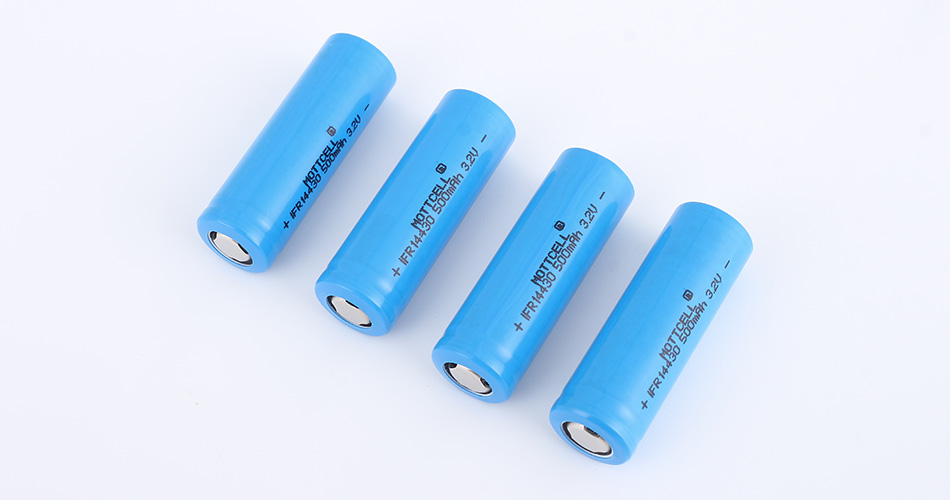
The 3.2V 14650 lithium-ion battery is a cylindrical cell known for its compact size and efficient energy storage capabilities. The term "14650" refers to the battery's dimensions: 14mm in diameter and 65mm in length. This size makes it ideal for applications where space is limited but power requirements are significant.
Understanding the specifications of the 3.2V 14650 lithium-ion battery is essential for its effective application:
Voltage: 3.2 volts, providing a stable energy output.
Capacity: Typically ranges from 600mAh to 1200mAh, depending on the manufacturer and specific application.
Chemistry: Often uses lithium iron phosphate (LiFePO4), known for its safety and long cycle life.
Cycle Life: Can reach up to 2000 cycles, making it a durable choice for long-term use.
Temperature Range: Operates efficiently between -20°C and 60°C, suitable for various environments.
One of the main advantages of the 3.2V 14650 battery is its compact size, which allows it to be used in devices where space is at a premium. Despite its small stature, it delivers a robust energy output, making it ideal for high-performance applications.
The lithium iron phosphate chemistry used in these batteries is renowned for its safety. Unlike other lithium-ion batteries, LiFePO4 cells are less prone to overheating and thermal runaway, providing peace of mind to users.
With the ability to undergo up to 2000 charge cycles, the 3.2V 14650 battery offers longevity that reduces the need for frequent replacements. This attribute is particularly beneficial in applications such as renewable energy systems, where long-term reliability is crucial.
Lithium iron phosphate batteries are considered more environmentally friendly than some other lithium-ion technologies due to their non-toxic and recyclable nature.
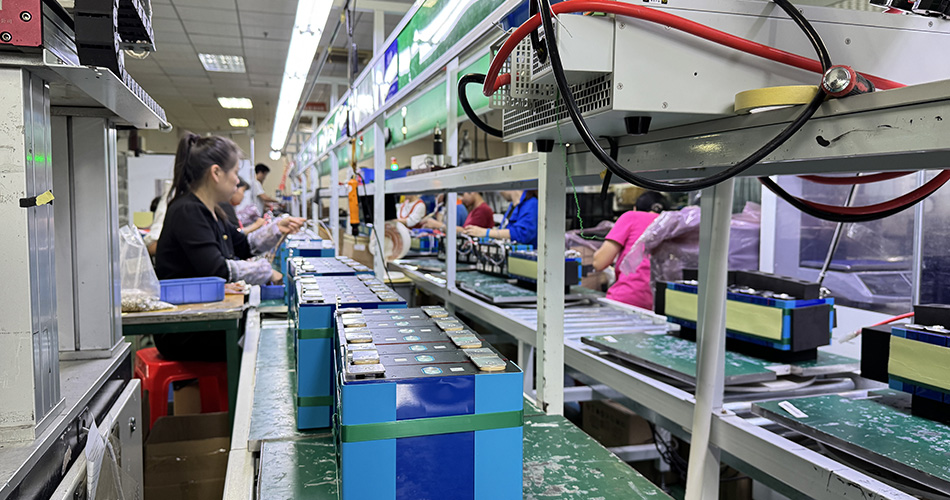
Factories dedicated to the production of 3.2V 14650 lithium-ion batteries play a critical role in maintaining quality and innovation. These facilities are equipped with advanced technology to ensure that every battery meets rigorous standards of safety and performance.
In these factories, quality control is paramount. Each battery undergoes extensive testing to ensure it meets the required specifications and performance metrics. This process includes tests for capacity, voltage stability, and safety features.
Battery factories are also hubs of innovation. As the demand for efficient and compact energy solutions grows, these facilities invest in research and development to enhance battery performance and introduce new features that meet emerging market needs.
The versatility of the 3.2V 14650 battery makes it suitable for a wide range of applications:
From flashlights to portable speakers, the compact size and reliable power output of the 3.2V 14650 battery make it a popular choice in consumer electronics.
In renewable energy systems, these batteries are used to store solar or wind energy, providing a stable and long-lasting power source.
While not typically used as the main battery in electric vehicles, the 3.2V 14650 cells can serve as auxiliary power sources for smaller functions within the vehicle.
In industrial settings, these batteries provide reliable backup power for critical systems, ensuring uninterrupted operation during power outages.
The future of 3.2V 14650 lithium-ion batteries is poised for growth as technology continues to advance. Factories are likely to focus on enhancing energy density, reducing costs, and improving the environmental sustainability of battery production.
Efforts are ongoing to increase the energy density of these batteries, allowing for longer usage times and greater power output without increasing the size.
As production techniques improve and economies of scale are realized, the cost of producing 3.2V 14650 batteries is expected to decrease, making them more accessible to a broader range of consumers and industries.
With growing awareness of environmental issues, battery factories are expected to adopt more sustainable practices, such as using recycled materials and improving energy efficiency in production processes.
The 3.2V 14650 lithium-ion battery is a remarkable innovation that combines compact design with powerful performance. Factories specializing in these batteries play a crucial role in ensuring quality and driving advancements in battery technology. As the demand for reliable and efficient energy storage solutions grows, the 3.2V 14650 battery is set to become an even more integral part of our technological landscape. With ongoing research and development, these batteries will continue to power a wide range of applications, from consumer electronics to renewable energy systems, paving the way for a more sustainable and energy-efficient future.
Leading 3.2V 16340 Cylindrical Battery Supplier for Industrial & Outdoor Applications
Leading 16340 Cylindrical Battery Supplier for IoT & Smart Device Solutions
16340 Cylindrical Battery Factory: Inside Lithium Production
3.2V 16340 Cylindrical Battery Guide: Safe Use & Charging
3.2V 16340 Cylindrical Battery: Safe CR123A Replacement
16340 cylindrical battery manufacturer
Top 3.2V 16340 Lithium Battery Supplier
Top 16340 Lithium Ion Battery Supplier Guide
Established in 2005
In 2009, it was awarded the title of "National High tech Enterprise"
 zoe@mottcell.net
WhatsApp: 8617388790296
Fax: 86-0755-84042963
Skype: live:b0ebaecbb8782516
WeChat: +8613428749632

 VR show
 CN
CN Home >


