
 Dec 19, 2025


In the world of energy storage, cylindrical batteries play a crucial role. These batteries are used in a wide range of applications, from small household gadgets to electric vehicles. Among these, the 18500 cylindrical battery stands out for its compact size and reliable performance. But what goes on behind the scenes in a factory that produces these powerhouses? Let's explore the battery production process, the types of cylindrical batteries, and specifically, what happens in an 18500 cylindrical battery factory.
Cylindrical batteries are named for their shape. They are round, tube-like, and have a consistent diameter and length. This design provides a robust structure, making them less likely to be damaged compared to other battery shapes.
Cylindrical batteries come in various sizes and chemistries. The most common types include:
AA and AAA Batteries: Widely used in household devices like remote controls and flashlights.
18650 Batteries: Popular in laptops and high-power devices like electric vehicles.
18500 Batteries: Slightly smaller than the 18650, these are used in compact devices that require a reliable power source.
Each type has its own unique advantages, depending on the application. For instance, the 18500 battery is valued for its balance between size and capacity, making it ideal for medium-sized electronics.

The production of cylindrical batteries involves several key steps, ensuring each battery meets the necessary safety and performance standards.
The production process begins with mixing the active materials. For lithium-ion batteries like the 18500, this involves lithium compounds along with other materials. The mixture is then coated onto metal foils to create electrodes.
Once the electrodes are prepared, they are assembled into a roll, known as a "jelly roll". This roll is crucial as it determines the efficiency and capacity of the battery. In a factory, automated machines handle this delicate process to ensure precision and consistency.
The jelly roll is inserted into a cylindrical metal casing. The casing acts as the battery's outer shell, providing protection and structural integrity. After insertion, the battery is sealed to prevent any leakage of the electrolytes.
Before being shipped, each battery undergoes an initial charge. This step activates the chemical reactions within the battery. Following charging, batteries are rigorously tested for quality assurance, ensuring they meet safety standards and performance expectations.
The 18500 battery, due to its specific size and application, requires specialized production techniques. Factories dedicated to producing these batteries are equipped with advanced machinery tailored to handle the precise requirements of the 18500 model.
The production of 18500 batteries involves:
Precision Winding: Ensuring the jelly roll is wound tightly to fit within the smaller casing of the 18500 model.
Quality Control: Since these batteries are often used in critical applications, stringent quality control measures are in place to detect any defects early in the production process.
Efficiency Optimization: Factories focus on maximizing the energy density and lifespan of the 18500 batteries, making them competitive in the market.
Automation plays a significant role in the production of 18500 batteries. Automated systems ensure that each battery is manufactured to exact specifications, reducing human error and increasing production speed. This is crucial in meeting the high demand for these batteries in various industries.
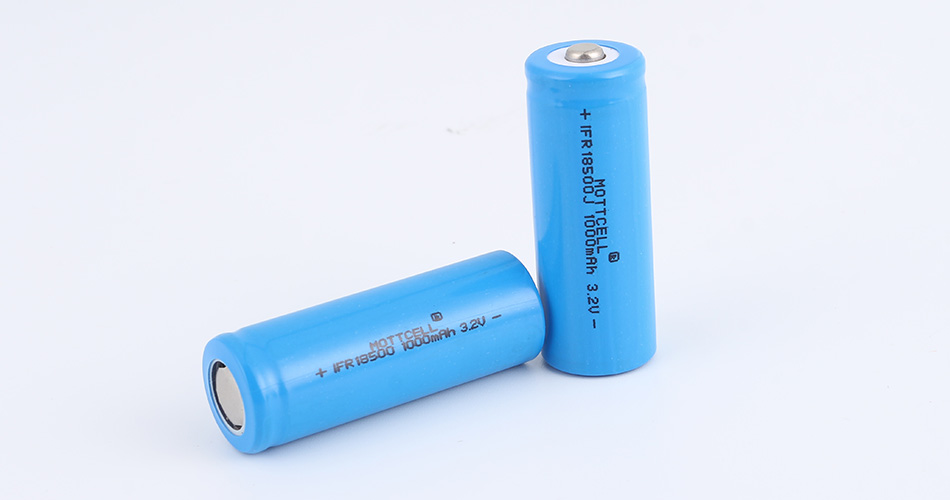
The 18500 cylindrical battery finds its applications in several fields due to its unique size and capacity.
Devices like flashlights, cameras, and portable speakers benefit from the 18500 battery's compact size and reliable power output. Its ability to deliver consistent power makes it a preferred choice for manufacturers of portable electronic devices.
In electric vehicles, 18500 batteries are often used in battery packs, providing the necessary power in a compact form. Similarly, power tools benefit from the battery's ability to deliver high power for extended periods.
In the medical field, the reliability of the 18500 battery is crucial. Devices such as portable medical equipment and monitoring devices rely on these batteries to function without interruption, ensuring patient safety and care.
While producing 18500 cylindrical batteries, factories encounter several challenges.
Securing a consistent supply of high-quality raw materials is essential. Fluctuations in material availability can impact production schedules and costs.
Battery production involves the use of chemicals that can be harmful to the environment. Factories are continuously seeking ways to minimize their environmental footprint through recycling and sustainable practices.
As technology advances, the demand for more efficient and longer-lasting batteries increases. Factories must continually innovate to keep up with these demands, investing in research and development to improve battery performance.
The 18500 cylindrical battery factory is a hub of innovation and precision. Through a detailed production process and specialized techniques, these factories produce batteries that power a wide range of applications, from consumer electronics to electric vehicles. Understanding the intricacies of battery production helps us appreciate the technology that powers our modern lives. As technology evolves, so too will the capabilities and applications of the 18500 cylindrical battery, driving new advancements in energy storage solutions.
Leading 3.2V 16340 Cylindrical Battery Supplier for Industrial & Outdoor Applications
Leading 16340 Cylindrical Battery Supplier for IoT & Smart Device Solutions
16340 Cylindrical Battery Factory: Inside Lithium Production
3.2V 16340 Cylindrical Battery Guide: Safe Use & Charging
3.2V 16340 Cylindrical Battery: Safe CR123A Replacement
16340 cylindrical battery manufacturer
Top 3.2V 16340 Lithium Battery Supplier
Top 16340 Lithium Ion Battery Supplier Guide
Established in 2005
In 2009, it was awarded the title of "National High tech Enterprise"
 zoe@mottcell.net
WhatsApp: 8617388790296
Fax: 86-0755-84042963
Skype: live:b0ebaecbb8782516
WeChat: +8613428749632

 VR show
 CN
CN Home >


