
 Nov 26, 2025


In the ever-evolving world of technology, batteries play a crucial role in powering our devices. One such battery that stands out is the 3.2V 14500 rechargeable battery. These lithium-ion batteries are popular for their efficiency and reliability. But what exactly goes into making these powerful energy sources? In this article, we will delve into the workings of a 3.2V 14500 rechargeable battery factory, exploring the manufacturing process, key features, and why they are a preferred choice for many.
Before we dive into the factory setup, it's essential to understand what a 14500 battery is and why it's so widely used.
The 14500 battery is a lithium-ion rechargeable cell that is similar in size to a standard AA battery. However, it packs a higher voltage and capacity, making it suitable for devices that require more power. The "14500" designation refers to its dimensions: 14mm in diameter and 50mm in length.
Lithium 14500 cells are favored for several reasons:
High Energy Density: They store more energy than other types of batteries of the same size.
Rechargeability: Unlike alkaline AA batteries, 14500 cells can be recharged multiple times, making them cost-effective and environmentally friendly.
Stable Voltage: The 3.2V output is consistent, ensuring your devices function smoothly.
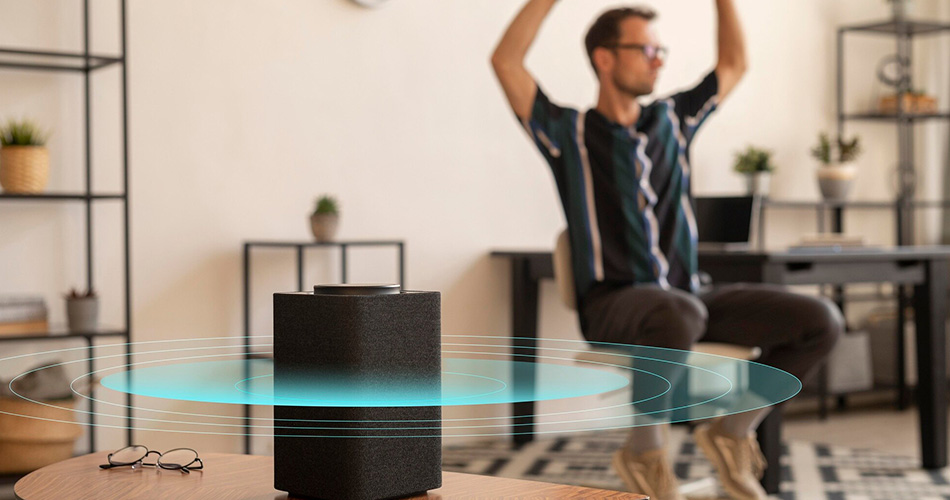
Let's take a tour inside a factory where these batteries are made to understand the intricate processes involved in their production.
The journey of a 14500 battery begins with the preparation of raw materials. This includes lithium metal, electrolyte solutions, and cathode and anode materials. Each component is carefully selected and processed to ensure high performance and safety standards.
The next step involves creating the electrodes—the heart of the battery. The cathode and anode materials are mixed with binders and solvents to form a slurry. This mixture is then coated onto metal foils, which act as the current collectors.
Once the electrodes are prepared, the assembly of the battery cells begins. This involves:
Stacking: The anode and cathode are stacked with separators in between to prevent short circuits.
Winding: The stacked components are wound into a cylindrical shape to fit into the battery casing.
After assembly, the battery cells are filled with an electrolyte solution, which facilitates the flow of ions between the electrodes. The cells are then sealed to prevent leakage and ensure longevity.
Before reaching consumers, the batteries undergo a "formation" process. This involves charging and discharging the cells to stabilize their chemistry. Post-formation, each battery is rigorously tested for performance, capacity, and safety.
Understanding the features of these batteries can help consumers make informed decisions.
3.2V 14500 batteries offer a reliable power source for high-drain devices such as flashlights, cameras, and some electronic gadgets. Their ability to maintain a stable voltage ensures consistent device performance.
One of the standout features of lithium 14500 cells is their long cycle life. They can endure hundreds of charge-discharge cycles, providing long-term value and reducing the need for frequent replacements.
Safety is paramount in battery manufacturing. 3.2V 14500 batteries come equipped with built-in protection circuits that prevent overcharging, overheating, and short-circuiting, safeguarding both the battery and the device it powers.
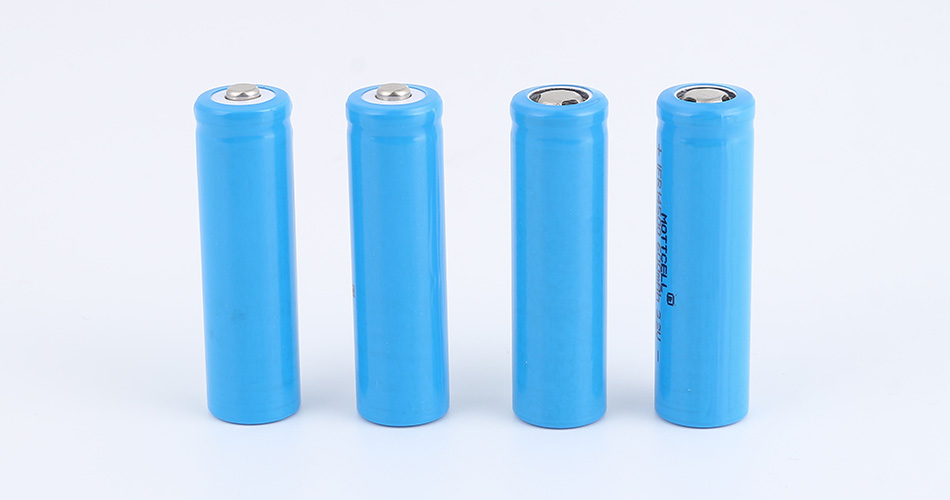
These versatile batteries find applications in various fields due to their robust features.
From remote controls to digital cameras, the 14500 battery is a common choice for powering everyday electronics. Its compact size and efficiency make it ideal for portable devices.
For outdoor enthusiasts and professionals, a reliable flashlight is crucial. 3.2V 14500 batteries provide the necessary power to keep high-lumen flashlights running for extended periods.
As renewable energy sources gain popularity, 14500 batteries are increasingly used in off-grid systems and solar-powered devices. Their ability to store energy efficiently makes them a preferred choice in sustainable energy solutions.
When selecting a 14500 battery, consider the following factors:
Opt for batteries from reputable manufacturers known for quality and reliability. This ensures you get a product that delivers consistent performance and safety.
Check the battery's capacity (measured in milliampere-hours or mAh) and voltage to ensure compatibility with your device. A higher capacity means longer usage times between charges.
Some 14500 batteries come with extra features such as built-in USB ports for easy charging or LED indicators to show charging status. Choose the features that best suit your needs.
The 3.2V 14500 rechargeable battery is a testament to advanced battery technology, offering high energy density, long cycle life, and safety. Understanding the manufacturing process and features of these batteries helps consumers make informed choices for their power needs. Whether for consumer electronics or renewable energy storage, the 14500 battery stands out as a reliable and efficient power source.
As technology continues to advance, the demand for efficient and reliable power solutions like the 3.2V 14500 rechargeable battery will only grow. By choosing quality batteries from reputable factories, consumers can ensure their devices run smoothly and efficiently.
Best 24V Battery Pack: ROI & Long-Term Value | Mottcell
24V Battery Pack: Industrial Power for AGV and Solar
24V Battery Pack Manufacturing: Grade A LiFePO4 Precision | Mottcell
Choosing the Best 12.8V Battery Pack: 10-Year ROI Guide | Mottcell
12.8V Battery Pack Manufacturing | 50Ah to 314Ah LiFePO4 | Mottcell
12.8V LiFePO4 Battery Performance: 50Ah-314Ah Specs | Mottcell
12.8V Battery Pack for RV, Marine & Solar | High-Capacity 314Ah | Mottcell
12V Lithium Battery Pack Guide | 100Ah, 200Ah, 280Ah to 314Ah
Established in 2005
In 2009, it was awarded the title of "National High tech Enterprise"
 zoe@mottcell.net
WhatsApp: 8617388790296
Fax: 86-0755-84042963
Skype: live:b0ebaecbb8782516
WeChat: +8613428749632

 VR show
 CN
CN Home >


