
 Dec 10, 2025


The world of batteries is vast and varied, with numerous options available for different needs. Among these, the 3.2V 26650 rechargeable battery stands out for its powerful performance and reliable energy supply. In this article, we will delve into the intricacies of the 3.2V 26650 rechargeable battery, explore its applications, and take a look inside the factories where they are produced.
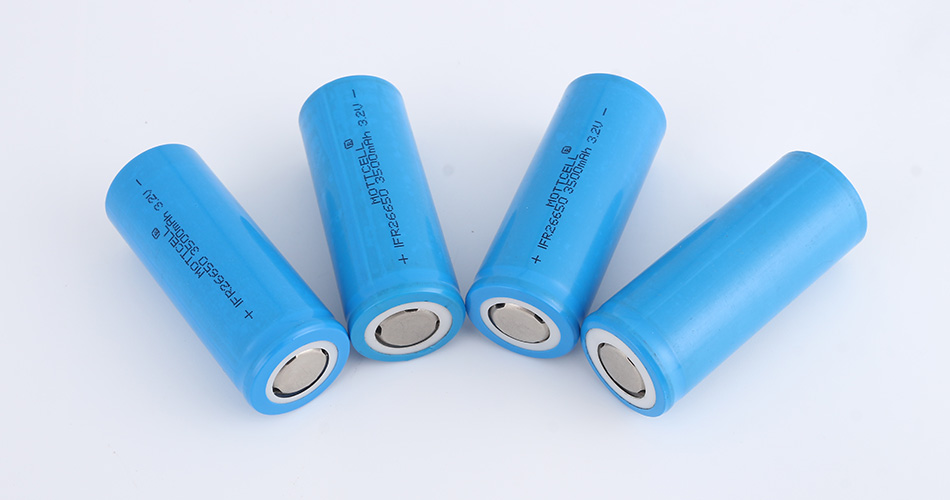
The 3.2V 26650 rechargeable battery is a lithium iron phosphate (LiFePO4) battery, known for its long life cycle, stability, and safety. These batteries are cylindrical in shape, similar to the more familiar AA batteries, but larger and more powerful.
Voltage: The nominal voltage of a 3.2V 26650 battery is 3.2 volts, which makes it a suitable option for high-drain devices.
Capacity: These batteries typically have a high capacity, ranging from 3000mAh to 5000mAh, allowing them to power devices for extended periods.
Size: The "26650" in its name refers to its dimensions – 26mm in diameter and 65mm in length.
Safety: LiFePO4 chemistry is renowned for its safety, reducing the risk of overheating and potential fires.
The 3.2V 26650 rechargeable battery is used in a variety of applications due to its high energy density and reliability. Common uses include:
Flashlights: High-lumen flashlights often require powerful batteries, making the 26650 a popular choice.
E-bikes: The battery's high capacity is ideal for electric bicycles, providing longer rides between charges.
Power Tools: Cordless power tools benefit from the battery’s ability to deliver consistent power output.
Solar Energy Storage: These batteries are often used in solar energy systems to store energy for later use.
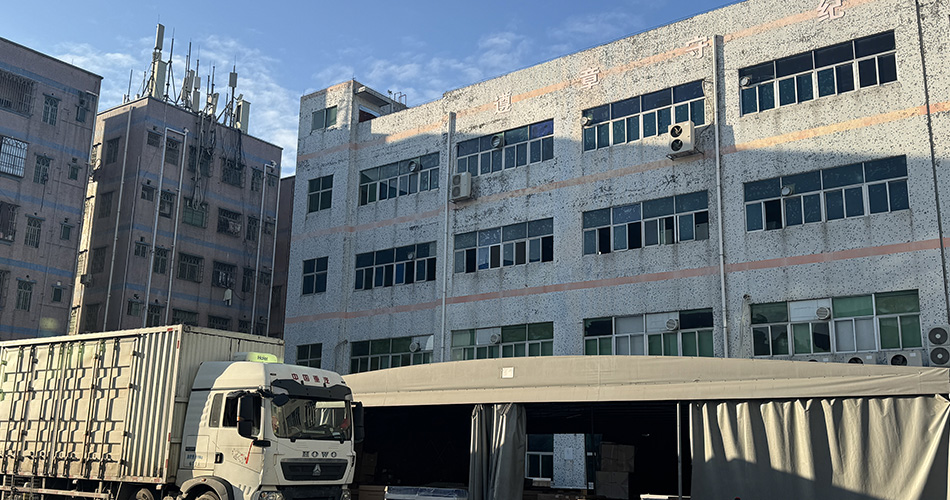
Producing 3.2V 26650 rechargeable batteries requires precision and attention to detail. Let's take a closer look at the process inside a typical factory.
Material Preparation: The process begins with preparing raw materials, including lithium iron phosphate, which is the key active material in these batteries.
Electrode Production: The next step involves coating aluminum and copper foils with the active material to create electrodes. These electrodes are then dried and cut to size.
Cell Assembly: The electrodes are assembled into cells. This involves winding or stacking them along with separators to form the core of the battery.
Electrolyte Filling: Once assembled, an electrolyte is added to the cell, which facilitates the movement of ions during charging and discharging.
Sealing and Testing: The cells are sealed to prevent leakage and then subjected to rigorous testing to ensure they meet quality standards.
Aging and Formation: Finally, the cells go through an aging process, where they are charged and discharged several times to stabilize performance.
Throughout the manufacturing process, quality control is paramount. Factories implement stringent quality checks to ensure that each battery meets safety and performance standards. This includes testing for capacity, voltage, and resistance, as well as visual inspections for defects.
When choosing a 3.2V 26650 rechargeable battery, it's important to consider several factors to ensure you select the best option for your needs.
Capacity and Runtime: Look for batteries with higher mAh ratings for longer usage times between charges.
Cycle Life: A good 26650 battery should offer a high number of charge cycles, indicating long-term durability.
Temperature Range: Consider the battery’s performance in different temperatures, especially if you plan to use it in extreme conditions.
Choosing a battery from a reputable manufacturer can make a significant difference. Established brands often provide more reliable products and better customer service.
While cost is a factor, it’s important to balance price with the value you receive. Sometimes investing in a slightly more expensive battery can lead to better performance and longer life.
The 3.2V 26650 rechargeable battery continues to be a popular choice for various applications due to its impressive performance and safety features. With ongoing advancements in battery technology, we can expect even greater efficiency and capacity in the future.
Whether you're powering a flashlight, an e-bike, or storing solar energy, understanding the capabilities and manufacturing processes behind these batteries can help you make informed decisions. By choosing high-quality 26650 batteries from reputable factories, you ensure that your devices run smoothly and efficiently, meeting your energy needs reliably.
In conclusion, the 3.2V 26650 rechargeable battery is a robust and versatile power source, and knowing what goes into making them can enhance your appreciation and selection of these essential components.
Certified 24V 200Ah Battery Factory: OEM & ODM Solutions
24V Battery Pack Manufacturing: Grade A LiFePO4 Precision | Mottcell
Best 24V Battery Pack: ROI & Long-Term Value | Mottcell
24V 300Ah Battery Pack Manufacturer: 2026 Energy Solutions
24V 314Ah Battery Packs: The 2026 Industrial Power Standard
24V 100Ah Battery Pack Factory: Top LiFePO4 Manufacturer
Wholesale 24V 50Ah Battery Packs: Reliable Sourcing with Global Certifications
24V Battery Pack: Industrial Power for AGV and Solar
Established in 2005
In 2009, it was awarded the title of "National High tech Enterprise"
 zoe@mottcell.net
WhatsApp: 8617388790296
Fax: 86-0755-84042963
Skype: live:b0ebaecbb8782516
WeChat: +8613428749632

 VR show
 CN
CN Home >


