
 Nov 26, 2025


In today's world, where technology is rapidly evolving, the demand for efficient and reliable power sources has never been higher. One of the key players in this realm is the 14500 rechargeable battery, a lithium-ion battery known for its compact size and high energy density. But have you ever wondered about the intricate processes and technology behind the production of these batteries? In this article, we will delve into the inner workings of a 14500 rechargeable battery factory, exploring the battery manufacturing process, the role of a lithium battery factory, and why these batteries are essential.
The production of 14500 rechargeable batteries is a complex and meticulous process. It involves several stages, each requiring precision and quality control to ensure the final product meets industry standards.
The journey of a 14500 rechargeable battery begins with the preparation of raw materials. Key components include lithium, cobalt, nickel, and manganese, which are essential for creating the cathode and anode materials. These raw materials are sourced from various suppliers and undergo rigorous quality checks to ensure purity and consistency.
The next step in the battery manufacturing process is electrode production. This involves mixing the raw materials with a solvent to create a slurry. The slurry is then coated onto a thin metal foil, typically aluminum for the cathode and copper for the anode. After coating, the electrodes are dried, compressed, and cut into the required shapes and sizes.
Once the electrodes are ready, the cell assembly process begins. The anode and cathode are stacked or wound together with a separator in between to prevent short-circuiting. This assembly is then placed into a cylindrical or prismatic casing, depending on the battery design. The casing is then filled with an electrolyte solution, which facilitates the flow of ions between the electrodes.
After assembly, the battery cells undergo a formation process, where they are charged and discharged multiple times. This step is crucial for stabilizing the battery's performance and ensuring it can hold and deliver charge effectively. Following formation, the cells are subjected to an aging process, where they are stored at controlled temperatures to enhance their lifespan and reliability.
Quality control is a critical aspect of the battery manufacturing process. Each battery cell undergoes a series of tests to assess its capacity, voltage, and overall performance. Any cells that do not meet the required specifications are discarded or recycled. This rigorous testing ensures that only the highest-quality batteries reach the market.

A lithium battery factory is a specialized facility designed to produce various types of lithium-ion batteries, including the 14500 rechargeable battery. These factories play a crucial role in meeting the growing demand for portable power sources across various industries.
Lithium battery factories are equipped with state-of-the-art technology and machinery to ensure efficient and precise production. Automated assembly lines, advanced coating machines, and high-precision cutting tools are just a few examples of the technology used to manufacture batteries. This technological prowess allows factories to produce batteries at scale while maintaining high quality and consistency.
Innovation is at the heart of every lithium battery factory. Research and development teams work tirelessly to improve battery performance, increase energy density, and reduce production costs. These advancements not only benefit consumers but also contribute to the sustainability of the industry by minimizing waste and environmental impact.
Lithium battery factories are part of a global supply chain that involves sourcing raw materials, manufacturing components, and distributing finished products. This interconnected network ensures that batteries are readily available to meet the needs of consumers worldwide, from powering smartphones to electric vehicles.
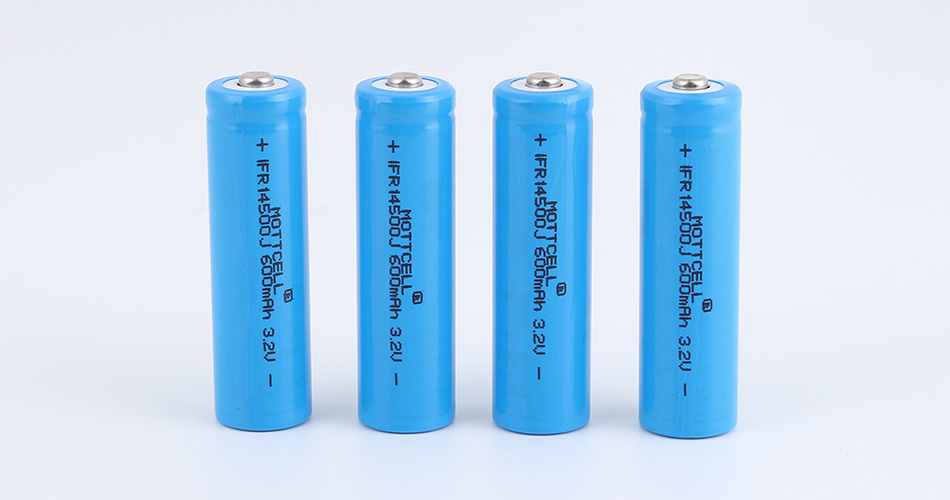
The 14500 rechargeable battery is a versatile power source used in a variety of applications, from flashlights to remote controls. Its compact size and high energy density make it an attractive option for devices that require long-lasting power in a small package.
One of the key advantages of rechargeable batteries like the 14500 is their environmental impact. Unlike disposable batteries, which contribute to landfill waste, rechargeable batteries can be used multiple times, reducing the need for frequent replacements. This not only conserves resources but also minimizes harmful emissions associated with battery production and disposal.
While the initial cost of a rechargeable battery may be higher than that of a disposable one, the long-term savings are significant. By reusing the same battery multiple times, consumers can save money and reduce their overall environmental footprint.
Rechargeable batteries are essential for supporting renewable energy sources such as solar and wind power. They store excess energy generated during peak production periods, which can then be used when production is low. This capability is crucial for creating a stable and reliable energy grid.
The 14500 rechargeable battery factory is a hub of innovation and precision, producing high-quality power sources that fuel our modern world. From the careful preparation of raw materials to the rigorous testing of finished products, every step of the battery manufacturing process is designed to ensure performance, reliability, and sustainability. As the demand for portable power continues to rise, these factories will play an increasingly important role in shaping the future of energy.
In a world that relies heavily on technology, understanding the intricacies of battery production helps us appreciate the effort and expertise that go into creating the power sources we often take for granted. Whether you're a consumer, a manufacturer, or an environmental advocate, the 14500 rechargeable battery is a testament to the remarkable capabilities of modern industry.
Related News
Battery Types: Alkaline vs Rechargeable Industrial Guide | Mottcell
14650 Rechargeable Battery Factory: Power & Innovation
26700 Rechargeable Battery Manufacturer for OEM Applications
4860 Rechargeable Battery Manufacturer for High-Performance OEM Packs Meta Description
10440 Rechargeable Battery Factory Insights
26700 Rechargeable Battery Manufacturer for OEM Applications
48V 300Ah HESS Supplier: Voltage, Runtime and OEM Guide
48V 100Ah HESS Supplier: 5.12kWh Solar OEM Buying Guide
12.8V 200Ah Battery Pack Factory: OEM Sourcing Guide
Commercial HESS Supplier: Factory Microgrid Sizing Guide
51.2V HESS Battery Supplier: 100Ah to 314Ah Capacity Guide
12V LiFePO4 Battery Pack Manufacturer: 50Ah-314Ah OEM Guide
16kWh HESS Supplier: 51.2V 314Ah Buyer’s Guide
5kWh HESS Supplier: Indoor Modular Battery Buying Guide
Established in 2005
In 2009, it was awarded the title of "National High tech Enterprise"
 zoe@mottcell.net
WhatsApp: 8617388790296
Fax: 86-0755-84042963
Skype: live:b0ebaecbb8782516
WeChat: +8613428749632

 VR show
 CN
CN Home >


