
 Nov 25, 2025


In today's fast-paced world, AA cylindrical batteries are an essential part of everyday life. From remote controls to flashlights, these small powerhouses keep our devices running smoothly. But have you ever wondered how they are made? Let's take a closer look at the battery production process, the technology behind AA batteries, and what goes on inside an AA cylindrical battery factory.
The production of AA cylindrical batteries involves several precise steps. Each phase is crucial to ensure the batteries are safe, efficient, and ready for consumer use. Here’s an overview of the main stages in the battery manufacturing process:
The first step in battery production is obtaining the necessary raw materials. Key components include zinc, manganese dioxide, and alkaline electrolytes. These materials form the core of the battery's chemical reaction, which generates electricity.
Once the raw materials are procured, they undergo processing to become battery components. Zinc is transformed into a powder, while manganese dioxide is finely ground. The electrolyte solution is prepared by mixing alkaline substances.
On the assembly line, the battery components come together. Each battery has a metal casing, which is the cylindrical shape we recognize. Inside this casing, the anode (zinc) and cathode (manganese dioxide) are separated by a layer soaked in electrolyte. This creates the necessary conditions for electricity generation.
After the components are assembled, the battery is sealed to prevent leaks. Rigorous testing follows, ensuring each battery meets quality standards. This includes checking for correct voltage levels and ensuring the battery can safely operate without overheating or leaking.
AA batteries might seem simple, but they rely on sophisticated technology. Understanding the science behind these power sources can enhance our appreciation of their design and functionality.
At the heart of an AA battery is an electrochemical reaction. When the battery is in use, zinc at the anode releases electrons, while manganese dioxide at the cathode accepts them. This flow of electrons from the anode to the cathode through an external circuit provides power to the connected device.
Most AA batteries are alkaline, known for their long-lasting power and reliability. The alkaline electrolyte enhances the efficiency of the electron flow, allowing for a steady power supply until the battery is depleted.
Battery technology continues to evolve, with research focused on increasing energy density and reducing environmental impact. Newer AA batteries may incorporate advanced materials that extend life and improve performance, all while being more eco-friendly.
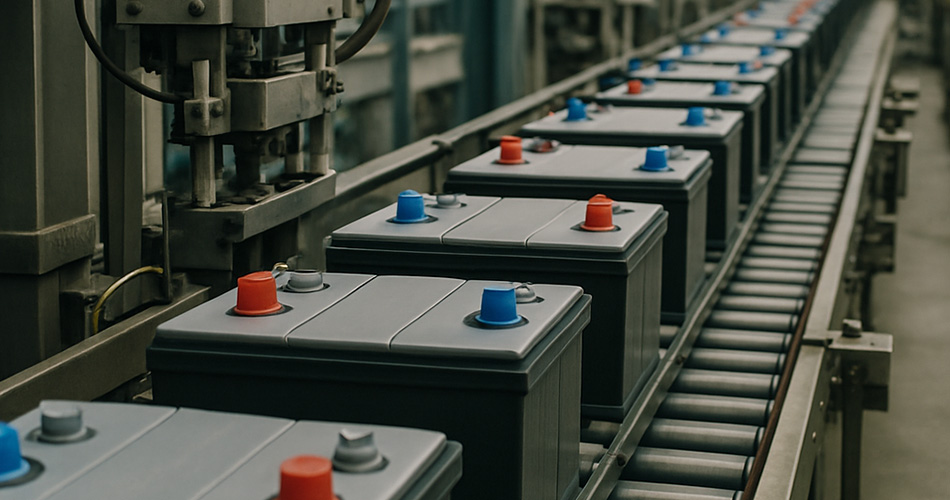
Visiting an AA cylindrical battery factory reveals an orchestrated dance of machinery and human expertise. The environment is a blend of high-tech equipment and skilled labor, ensuring every battery meets strict quality criteria.
Factories use automated systems to enhance precision and efficiency. Machines handle tasks such as component assembly, electrolyte filling, and battery sealing. Automation reduces human error and increases the speed of production, allowing factories to meet high consumer demands.
Quality control is a top priority in battery manufacturing. Factories implement stringent protocols to test each battery batch. This includes checking for defects, verifying performance, and ensuring compliance with safety standards.
Modern battery factories are also conscious of their environmental footprint. Efforts to reduce waste, recycle materials, and minimize energy consumption are integral to factory operations. Many factories have adopted green practices to ensure sustainable production.
As technology advances, so does the future of battery manufacturing. The industry is on the cusp of several exciting developments:
Research into new materials and technologies promises to extend battery life significantly. This means fewer battery replacements and more convenience for consumers.
With environmental concerns gaining prominence, the battery industry is investing in eco-friendly alternatives. This includes using recyclable materials and developing batteries with reduced chemical waste.
The integration of smart technology into batteries could revolutionize their functionality. Imagine batteries that communicate their charge status to your smartphone or automatically adjust their power output based on device needs.
The journey of an AA cylindrical battery from raw materials to a finished product is a fascinating process that combines chemistry, technology, and precision engineering. As consumers, we benefit from the reliable power these batteries provide, often without considering the complex production process involved.
Understanding the intricacies of battery production helps us appreciate the innovation behind these everyday essentials. As technology continues to evolve, the future holds promise for even more efficient, sustainable, and smart battery solutions. Whether powering a child's toy or an emergency flashlight, AA cylindrical batteries remain a vital component of modern life.
Contact us for a custom [cylindrical battery pack solution]
Related News
Reliable Rechargeable Battery Solutions for Industrial Applications
Cylindrical Battery Solutions: Custom Cell Sourcing for OEM Projects
Top Cylindrical Battery Manufacturer: Li-ion & LiFePO4 Cells | Mottcell
Efficient 14650 Cylindrical Battery Factory Insights
Reliable 32650 Cylindrical Battery Factory for OEM Cells and Packs
AAA Cylindrical Battery Factory: 3.2V LiFePO4 Specialized Production Base
18500 Cylindrical Battery Factory Insights
22650 Cylindrical Battery Factory for OEM Cell and Pack Supply
26700 Lithium Ion Battery Manufacturer for OEM Applications
2V 10440 Battery: Find Top Cylindrical Battery Factory
14430 Cylindrical Battery Manufacturing Insights
48V 300Ah HESS Supplier: Voltage, Runtime and OEM Guide
48V 100Ah HESS Supplier: 5.12kWh Solar OEM Buying Guide
12.8V 200Ah Battery Pack Factory: OEM Sourcing Guide
Commercial HESS Supplier: Factory Microgrid Sizing Guide
51.2V HESS Battery Supplier: 100Ah to 314Ah Capacity Guide
12V LiFePO4 Battery Pack Manufacturer: 50Ah-314Ah OEM Guide
16kWh HESS Supplier: 51.2V 314Ah Buyer’s Guide
5kWh HESS Supplier: Indoor Modular Battery Buying Guide
Established in 2005
In 2009, it was awarded the title of "National High tech Enterprise"
 zoe@mottcell.net
WhatsApp: 8617388790296
Fax: 86-0755-84042963
Skype: live:b0ebaecbb8782516
WeChat: +8613428749632

 VR show
 CN
CN Home >


