
 Dec 05, 2025


In the ever-evolving world of technology, lithium iron phosphate (LiFePO4) batteries have become a cornerstone of energy storage solutions. With their increasing demand, especially in electric vehicles, understanding the production and impact of these batteries is crucial. This article delves into the workings of a 10440 LiFePO4 battery factory, shedding light on the production processes, benefits, and applications of these batteries.
Lithium iron phosphate batteries, or LiFePO4, are a type of rechargeable battery known for their stability and safety. Unlike other lithium-ion batteries, LiFePO4 batteries use phosphate as a cathode material, which provides several advantages:
Safety: They are less prone to overheating and are considered one of the safest lithium battery chemistries.
Long Cycle Life: These batteries can withstand thousands of charge and discharge cycles.
Environmental Friendliness: They contain no toxic heavy metals, making them more eco-friendly.
The 10440 LiFePO4 battery is a specific size and configuration, resembling the AAA battery in shape but offering the benefits of lithium iron phosphate chemistry. These batteries are often used in devices that require a compact size but need reliable and safe power sources, such as flashlights and small electronics.
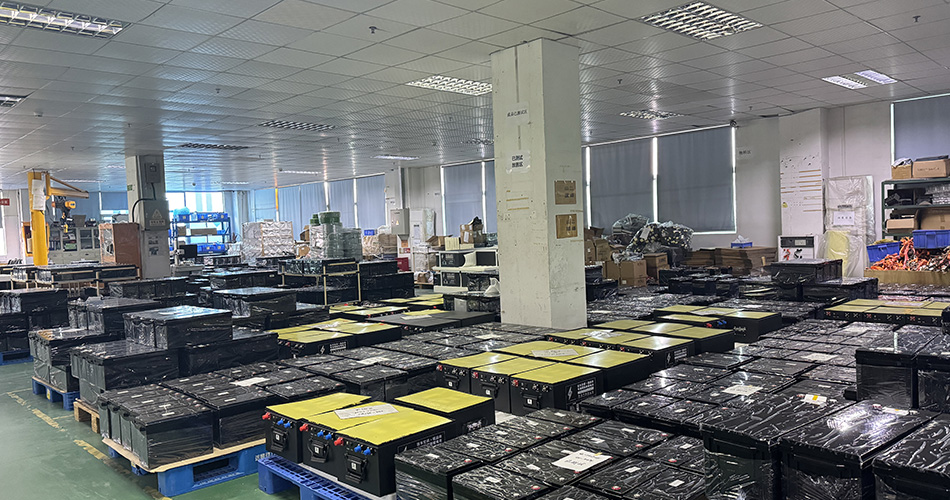
A 10440 LiFePO4 battery factory is a hub of advanced technology and precise engineering. The production of these batteries involves several key stages:
The process begins with sourcing high-quality raw materials. The main components include lithium iron phosphate, carbon, and lithium salts. The purity and quality of these materials directly impact battery performance.
Once the materials are sourced, they are processed to create the battery's electrodes. This involves mixing the lithium iron phosphate with conductive carbon and a binder to form a slurry. This slurry is then spread onto a metal foil, which acts as a current collector.
After the electrodes are prepared, the next step is cell assembly. This involves stacking or winding the electrodes with a separator to create the battery cell. The separator is a critical component that prevents short circuits by keeping the anode and cathode apart.
The assembled cells are then filled with an electrolyte solution. This solution is crucial as it facilitates the movement of lithium ions between the electrodes during charging and discharging.
Once the cells are filled, they undergo a formation process, where they are charged and discharged to ensure proper function. Following this, rigorous testing is conducted to verify the battery’s capacity, voltage, and safety features.
Quality control is pivotal in a 10440 LiFePO4 battery factory. Each stage of production is monitored to ensure the batteries meet strict safety and performance standards. Quality control measures include:
Material Inspection: Ensuring raw materials meet the required specifications.
Process Monitoring: Regular checks during each manufacturing stage to maintain consistency.
Final Testing: Comprehensive testing of finished batteries to ensure they meet performance criteria.
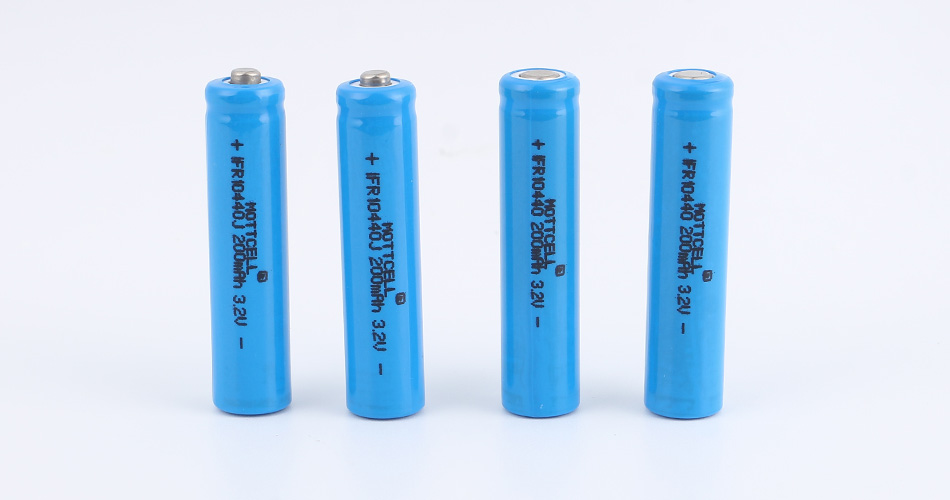
The versatility of 10440 LiFePO4 batteries makes them ideal for various applications:
Portable Electronics: Their compact size and stable performance make them perfect for flashlights, remote controls, and small gadgets.
Electric Vehicles: While larger LiFePO4 batteries are more common in EVs, the principles applied to 10440 batteries are similar, emphasizing safety and longevity.
Renewable Energy Storage: Their long cycle life makes them suitable for storing solar or wind energy.
As the demand for sustainable energy solutions grows, the role of LiFePO4 batteries in powering the future becomes more significant. Factories producing these batteries will likely see advancements in technology and production methods, leading to:
Increased Efficiency: Automation and improved production techniques will reduce costs and increase output.
Enhanced Performance: Ongoing research may lead to batteries with even longer life cycles and higher energy densities.
Broader Applications: As technology evolves, new uses for these batteries will emerge, further integrating them into daily life.
The 10440 LiFePO4 battery factory is a vital component in the journey toward sustainable energy solutions. By producing safe, reliable, and environmentally friendly batteries, these factories play a crucial role in the global shift towards green technology. With continued innovation and commitment to quality, the future of LiFePO4 batteries looks bright, promising significant contributions to the energy sector and beyond.
Understanding the intricacies of their production not only highlights their current applications but also sets the stage for their expanding role in tomorrow's energy solutions.
Best 24V Battery Pack: ROI & Long-Term Value | Mottcell
24V Battery Pack: Industrial Power for AGV and Solar
24V Battery Pack Manufacturing: Grade A LiFePO4 Precision | Mottcell
Choosing the Best 12.8V Battery Pack: 10-Year ROI Guide | Mottcell
12.8V Battery Pack Manufacturing | 50Ah to 314Ah LiFePO4 | Mottcell
12.8V LiFePO4 Battery Performance: 50Ah-314Ah Specs | Mottcell
12.8V Battery Pack for RV, Marine & Solar | High-Capacity 314Ah | Mottcell
12V Lithium Battery Pack Guide | 100Ah, 200Ah, 280Ah to 314Ah
Established in 2005
In 2009, it was awarded the title of "National High tech Enterprise"
 zoe@mottcell.net
WhatsApp: 8617388790296
Fax: 86-0755-84042963
Skype: live:b0ebaecbb8782516
WeChat: +8613428749632

 VR show
 CN
CN Home >


