
 Dec 08, 2025


When it comes to powering a wide range of devices, lithium-ion batteries have become the go-to choice for many manufacturers and consumers alike. Among these, the 3.2V 10440 lithium-ion battery stands out for its compact size and reliability. But what goes into making these batteries, and who are the key players in their production? In this article, we will explore the world of 3.2V 10440 lithium-ion battery manufacturers, highlighting their processes and impact on the industry.
Lithium-ion batteries have revolutionized the way we power our electronic devices. Their lightweight design, high energy density, and long cycle life make them ideal for everything from smartphones to electric vehicles. The 3.2V 10440 lithium-ion battery is particularly popular in smaller devices like flashlights and laser pointers due to its compact size and efficient power output.
Compact Size: The 10440 battery is similar in size to a standard AAA battery, making it perfect for small devices.
High Energy Density: Despite its small size, it packs a powerful punch, providing reliable power for various applications.
Long Cycle Life: These batteries can be recharged hundreds of times without significant loss in capacity.
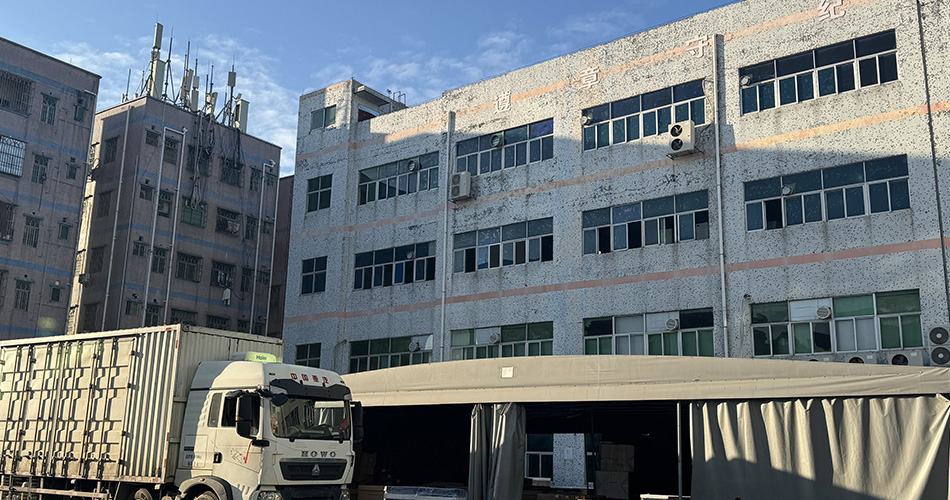
Battery manufacturing is a complex process that involves several stages, from raw material sourcing to final assembly and testing. Manufacturers need to adhere to strict quality control standards to ensure the safety and performance of their batteries.
The production of lithium-ion batteries begins with sourcing high-quality raw materials. Lithium, cobalt, nickel, and manganese are some of the key elements used in the cathode, while graphite is commonly used for the anode. Ensuring the purity and sustainability of these materials is crucial for the overall quality of the battery.
In this stage, the raw materials are processed to create the cathode and anode sheets. These sheets are then coated with a thin layer of electrolyte, which facilitates the movement of ions between the electrodes. The quality of the electrode materials directly affects the battery's performance and lifespan.
Once the electrodes are prepared, they are assembled into cells. The cells are the building blocks of the battery, and their configuration can vary depending on the desired voltage and capacity. For the 3.2V 10440 lithium-ion battery, cells are typically arranged in a cylindrical format.
After assembly, batteries undergo rigorous testing to ensure they meet safety and performance standards. This includes checking for proper voltage output, capacity retention, and resistance to external factors like temperature and pressure. Quality control is an essential part of the manufacturing process to prevent defects and ensure customer satisfaction.
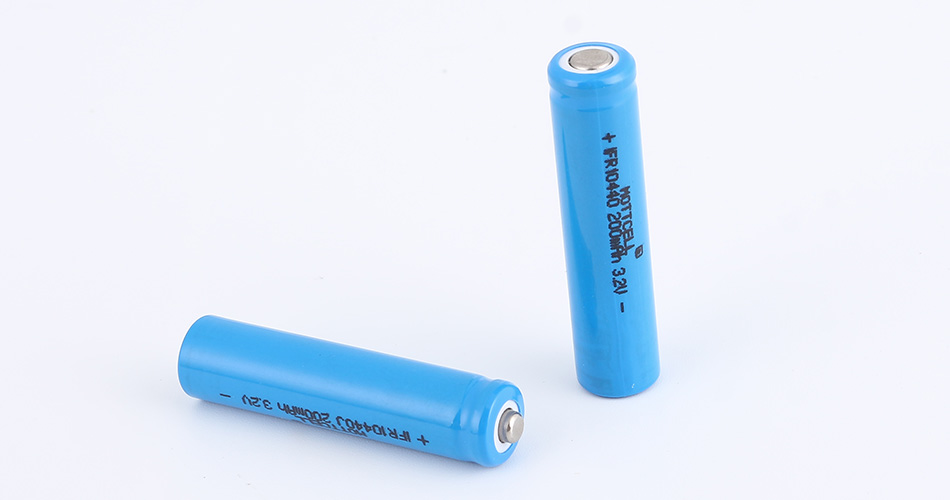
Several companies specialize in the production of 3.2V 10440 lithium-ion batteries, each offering unique advantages in terms of quality, innovation, and sustainability.
Company A has established itself as a leader in battery technology, focusing on sustainable production methods and cutting-edge research. They have developed proprietary techniques to enhance the energy density and cycle life of their batteries, making them a preferred choice for manufacturers seeking reliable power solutions.
Known for their stringent quality control measures, Company B ensures that every battery meets international safety standards. Their dedication to excellence has earned them a reputation for producing some of the most reliable 3.2V 10440 lithium-ion batteries on the market.
Company C is at the forefront of sustainable battery manufacturing, utilizing eco-friendly materials and processes to minimize their environmental impact. Their innovative approach not only reduces carbon emissions but also enhances the performance and longevity of their batteries.
As technology continues to advance, the demand for efficient and sustainable energy solutions will only grow. Lithium-ion battery manufacturers are poised to meet this demand by investing in research and development to improve battery performance and reduce environmental impact.
Research is underway to develop new materials and configurations that could significantly enhance the capabilities of lithium-ion batteries. This includes exploring solid-state batteries, which promise higher energy densities and improved safety features.
Manufacturers play a critical role in shaping the future of energy storage. By prioritizing sustainable practices and innovative solutions, they can help reduce the environmental footprint of battery production and contribute to a cleaner, greener future.
The 3.2V 10440 lithium-ion battery is a testament to the incredible advancements in battery technology. Manufacturers continue to push the boundaries of what's possible, delivering reliable and efficient power solutions for a wide range of applications. As we look to the future, the commitment to quality, safety, and sustainability will remain at the forefront of battery manufacturing, ensuring that we meet the growing energy needs of the world.
Whether you are a consumer looking for reliable batteries for your devices or a manufacturer seeking a trusted partner, understanding the landscape of 3.2V 10440 lithium-ion battery manufacturing can help you make informed decisions and stay ahead in this dynamic industry.
24V Battery Pack: Industrial Power for AGV and Solar
24V Battery Pack Manufacturing: Grade A LiFePO4 Precision | Mottcell
Choosing the Best 12.8V Battery Pack: 10-Year ROI Guide | Mottcell
12.8V Battery Pack Manufacturing | 50Ah to 314Ah LiFePO4 | Mottcell
12.8V LiFePO4 Battery Performance: 50Ah-314Ah Specs | Mottcell
12.8V Battery Pack for RV, Marine & Solar | High-Capacity 314Ah | Mottcell
12V Lithium Battery Pack Guide | 100Ah, 200Ah, 280Ah to 314Ah
12V Lithium Battery Pack Manufacturer | 100Ah-314Ah Custom Solutions
Established in 2005
In 2009, it was awarded the title of "National High tech Enterprise"
 zoe@mottcell.net
WhatsApp: 8617388790296
Fax: 86-0755-84042963
Skype: live:b0ebaecbb8782516
WeChat: +8613428749632

 VR show
 CN
CN Home >


