
 Dec 04, 2025


The world is increasingly shifting towards sustainable and renewable energy solutions, and rechargeable batteries are at the heart of this transformation. Among the various types of rechargeable batteries, the 10440 lithium-ion battery has emerged as a popular choice due to its compact size and powerful performance. In this article, we will explore the ins and outs of a 10440 rechargeable battery factory, focusing on the manufacturing process, the significance of lithium cells, and the overall production dynamics.
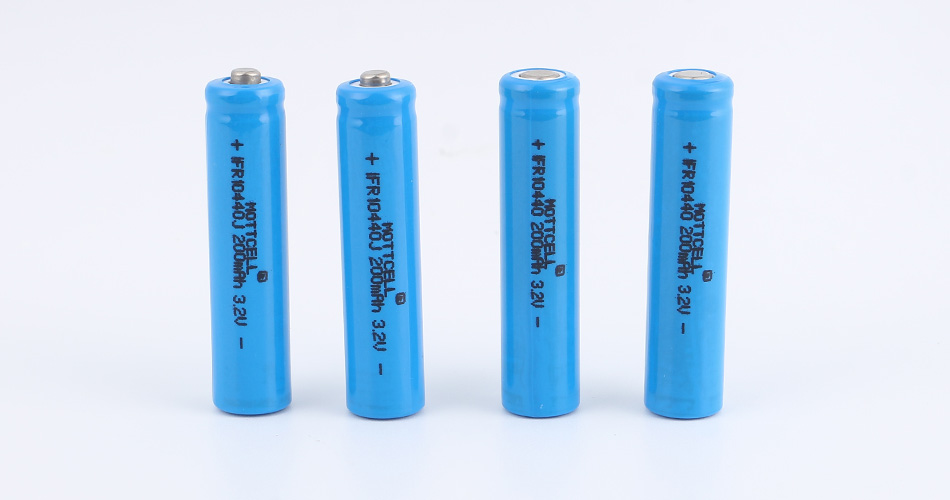
The 10440 battery is a cylindrical lithium-ion cell, similar in size to a AAA battery. Its compact size makes it ideal for small electronic devices, such as flashlights, laser pointers, and other portable gadgets. Despite its small size, the 10440 battery packs a punch in terms of energy density and output, making it a preferred choice for many applications.
Lithium cells are the building blocks of modern rechargeable batteries. Known for their high energy density, long cycle life, and lightweight nature, lithium cells have revolutionized the portable electronics industry. The 10440 battery, being a lithium-ion variant, benefits from these advantages, offering efficient energy storage and reliable performance.
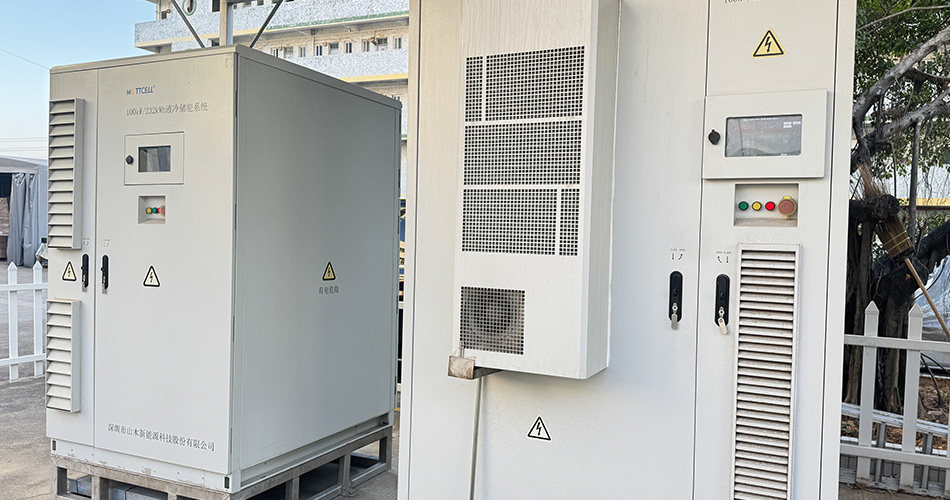
Producing a 10440 rechargeable battery involves a series of meticulous steps to ensure quality and efficiency. Let's delve into the core processes that take place in a battery factory.
The journey begins with selecting high-quality raw materials. Lithium, cobalt, nickel, and manganese are some of the key elements used in the production of lithium-ion cells. The purity and composition of these materials significantly impact the battery's performance and lifespan.
The next step involves preparing the electrodes, which are crucial components of any battery. The positive and negative electrodes, typically made from lithium cobalt oxide and graphite, are coated onto metal foils. This coating process is critical, as it determines the battery's energy capacity and efficiency.
Once the electrodes are ready, they undergo a series of assembly processes. The electrodes are wound or stacked together with a separator in between to prevent short-circuiting. This assembly forms the core of the battery cell.
The assembled cells are then filled with an electrolyte solution, which facilitates the flow of ions between the electrodes. The choice of electrolyte affects the battery's performance, safety, and longevity.
After electrolyte filling, the cells are sealed to prevent leakage. They undergo a formation process, which involves charging and discharging cycles to activate the cell chemistry and stabilize its performance.
Quality control is a critical phase in the manufacturing process. Each battery is subjected to rigorous testing to ensure it meets safety and performance standards. Parameters such as capacity, voltage, and internal resistance are carefully evaluated.
Despite the advanced technology, battery manufacturing is not without challenges. Here are some common hurdles faced by manufacturers:
Lithium-ion batteries are known for their high energy density, but this also makes them prone to overheating and, in rare cases, explosions. Ensuring safety through robust design and stringent testing is paramount.
The extraction and processing of raw materials like lithium and cobalt can have significant environmental impacts. Manufacturers are increasingly adopting sustainable practices to mitigate these effects.
Producing high-quality batteries at a competitive cost is a constant challenge. As demand for rechargeable batteries grows, factories must scale up production while maintaining quality and affordability.
To address the challenges, battery manufacturers are investing in research and development to enhance the manufacturing process. Here are some innovations making waves in the industry:
Solid-state batteries replace the liquid electrolyte with a solid one, offering improved safety and energy density. Though still in developmental stages, they hold promise for the future of battery technology.
Automation and artificial intelligence are being integrated into manufacturing processes to improve efficiency and reduce human error. Automated systems can perform tasks with precision and consistency, enhancing overall production quality.
Battery recycling is gaining traction as a means to address environmental concerns. Recovering valuable materials from used batteries not only reduces waste but also decreases the demand for new raw materials.
The 10440 rechargeable battery factory represents a fascinating convergence of chemistry, engineering, and technology. As the demand for efficient and sustainable energy solutions grows, the role of rechargeable batteries becomes increasingly vital. By understanding the manufacturing process and embracing innovations, the industry is poised to meet the challenges of the future and continue to power the devices that shape our modern world.
Whether you're a tech enthusiast, an industry professional, or simply curious about battery technology, the world of 10440 rechargeable batteries offers a glimpse into the cutting-edge advancements driving our sustainable future.
Related News
Battery Types: Alkaline vs Rechargeable Industrial Guide | Mottcell
14650 Rechargeable Battery Factory: Power & Innovation
26700 Rechargeable Battery Manufacturer for OEM Applications
4860 Rechargeable Battery Manufacturer for High-Performance OEM Packs Meta Description
14500 Rechargeable Battery Factory Insights
26700 Rechargeable Battery Manufacturer for OEM Applications
48V 300Ah HESS Supplier: Voltage, Runtime and OEM Guide
48V 100Ah HESS Supplier: 5.12kWh Solar OEM Buying Guide
12.8V 200Ah Battery Pack Factory: OEM Sourcing Guide
Commercial HESS Supplier: Factory Microgrid Sizing Guide
51.2V HESS Battery Supplier: 100Ah to 314Ah Capacity Guide
12V LiFePO4 Battery Pack Manufacturer: 50Ah-314Ah OEM Guide
16kWh HESS Supplier: 51.2V 314Ah Buyer’s Guide
5kWh HESS Supplier: Indoor Modular Battery Buying Guide
Established in 2005
In 2009, it was awarded the title of "National High tech Enterprise"
 zoe@mottcell.net
WhatsApp: 8617388790296
Fax: 86-0755-84042963
Skype: live:b0ebaecbb8782516
WeChat: +8613428749632

 VR show
 CN
CN Home >


