
 Dec 02, 2025


In today's fast-paced world, the demand for efficient and reliable energy storage solutions has never been greater. One such solution is the 3.2V 14500 lithium-ion battery, a compact yet powerful option that powers many of our everyday devices. In this article, we will explore the intricate battery production process, delve into the specifics of a 3.2V 14500 lithium-ion battery factory, and understand the role of lithium-ion cells in this context.
Before diving into the specifics of the 3.2V 14500 lithium-ion battery, it's essential to have a fundamental understanding of the battery production process. This process is a complex journey that transforms raw materials into the small powerhouses we rely on daily.
The production of lithium-ion batteries begins with sourcing raw materials such as lithium, cobalt, manganese, and nickel. These materials are crucial for creating the electrodes that facilitate the flow of electricity.
Once the raw materials are acquired, they undergo a series of chemical processes to form the electrodes. The positive electrode, or cathode, is typically made from lithium cobalt oxide, while the negative electrode, or anode, is made from graphite.
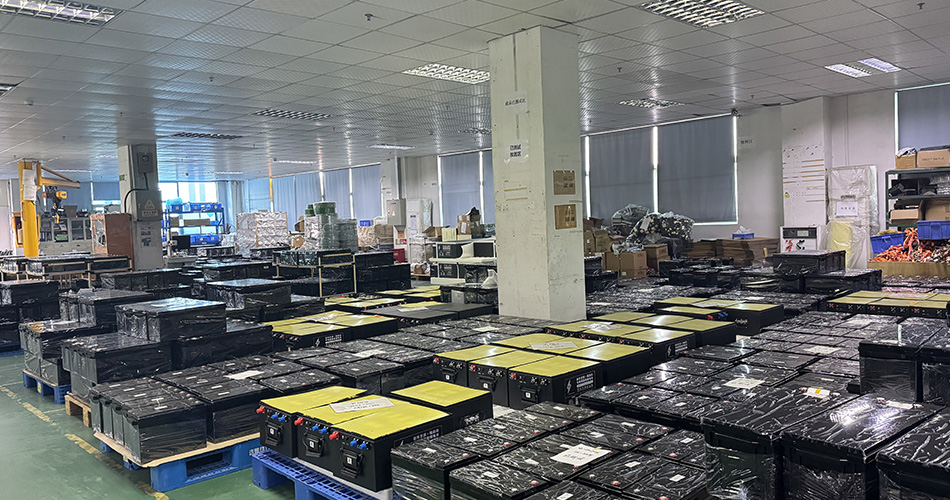
After the electrodes are prepared, they are assembled into cells. This step involves stacking or winding the electrodes with separators and then encasing them in a protective housing. This assembly forms the basic building block of a lithium-ion battery.
The next step involves filling the assembled cells with an electrolyte solution, which facilitates the movement of ions between the electrodes. Once filled, the cells are sealed to prevent any leakage.
In this stage, the cells are charged and discharged in a controlled environment to form a stable solid electrolyte interphase (SEI) on the anode. This crucial step ensures the battery's long-term performance and safety.
Quality control is a vital aspect of the battery production process. Each cell undergoes rigorous testing to ensure it meets the required standards for capacity, voltage, and safety. Only cells that pass these stringent tests proceed to the next stage.
The production of 3.2V 14500 lithium-ion batteries is a specialized process that requires precision, expertise, and advanced technology. Let's take a closer look at the operations within a factory dedicated to manufacturing these batteries.
A 3.2V 14500 lithium-ion battery factory is equipped with state-of-the-art manufacturing facilities. These facilities are designed to handle the intricate processes involved in battery production, from electrode fabrication to cell assembly and testing.
The success of any battery factory depends on its workforce. Trained technicians and engineers play a crucial role in ensuring the smooth operation of the production line. Their expertise ensures that every battery meets the highest standards of quality and performance.
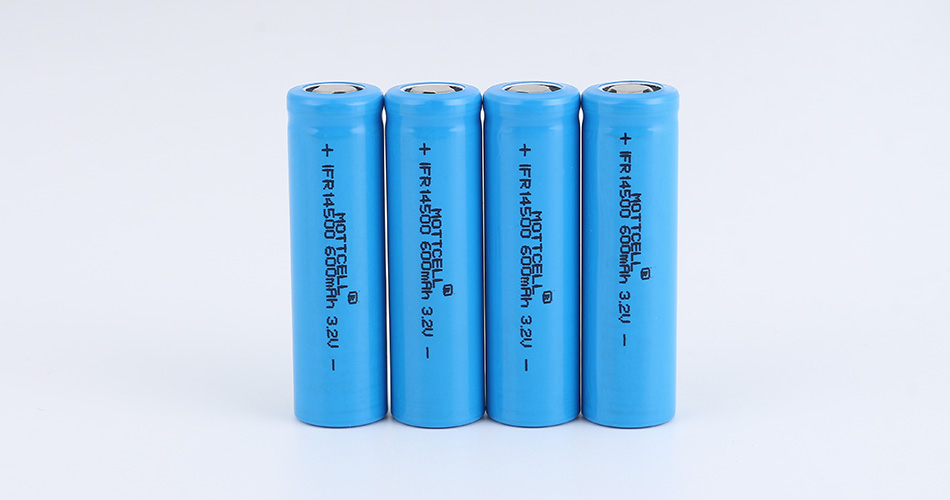
Automation is a key feature of modern battery factories. Automated machinery is used to streamline various aspects of the production process, reducing human error and increasing efficiency. Additionally, factories continually invest in research and development to innovate and improve battery technology.
Given the environmental impact of battery production, factories are increasingly adopting sustainable practices. This includes recycling used batteries, minimizing waste, and using energy-efficient processes to reduce the overall carbon footprint.
Lithium-ion cells are the building blocks of 3.2V 14500 batteries. Understanding their role and significance is crucial to appreciating the technology behind these batteries.
Lithium-ion cells are known for their high energy density, which means they can store a significant amount of energy in a compact form. This makes them ideal for applications where space and weight are critical considerations.
One of the standout features of lithium-ion cells is their longevity. They can endure numerous charge and discharge cycles without significant degradation, making them reliable power sources for various devices.
Safety is a paramount concern in battery technology. Lithium-ion cells are designed with safety features such as built-in protection circuits to prevent overcharging and overheating. This ensures not only the performance but also the safety of the devices they power.
The 3.2V 14500 lithium-ion batteries find applications in a wide range of devices due to their compact size and reliable performance. Some common uses include:
Flashlights: Their small size and high energy density make them perfect for portable lighting solutions.
Electronic Gadgets: Many gadgets, such as digital cameras and remote controls, utilize these batteries for their power needs.
Medical Devices: The reliability and safety of lithium-ion batteries make them suitable for powering medical equipment.
The world of 3.2V 14500 lithium-ion battery production is a fascinating blend of chemistry, engineering, and technology. From raw material sourcing to the final product, the journey is a testament to human ingenuity and innovation. As demand for efficient energy solutions continues to rise, the role of lithium-ion batteries and the factories that produce them will only grow in importance. Understanding the production process and the significance of lithium-ion cells helps us appreciate the technology that powers our modern lives.
Best 24V Battery Pack: ROI & Long-Term Value | Mottcell
24V Battery Pack: Industrial Power for AGV and Solar
24V Battery Pack Manufacturing: Grade A LiFePO4 Precision | Mottcell
Choosing the Best 12.8V Battery Pack: 10-Year ROI Guide | Mottcell
12.8V Battery Pack Manufacturing | 50Ah to 314Ah LiFePO4 | Mottcell
12.8V LiFePO4 Battery Performance: 50Ah-314Ah Specs | Mottcell
12.8V Battery Pack for RV, Marine & Solar | High-Capacity 314Ah | Mottcell
12V Lithium Battery Pack Guide | 100Ah, 200Ah, 280Ah to 314Ah
Established in 2005
In 2009, it was awarded the title of "National High tech Enterprise"
 zoe@mottcell.net
WhatsApp: 8617388790296
Fax: 86-0755-84042963
Skype: live:b0ebaecbb8782516
WeChat: +8613428749632

 VR show
 CN
CN Home >


